
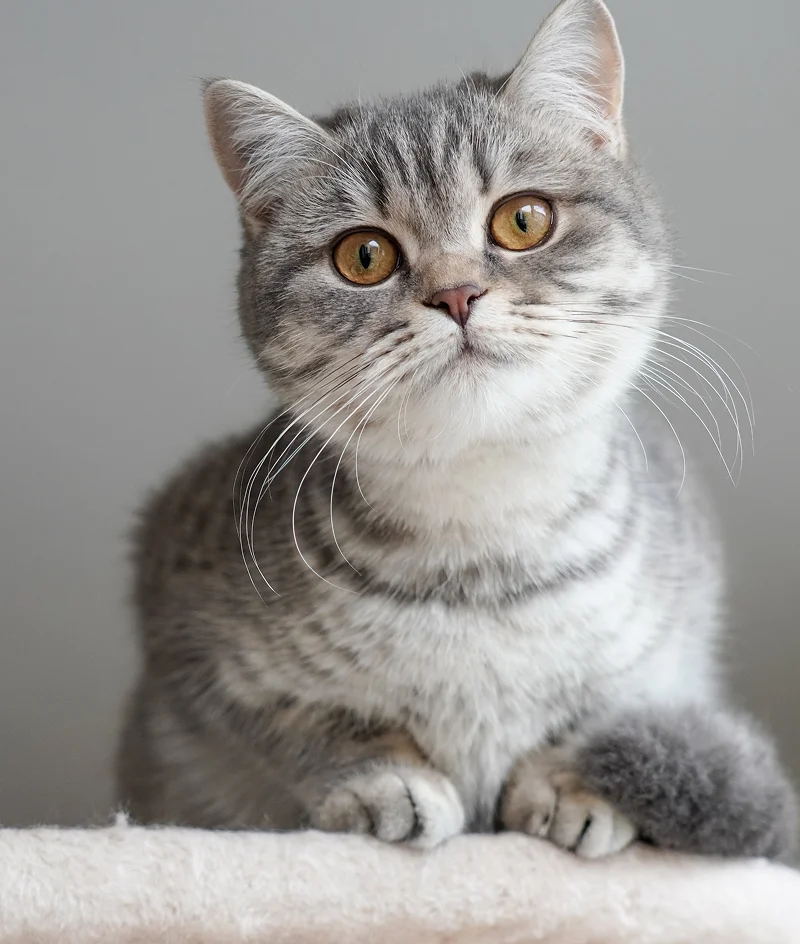
British Shorthair cat insurance at a glance
British Shorthairs each have their own unique personality. They can also be prone to certain health conditions, including Hypertrophic Cardiomyopathy, which can require specialist care and monitoring for years. From their temperament and care requirements to potential health considerations, discover what makes the British Shorthair such a treasured companion.
Quick facts


About British Shorthairs
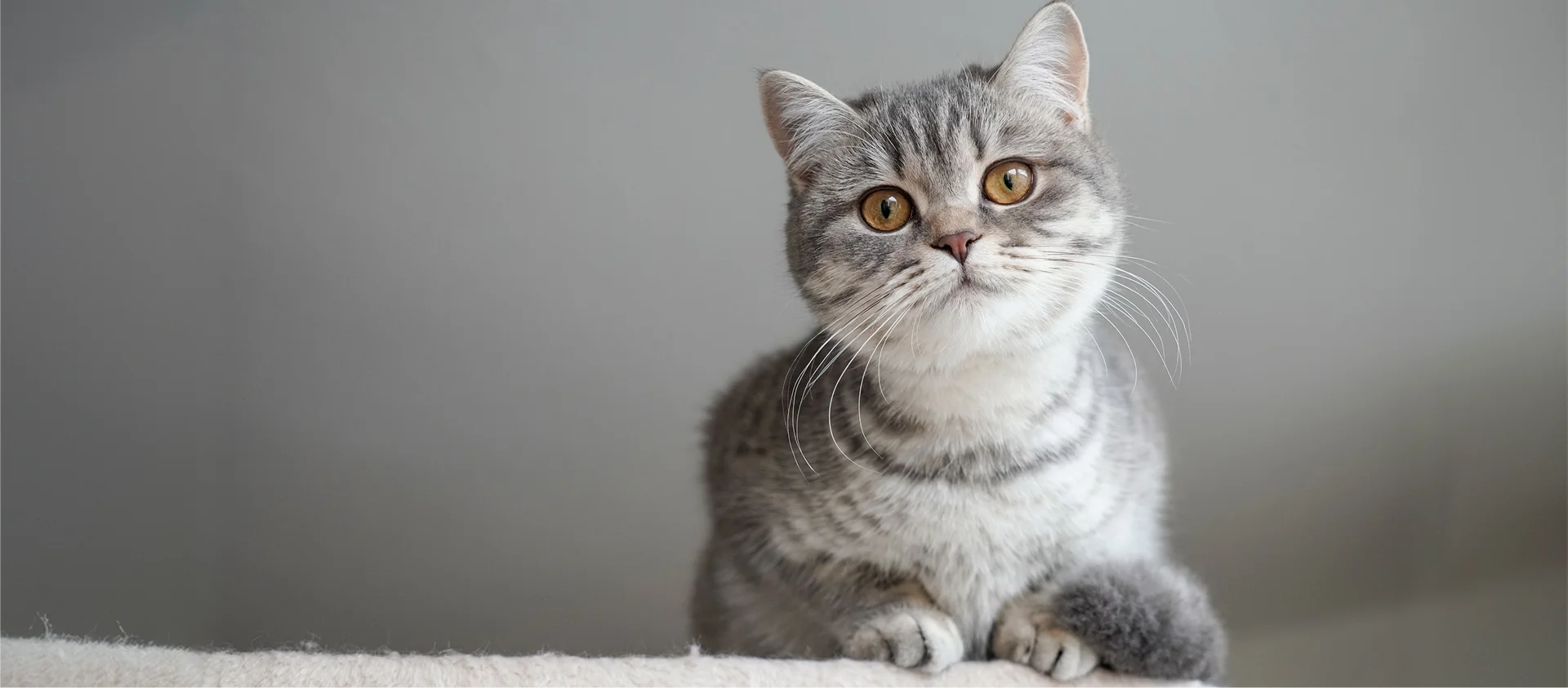
One of the oldest recognised cat breeds in the world, the British Shorthair has been a beloved companion in Britain since the 19th century. Instantly recognisable for their round face, copper eyes, and extraordinarily dense, plush coat, they carry themselves with a quiet dignity that’s entirely their own. Some are more affectionate than others, but most aren’t overly demanding — they’re happy simply being nearby.
Temperament
Temperament
Varies – often calm, loyal, and quietly affectionate. British Shorthairs aren’t particularly vocal or clingy, but they can form deep bonds with their families and are happiest when they can be near their people.

Exercise needs
Exercise needs
Low to moderate. British Shorthairs are not highly active cats, which makes weight management particularly important. Their tendency toward a sedentary lifestyle, combined with their stocky build, means obesity is a genuine health risk. Short, regular play sessions throughout the day help keep them mentally stimulated and physically fit.
Grooming
Grooming
Relatively low maintenance despite their exceptionally dense coat. A weekly brush is usually enough to keep shedding under control, though more frequent grooming during seasonal coat changes in spring and autumn is recommended. Their short, crisp coat doesn’t tangle easily, making grooming sessions quick and fuss-free.

Living with you
Living with you
British Shorthairs appreciate comfortable spaces and tend to be creatures of habit. An environment with dedicated areas to rest, play, scratch and toilet can help them feel safe and settled.
Common British Shorthair health conditions
British Shorthairs are generally healthy and resilient, but their genetics make them prone to a few conditions that can mean significant ongoing veterinary costs. Select a condition below to learn more.
The most significant hereditary health concern in British Shorthairs. HCM causes the heart muscle to thicken abnormally, requiring lifelong management.
Their laid-back temperament and tendency to be indoor-only makes the British Shorthair particularly prone to weight gain, increasing cardiac and joint strain.
Periodontal disease is common across all cat breeds, and British Shorthairs are no exception. Regular dental checks and at-home care are essential.
An uncommon hereditary blood clotting disorder that occurs in some British Shorthair lines, causing excessive bleeding following injury or surgery.
As they age, British Shorthairs can develop arthritis, particularly in larger, heavier cats. Signs include reluctance to jump and changes in grooming habits.
A quick tip

British Shorthairs can be prone to weight gain, so encourage regular play and feed a balanced diet with appropriate portion sizes. Maintaining a healthy weight can help support their long-term health and mobility.
Why pet parents choose RSPCA Pet Insurance

Your premium helps support animals in need

Customise your cover to suit your British Shorthair and budget

Annual cover options up to $35,000

Zero excess option


Protection with purpose
Did you know: every RSPCA Pet Insurance policy contributes to vital RSPCA animal welfare initiatives. Protect your British Shorthair and support animals in need across Australia.
Frequently asked questions
Very much so. British Shorthairs are prone to lifelong conditions like Hypertrophic Cardiomyopathy (HCM), which may require regular monitoring, specialist consultations, and ongoing cardiac medication. The cumulative cost of managing these conditions over a 7 to 12-year lifespan makes insurance a genuinely smart investment.
Our policies cover illnesses that develop after your policy begins, including hereditary conditions, subject to the terms and conditions in our Product Disclosure Statement (PDS). Pre-existing conditions are excluded, which is why insuring your British Shorthair as a kitten gives you the most comprehensive protection.
British Shorthairs typically live between 7 and 12 years. Many live even longer with good care. Over that lifetime, the likelihood of at least one significant health event is high, making pet insurance a worthwhile investment from the start.
Yes! If you insure more than one pet with RSPCA Pet Insurance, you’ll enjoy a 10% discount on all subsequent pets, helping you keep all your pets protected without stretching your budget.
