
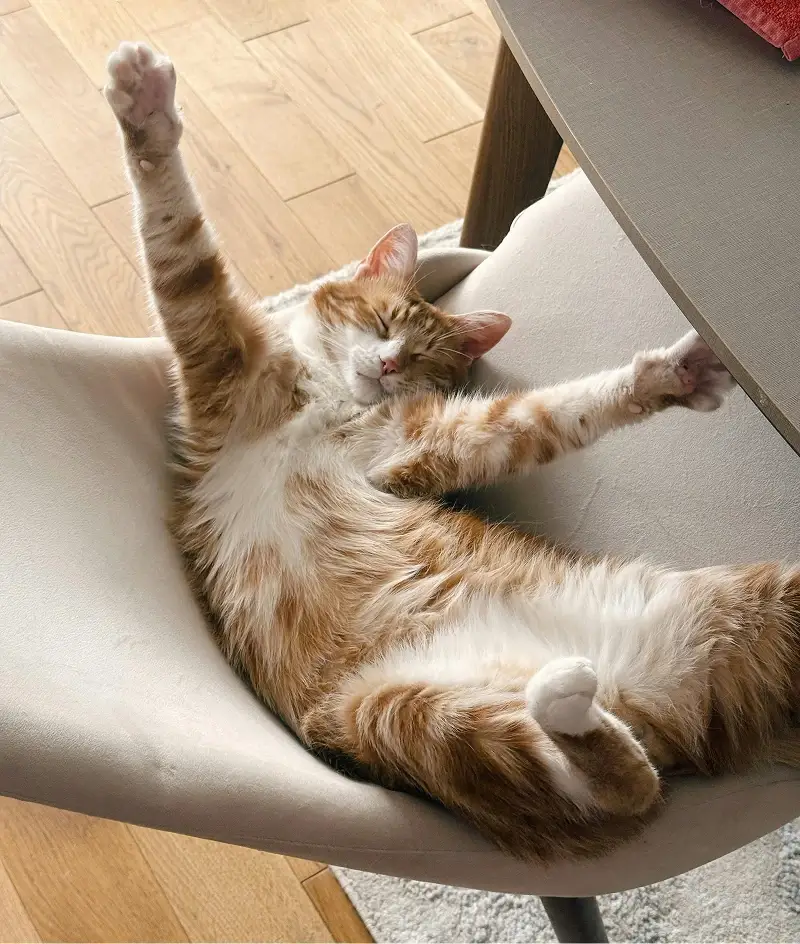
Domestic Medium Hair cat insurance at a glance
Domestic Medium Hairs may lack the hereditary risks of purebreds, but urinary emergencies, dental disease, and chronic kidney disease are all common feline conditions that can mean significant vet costs. Discover the essentials of owning a Domestic Medium Hair, including grooming, exercise, and health considerations.
Quick facts


About Domestic Medium Hairs
Like their shorthaired counterparts, Domestic Medium Hair cats aren’t a defined breed. They’re a wonderfully diverse mix of genetics that makes each one genuinely unique. What sets them apart is their lustrous, medium-length coat, which adds a touch of glamour alongside a slightly more involved grooming routine. They’re a popular choice for a wide range of owners.
Temperament
Temperament
Highly individual. Some Domestic Medium Hairs seek out a lot of human interaction and love spending time lounging on their humans’ laps, while others may seek companionship on their own terms and may enjoy time to themselves, depending on their unique genetic background and early socialisation. This variability is part of their appeal.

Exercise needs
Exercise needs
Varies. Many are curious and playful, with a natural love of exploring, climbing, and interactive toys. Creating an environment that meets your cat’s mental and physical needs is vital, especially for cats without outdoor access. Puzzle feeders, cat trees, and regular play sessions keep them physically and mentally active and help keep them happy at home.
Grooming
Grooming
Their medium-length coat benefits from brushing two to three times a week to prevent matting, particularly behind the ears, under the arms, and around the collar area. Regular grooming also gives you the opportunity to check for any lumps, parasites, or skin changes.

Living with you
Living with you
Many Domestic Medium Hairs can adapt to a variety of living situations. Their mixed heritage means they’re often resilient and easy-going. They can also be comfortable in a range of environments, including apartments and larger homes, provided their home meets their physical and mental needs. Their individual personalities and preferences vary considerably, but many do well with families, other cats, and gentle dogs.
Common Domestic Medium Hair health conditions
Domestic Medium Hairs share the same common feline health risks as Domestic Shorthairs, with the added consideration of their longer coat. Select a condition below to learn more.
The most common health issue in cats. Most cats suffer from some degree of dental or periodontal disease as they age. Prevention, regular check-ups, and treatment is vital as dental disease can be painful, negatively impact health, and decrease wellbeing.
Being overweight contributes to several health problems, including diabetes, joint problems, and heart disease. Prevention is key so it’s important to ensure that your Domestic Medium Hair has a healthy diet and opportunity to play and exercise.
Their longer coat means Domestic Medium Hairs may ingest more fur during grooming, which may contribute to the development of hairballs and even hairball blockages, particularly without regular brushing.
Feline lower urinary tract disease is common in cats across all types and, in some cats, can escalate to a life-threatening urinary tract blockage, especially in males.
Common in older cats, this hormonal condition causes weight loss despite normal or increased food intake or hyperactivity.
A leading cause of illness and death in older cats. Regular senior blood panels help detect kidney disease before symptoms become severe, which helps to ensure that appropriate management is started early.
A quick tip

Regular brushing is an important part of caring for a Domestic Medium Hair. It reduces hairball risks, keeps the coat free of mats, and gives you the opportunity to check for lumps, bumps, or any other skin changes.
Why pet parents choose RSPCA Pet Insurance

Your premium helps support animals in need

Customise your cover to suit your cat and budget

Annual cover options up to $35,000

Zero excess option


Protection with purpose
Did you know: every RSPCA Pet Insurance policy contributes to vital RSPCA animal welfare initiatives. Protect your Domestic Medium Hair and support animals in need across Australia.
Frequently asked questions
Yes. Even though Domestic Medium Hair cats are often resilient, unexpected vet costs can arise at any stage of life. Urinary emergencies, dental procedures, and managing chronic conditions like kidney disease in later years are all scenarios where insurance can provide real financial relief. For a quick, commitment-free quote from RSPCA Pet Insurance, click here.
The earlier the better. Insuring your cat as a kitten or young adult means any conditions that develop after your policy starts won’t be excluded and labelled as ‘pre-existing’.
Premiums depend on your cat’s age, location, and the level of cover you choose. To see how much cover could cost with RSPCA Pet Insurance, click here.
Yes! If you insure more than one pet with RSPCA Pet Insurance, you’ll enjoy a 10% discount on all subsequent pets, helping you keep all your pets protected without stretching your budget.
