
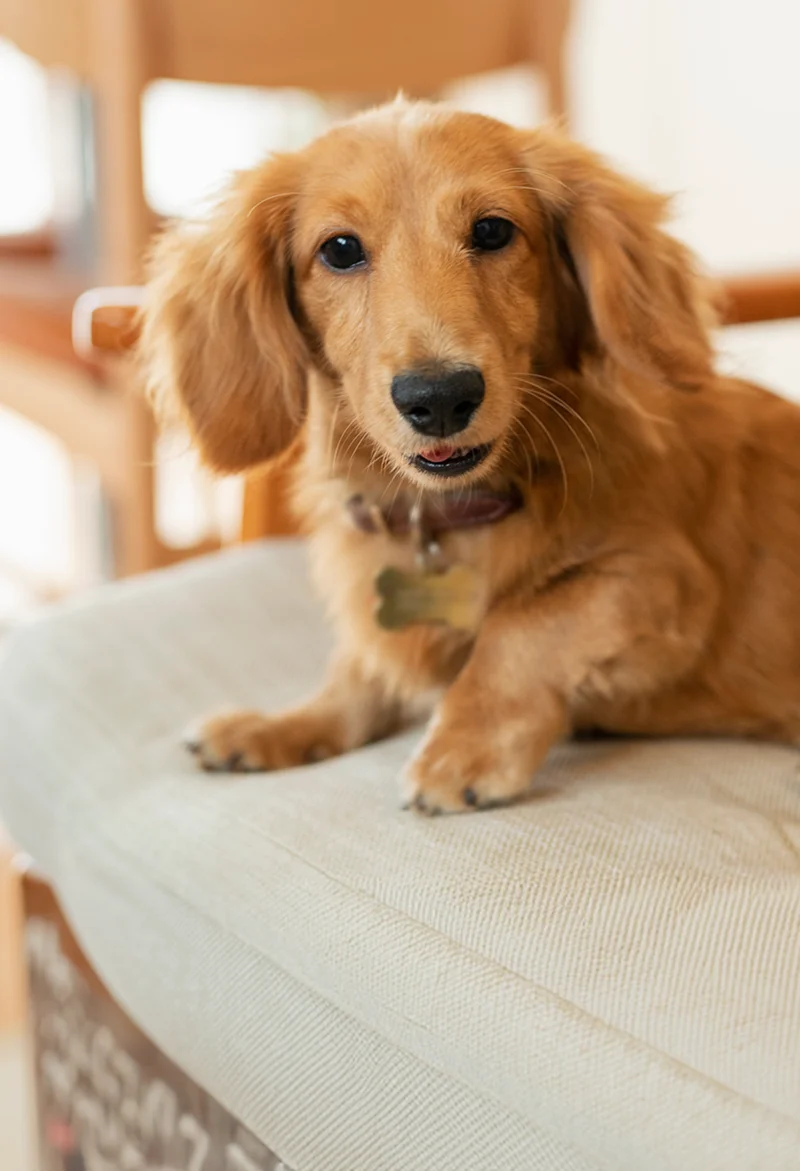
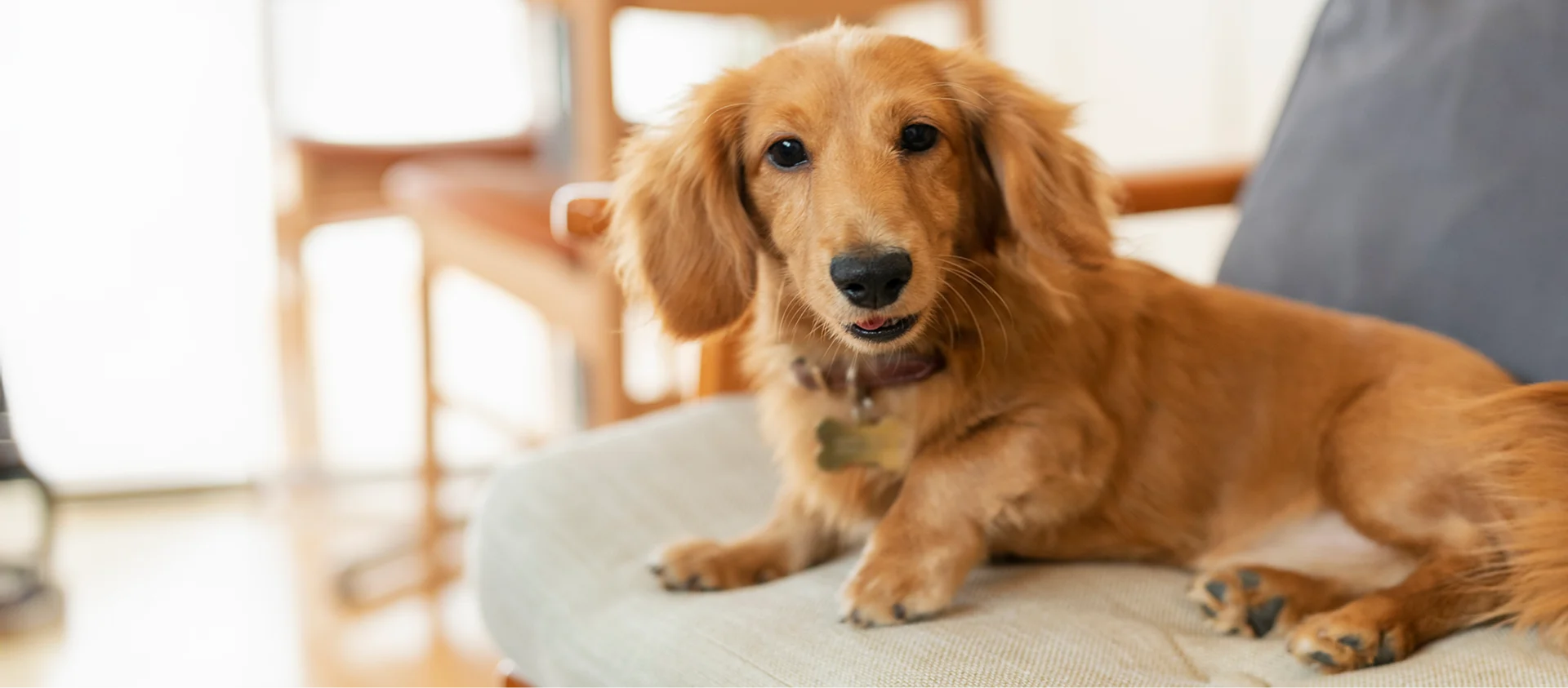
Miniature Dachshund pet insurance at a glance
Up to 25% of Dachshunds will experience intervertebral disc disease (IVDD) in their lifetime, requiring emergency treatment. And when it happens, it can happen fast. Explore what health conditions Dachshunds are prone to, what care and surgery can cost, and how RSPCA Pet Insurance can support you and your pup.
Quick facts


About Miniature Dachshunds
Don’t let the small frame fool you: this is a dog with a very strong personality and an independent streak which can make training an exercise in patience.

Temperament
Temperament
Spirited, tenacious, and fiercely loyal. Dachshunds have the confidence of a much larger dog and form intensely close bonds with their primary person. They can be stubborn and selective about strangers, and some are prone to barking, though early socialisation and positive reinforcement-based training helps considerably. Their loyalty makes them wonderful companions, while their stubbornness makes consistent training from puppyhood essential.

Exercise needs
Exercise needs
Moderate. Two short to medium walks daily suits them well — enough to keep them mentally stimulated and physically fit without putting unnecessary strain on their spine. Avoid activities that involve jumping, rough play, or navigating stairs frequently. Ramps for furniture and car access are strongly recommended, as repeated impact on the spine from jumping is one of the key risk factors for intervertebral disc disease (IVDD).

Living with you
Living with you
The temperament of Dachshunds can vary greatly, but it’s important to invest time in consistent positive reinforcement-based training from a young age. Without good socialisation and training, Dachshunds can become aggressive and develop behavioural issues like barking and destructive behaviours.

Play and enrichment
Play and enrichment
Bred to follow scents, Dachshunds, like all dogs, should always be on lead near roads and are rarely reliable off-lead in open areas. Puzzle toys, scent games, and nose work are excellent ways to channel their instincts constructively and keep them mentally satisfied.
Common Dachshund health conditions
Miniature Dachshunds have one of the most breed-specific risk profiles of any dog, dominated by a spinal condition that can strike suddenly, even in young and otherwise seemingly healthy dogs. Select a condition below to learn more.
The defining health concern of the breed. That distinctive long spine puts Dachshunds at very high risk of disc herniation, causing pain, paralysis, or both.
Extra weight dramatically increases the load on their already-stressed spine. Weight management is critical for every Dachshund.
Slipping kneecaps are common in small breeds and can cause pain and lameness. Mild cases are managed conservatively, while severe cases may need surgery.
Hereditary vision loss occurs in Dachshunds, more commonly in miniatures than standards. Genetic testing can identify carriers.
Hyperadrenocorticism is seen more frequently in Dachshunds than in many other breeds, causing weight gain, increased thirst, and hair loss.
Small mouths and crowded teeth make dental disease nearly inevitable without regular dental care and annual professional cleans.
A quick tip

Dachshund owners should invest in ramps rather than stairs for furniture access and avoid activities involving jumping or twisting. IVDD can strike with little warning, often in young and otherwise seemingly healthy dogs.
Why pet parents choose RSPCA Pet Insurance

Your premium helps support animals in need

Customise your cover to suit your Dachshund and budget

Annual cover options up to $35,000

Zero excess option


Protection with purpose
Did you know: every RSPCA Pet Insurance policy contributes to vital RSPCA animal welfare initiatives. Protect your Dachshund and support animals in need across Australia.
Frequently asked questions
Absolutely. If you choose to add a Dachshund to your family, it’s important to bear in mind that 25% of Dachshunds will experience intervertebral disc disease (IVDD) in their lifetime, requiring emergency treatment. For this reason, pet insurance is strongly recommended. Emergency spinal surgery can cost $5,000 to $10,000, and post-operative rehabilitation adds further costs.
Our policies cover illnesses, including spinal conditions like IVDD, subject to the terms and conditions in our Product Disclosure Statement (PDS). Conditions that arise after your policy begins (and aren’t pre-existing) can be claimed for. Given how suddenly IVDD can strike, this is one of the most important reasons to insure your Dachshund early.
You can insure your Dachshund from puppyhood, and we strongly recommend doing so. Intervertebral disc disease (IVDD) can occur in dogs as young as two or three years old. Insuring them early means any spinal episodes that develop later in life will be covered, rather than being classified as pre-existing.
Yes! If you insure more than one pet with RSPCA Pet Insurance, you’ll enjoy a 10% discount on all subsequent pets, helping you keep all your pets protected without stretching your budget.
