
Media release

What happens when a vet knows exactly what treatment an animal needs, but the owner simply can’t afford it?
RSPCA research reveals more than 6 in 10 Australian pet owners (60.5%) are not at all or only somewhat confident they could cover a major unexpected veterinary bill, such as emergency care, surgery or ongoing treatment. ¹
Veterinary leaders warn this financial pressure is taking a toll not only on pet owners, but on vets themselves, contributing to emotional strain, compassion fatigue and burnout in a profession facing its eighth consecutive year of workforce shortages. For already stretched veterinary teams, the pressure intensifies when the treatment an animal needs is available, but cost prevents an owner from proceeding.⁴
The financial concern is already front of mind for many Australians, with 47.2% of pet owners saying unexpected vet bills are one of their biggest worries about owning a pet, while 51.3% are most concerned about their pet becoming seriously sick or injured.1 Yet despite these concerns, 76% of dog owners and 86% of cat owners remain uninsured, leaving most households exposed when those costs arise.²

47.2%
of pet owners say unexpected vet bills are one of their biggest concerns about owning a pet

51.3%
are most concerned about their pet becoming seriously sick or injured

76%
of dog owners have no pet insurance

86%
of cat owners have no pet insurance
Easing the pressure on vets starts with looking at the whole system
Dr Liz Walker, CEO of RSPCA Victoria, says easing pressure on the veterinary sector will require solutions that improve both access to care and the sustainability of the workforce. She says that includes making better use of veterinary nurses and paraprofessionals, creating clearer career pathways, expanding accessible models of care such as telehealth and strengthening preventative care before health problems become more serious.
Dr Walker also believes greater financial preparedness needs to form part of the solution, particularly for Australians who may struggle to meet unexpected veterinary costs. “We need to look at the whole system, from how veterinary care is delivered and how we support the people working in the profession, through to how owners prepare for the cost of caring for their pets. Prevention, more accessible models of care and greater use of pet insurance can all play a role.”
She has also called for consideration of ways pet insurance could be made more accessible to vulnerable and elderly Australians through existing funding structures such as NDIS and Aged Care Packages.


Vet bills can climb fast, and being prepared makes all the difference
RSPCA Pet Insurance CEO Brad Smith says greater financial preparedness among pet owners could help reduce one of the pressures veterinary teams face every day. “People know their pet could become sick or injured and they’re worried about the cost, but many remain uninsured. Veterinary bills can escalate very quickly. We’ve seen bite related claims reach $15,000, with additional follow up treatment and medication costs on top, while ingestion related claims can reach around $13,000. Those are significant, often unexpected expenses for any household to absorb.” ³
Smith says Australia’s relatively low uptake of pet insurance points to a broader need to change how people think about planning for the lifetime cost of a pet.
“The solution is partly about making financial preparedness a normal part of responsible pet ownership. We plan for food, vaccinations and preventative care, but we also need to plan for the possibility of an accident or serious illness. The more financially prepared owners are, the less likely vets are to find themselves in the heartbreaking position where the right treatment is available but cannot proceed because of cost.”
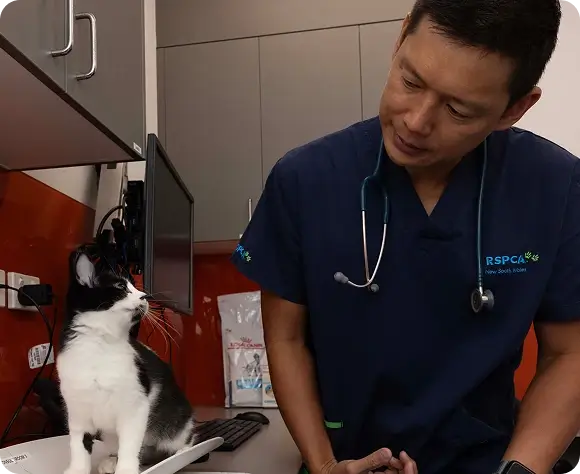
The emotional toll of treatment decisions driven by cost
Dr Melissa Meehan, Director of Veterinary Services at RSPCA Victoria, says the pressure on veterinary professionals extends well beyond workload, with remuneration, working conditions and the emotional burden of difficult clinical decisions contributing to talented people leaving the profession.
For vets, one of the hardest situations is knowing an animal can be treated but having to change or limit that treatment because an owner cannot afford to proceed. “Veterinarians come into this profession because they want to help animals. When you know there is a treatment available but financial constraints determine whether that treatment can go ahead, it creates enormous pressure for both the owner and the veterinary team.”
Dr Meehan says repeatedly facing those situations can contribute to compassion fatigue and moral trauma, adding to burnout and making it harder for the profession to retain experienced veterinary professionals.
“If we want to retain talented vets, we have to address the pressures that are driving them away, including remuneration and working conditions, but also the emotional toll of constantly having to balance what an animal needs against what an owner can afford.”
About RSPCA Pet Insurance
RSPCA Pet Insurance is a purpose-driven strategic partnership between RSPCA Australia and Pacific International Insurance, combining more than 150 years of animal welfare expertise with customisable pet insurance designed to support pets and their owners. Premiums help fund RSPCA initiatives including rescue, rehabilitation, rehoming, education and animal welfare programs nationwide. The insurer has also launched Direct2Vet, a free payment solution for veterinary clinics that streamlines claims processing and helps reduce upfront costs for pet owners at the point of care. For more information visit rspcapetinsurance.org.au.
Note to editors: Please attribute this statement to RSPCA Pet Insurance, not the RSPCA. RSPCA Pet Insurance and the RSPCA are separate organisations. RSPCA Pet Insurance is a corporate authorised representative of Pacific International Insurance in partnership with RSPCA Australia, which holds a share in the business.
Media contacts:
Leandri Smith | Evolab | leandri@evolab.com.au | 0433 900 356
Azelle Evans | Evolab | azelle@evolab.com.au | 0451 710 095
References:
- The RSPCA polling was conducted by McCrindle Research in 2026. A nationally representative 1,014 Australians were surveyed.
