
Media release


Vet profession crisis putting increasing pressure on pet owners’ access to timely, affordable veterinary care
SYDNEY, 10 September 2026:
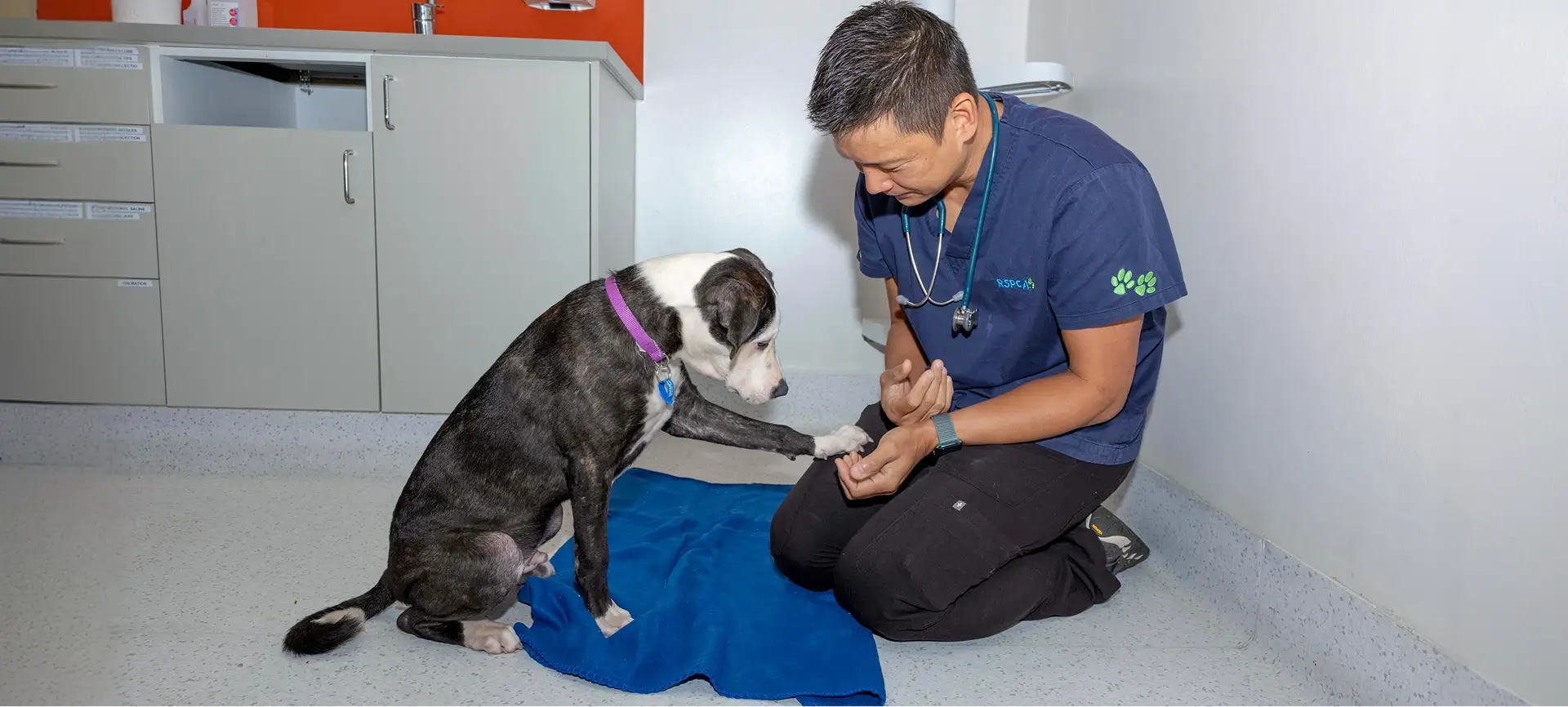
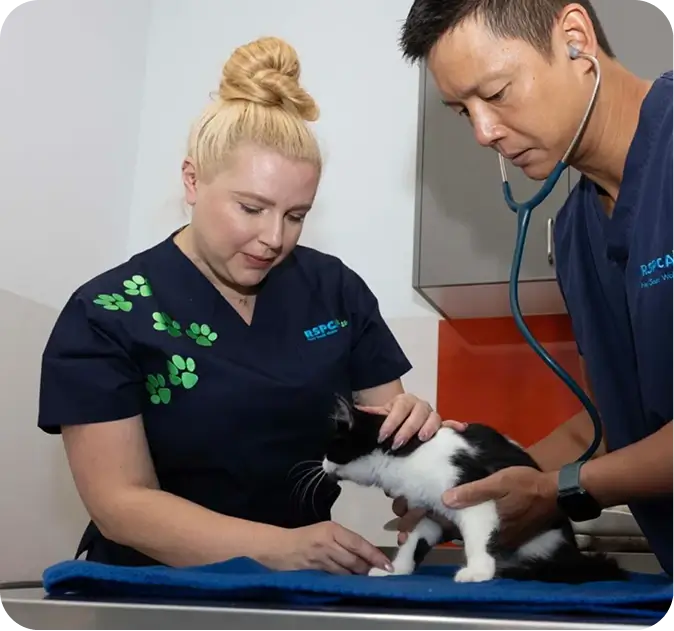
Australia’s veterinary profession is facing a critical sustainability challenge, with veterinary leaders warning that rising treatment costs and growing financial pressure on pet owners are adding to burnout, emotional strain and workforce challenges across the veterinary profession.
The concern comes as the Australian Veterinary Association reports that Australia is now experiencing its eighth consecutive year of veterinary workforce shortage, with more than one-third of veterinary vacancies taking 12 months or longer to fill. ¹


The veterinary profession is under strain, here's why
Veterinarian & media spokesperson, Dr Katrina Warren led a discussion at The VET Expo in Sydney, where leaders across the veterinary and animal welfare sectors spoke openly about the pressures facing the profession and the changes needed to address them. “Low remuneration, workforce pressures, rising client expectations, burnout and work-life balance challenges are all contributing to talented veterinarians leaving the profession,” Dr Warren said.
Dr Liz Walker, CEO of RSPCA Victoria, highlighted that improving access to veterinary care will require action across the profession, government, education sectors and pet owners. “We have to look at how we deliver care so the community can be assured of accessible, quality veterinary care that is also sustainable. That means looking at things like greater professionalisation of veterinary nurses and paraprofessionals, clearer career pathways and more accessible models of care, including telehealth.”
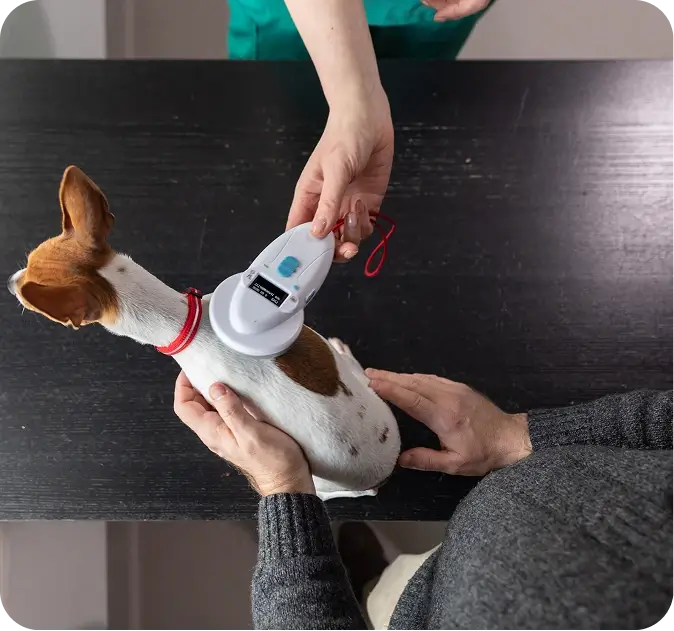
She said the RSPCA is also focused on prevention and community-based support, including vaccination, desexing, microchipping, education and low or no-cost services. “Helping people get the basics right in the first instance can make a real difference.”
She stressed that there is an urgent need to consider how vulnerable Australians can be better supported to care for their animals. “For some people, their animal is their world. Government, regulators, universities and TAFEs have an important role to play in supporting new models of care, appropriate regulation and the training and professional development needed to grow the veterinary workforce.”
Dr Walker also said that support should also extend to helping vulnerable people manage the cost of veterinary care. “I would love to see a world where pet insurance could be available to vulnerable people through existing funding structures such as NDIS and Aged Care Packages,” she says.
Why better pet insurance means better care for everyone
Dr Melissa Meehan, Director of Veterinary Services at RSPCA Victoria, said advances in veterinary medicine have created more treatment options than ever before, but the cost of delivering that care can place significant pressure on both pet owners and veterinary teams. “Veterinary care is expensive to run. Without a government healthcare subsidy like Medicare, profit margins are capped by client financial limits and societal views on pet value. For example, veterinary cataract surgery requires more infrastructure, staff, and follow-up than human cataract surgery, yet it is charged at up to 40% less to remain affordable. These smaller profit margins result in lower staff wages and poor working conditions.”
“Pet insurance definitely removes this external economic dependency, enabling veterinary practices to charge sustainable rates and support their teams equitably,” she adds.
Dr Meehan feels veterinarians are often placed in the difficult position of knowing an animal can be treated, while also knowing the recommended care may be beyond an owner’s financial reach. “That can contribute to compassion fatigue, moral trauma and ultimately burnout. We trained to help animals and when cost becomes the deciding factor in whether treatment can go ahead, it places enormous pressure on both the owner and the veterinary team.”
Preparing owners now, before the diagnosis comes later
According to RSPCA Pet Insurance CEO Brad Smith, pet insurance is not a standalone solution to workforce shortages or burnout but can form an important part of a broader approach to reducing financial barriers to veterinary care.
He said that pressure is particularly significant in Australia, where most pets remain uninsured. Recent national pet ownership research found 76% of dog owners and 86% of cat owners do not have pet insurance, leaving many households exposed to potentially thousands of dollars in unexpected veterinary costs. ²
“When more pet owners are financially prepared for unexpected veterinary costs, practices are less likely to face situations where the appropriate clinical recommendation cannot proceed simply because of affordability.”
Claims data also illustrates how quickly those costs can escalate, ranging from emergency surgery after pets swallow foreign objects to years of treatment for chronic conditions such as epilepsy, kidney disease and pancreatitis.
“The emergency cases get attention, but it is often a lifelong disease that families underestimate,” Smith said. “The bigger issue is helping people understand the financial reality of owning a pet before they are confronted with a major diagnosis or emergency.”
From the concerns highlighted, improving access to veterinary care will require action on several fronts.
Smith concluded saying the focus now needs to be on practical solutions. “There is no single fix, but pet insurance can play a vital role in helping owners prepare for unexpected veterinary costs and giving vets more freedom to focus on the care and animal needs. Alongside better support for veterinary teams and more accessible models of care, that can help create a more sustainable future for the profession.”
About RSPCA Pet Insurance
RSPCA Pet Insurance is a purpose-driven strategic partnership between RSPCA Australia and Pacific International Insurance, designed to protect and improve the wellbeing of pets while also helping contribute funding to RSPCA animal welfare initiatives nationwide. With over 150 years of RSPCA expertise in animal care, advocacy, and veterinary knowledge, our customisable product offers transparent, flexible coverage that can be tailored to pet owners’ needs and budgets, with premiums helping support RSPCA initiatives such as rescue, rehabilitation, rehoming, education, and law enforcement efforts for animals in need. Guided by a vision of a world where pets can live well and be well, RSPCA Pet Insurance combines empathy, expertise, and innovation to help make pet insurance accessible and impactful. For more information, visit rspcapetinsurance.org.au
Note to editors: Please attribute this statement to RSPCA Pet Insurance, not the RSPCA. RSPCA Pet Insurance and the RSPCA are separate organisations. RSPCA Pet Insurance is a corporate authorised representative of Pacific International Insurance in partnership with RSPCA Australia, which holds a share in the business.
Disclaimer
RSPCA Pet insurance is issued, arranged and administered by Pacific International Insurance Pty Ltd ‘Pacific’ (ABN 83 169 311 193 | AFS Licence No. 523921). This product is promoted and distributed through Pacific’s authorised representative RSPCA Pet Insurance Pty Ltd (ABN 26 685 406 973 | AR 1318294).
Media contacts:
Leandri Smith | Evolab | leandri@evolab.com.au | 0433 900 356
Azelle Evans | Evolab | azelle@evolab.com.au | 0451 710 095
References:
- Australian Veterinary Association. New AVA white paper: A roadmap for a sustainable veterinary workforce. 2026 https://www.ava.com.au/advocacy/new-ava-white-paper-a-roadmap-for-a-sustainable-veterinary-workforce/
- Animal Medicines Australia – Pets in Australia: A national survey of pets and people 2025 https://animalmedicinesaustralia.org.au/resources/pets-in-australia-a-national-survey-of-pets-and-people-3/
