Media release

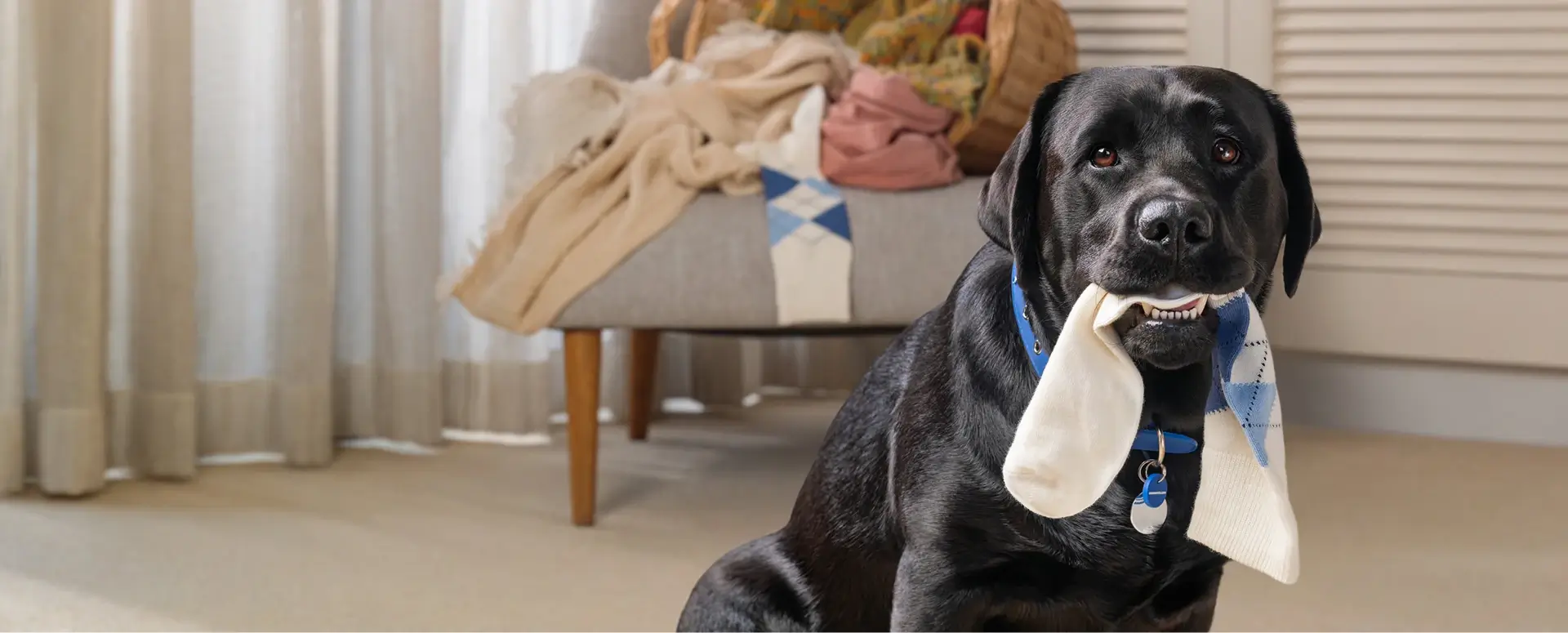
Accidental ingestion is one of the most common pet insurance claim categories in Australia, according to RSPCA Pet Insurance, resulting in some of the highest and most expensive vet claims paid out. ¹
The everyday items putting pets at risk
The latest claims data reveals Australian pets are swallowing an astonishing range of foreign objects and toxic substances from baby nappies, hearing aids, soft contact lenses, batteries, human medication, fishing hooks and even pieces of concrete. ¹
Some objects that pets have been seen to swallow
- Baby nappies
- Hearing aids
- Fishing hooks
- Batteries
- Human medication
- Soft contact lenses
- Pieces of concrete

What the claims data reveals
In one claim, a Labrador swallowed an entire dish cloth without chewing. In another, a Golden Retriever chewed up an aluminium can and a pair of reading glasses. Other cases included a French Bulldog that swallowed a scrunchie, a Goldendoodle that ingested a nappy, a Miniature Dachshund that needed emergency vomiting triggered after chewing a baby’s dummy, and an English Staffordshire Bull Terrier that got into used sanitary pads from the bin, leaving the vet concerned they could expand internally.¹
Brad Smith, CEO of RSPCA Pet Insurance, says ingestion-related claims can escalate quickly. “We regularly see claims involving emergency surgery, overnight hospitalisation, scans and intensive treatment, with some claims reaching up to $13,500. Many pet owners are shocked by how quickly a curious pet can swallow something dangerous and how rapidly those costs can escalate.” ¹
Everyday dangers hiding in plain sight
TV veterinarian, Dr Katrina Warren says many common household items can become serious hazards for pets, particularly for breeds known for scavenging or chewing behaviour. “Some dogs are naturally more opportunistic than others, especially breeds like Labradors, Golden Retrievers, Beagles and Staffies that are well known for eating almost anything they can get hold of. I know of pets swallowing everything from corn cobs and lego, to golf balls and diamond earrings. These sound funny at first, but they can become life-threatening very quickly.”
According to Smith, poisoning-related claims are also commonly seen in this category and can quickly become very serious for pets. Dogs and cats often ingest toxic household items or human foods without owners realising the danger until symptoms begin to appear. In many cases, these incidents can lead to severe complications including internal damage, seizures, organ failure, or the need for emergency surgery and intensive veterinary treatment.
Dr Warren warns that many common items found in Australian homes are things pet owners may never suspect are dangerous. “Corn cobs are one of the biggest culprits because of their size and shape, they can become lodged in the stomach or intestines and can cause a life-threatening blockage that may require emergency surgery. Even small amounts of xylitol, an artificial sweetener often found in sugar free mints, can be extremely toxic to dogs, as can grapes and raisins. For cats, true lilies can be fatal, with even small amounts of pollen linked to sudden kidney failure.”
Simple ways to pet-proof your home
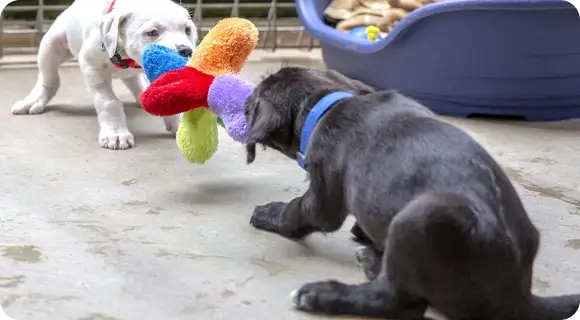
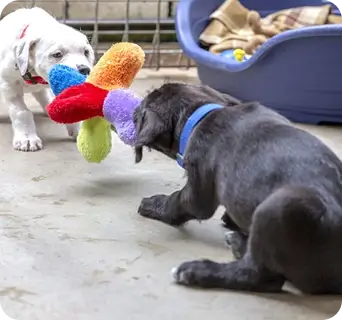
Dr Warren says prevention is key and starts with properly “pet proofing” the home, particularly in homes with curious puppies exploring their surroundings. “Keep laundry, batteries, children’s toys, medications and rubbish bins securely out of reach. Avoid leaving bags, lunchboxes or food unattended and supervise pets around toys, as damaged toys, squeakers and loose stuffing can pose a serious choking or intestinal blockage risk.”
“Many pets are incredibly resourceful and can get up to all kinds of mischief, from opening cupboard doors to finding ways to reach items left on countertops. It’s important to think beyond what is simply at your pet’s eye level and consider anything they may be able to access if they are curious enough,” she says.
When to seek vet care
Smith concludes these claims are a very real reminder that pet emergencies often come without warning. “The cost of scans, surgery, emergency care and overnight hospitalisation can quickly run into the thousands, which is where pet insurance can make a meaningful difference by helping families make decisions based on the care their pet needs rather than severe financial pressure.”
Dr Warren urges pet owners to trust their instincts when something is not quite right and to contact a veterinarian immediately if they suspect their pet may have ingested something dangerous, rather than waiting for more symptoms to appear. “The sooner a pet receives treatment, the better the outcome is likely to be,” she concludes.
About RSPCA Pet Insurance
RSPCA Pet Insurance is a purpose-driven strategic partnership between RSPCA Australia and Pacific International Insurance, designed to protect and improve the wellbeing of pets while also helping contribute funding to RSPCA animal welfare initiatives nationwide. With over 150 years of RSPCA expertise in animal care, advocacy, and veterinary knowledge, our customisable product offers transparent, flexible coverage that can be tailored to pet owners’ needs and budgets, with premiums helping support RSPCA initiatives such as rescue, rehabilitation, rehoming, education, and law enforcement efforts for animals in need. Guided by a vision of a world where pets can live well and be well, RSPCA Pet Insurance combines empathy, expertise, and innovation to help make pet insurance accessible and impactful. For more information, visit rspcapetinsurance.org.au
Media contacts:
Leandri Smith | Evolab | leandri@evolab.com.au | 0433 900 356
Azelle Evans | Evolab | azelle@evolab.com.au | 0451 710 095
References:
- Claims insights are based on aggregated Australian pet insurance claims data from Pacific International Insurance, underwriting partner of RSPCA Pet Insurance, analysed between 2022 and 2026.
