
Media release

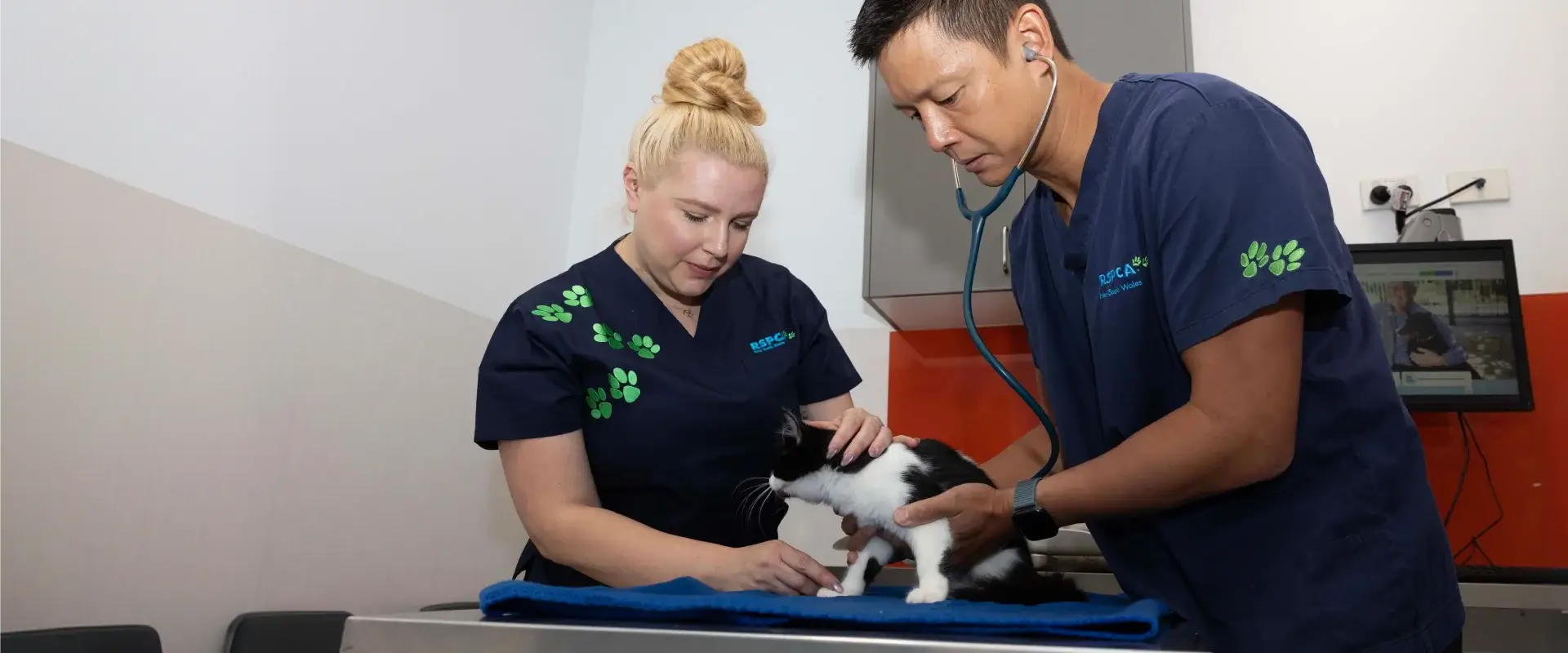
With the highly pathogenic H5N1 avian influenza (bird flu) detected across Western Australia, South Australia, New South Wales, and Queensland, pet parents are advised to keep a closer eye on their pets.
What pet parents need to know
RSPCA Pet Insurance CEO Brad Smith says that while it is highly unlikely that pets will be affected, the possibility is nonetheless there. “And as with any affliction, the earlier any illness or issue is identified, the better the potential outcome,” he points out.
What is bird flu?
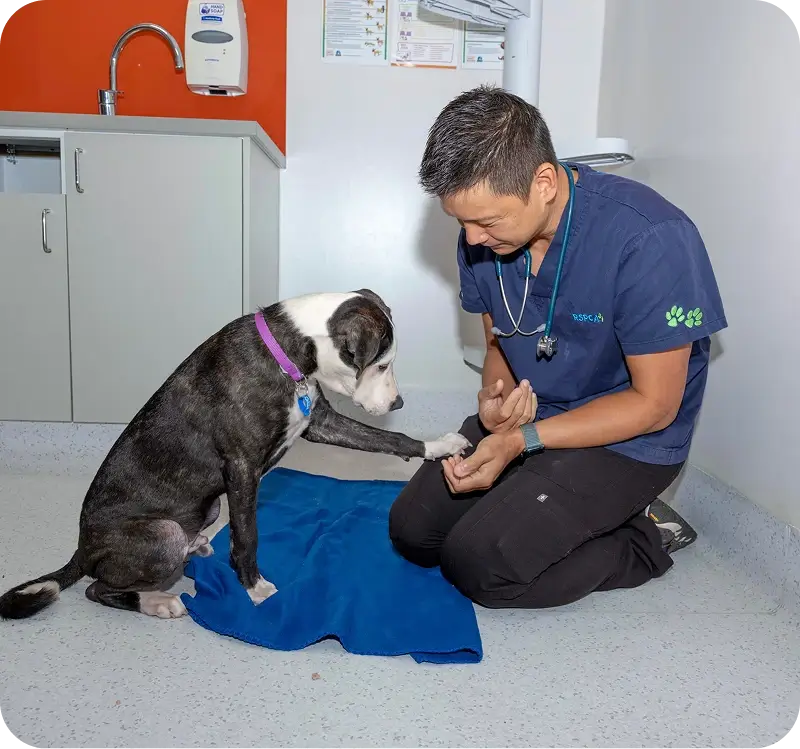
Also known as avian influenza, bird flu is a viral disease caused by influenza A viruses that primarily infect wild birds and domestic poultry like chickens and ducks. ‘Bird flu’ often specifically refers to the highly pathogenic (disease-causing) avian influenza H5N1 strain which has been behind major global outbreaks in recent years.
The disease spreads easily through direct contact, droppings, respiratory secretions, or contaminated surfaces, feed, or water.
Smith notes that bird flu can occasionally infect mammals, including cats and (to a far lesser extent) dogs, and rarely humans. “It is known as a ‘zoonotic disease’, which means it can sometimes jump from animals to people,” he says. However, he quickly adds that any risk is very low, with sustained human-to-human transmission not observed with the current strains.
The risk for pets: Cats more susceptible
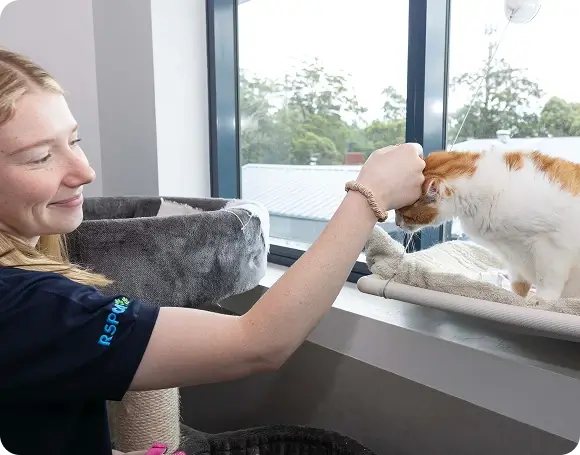
RSPCA Pet Insurance is drawing attention to bird flu because if cats catch the disease, it can be severe and often fatal. “Cats are highly susceptible to the virus and if the disease takes hold, it can cause your pet to become very ill,” Smith confirms.
He says cats are more likely to catch H5N1 as they are more likely to encounter sick or dead wild birds owing to feline behaviour. “There are several mechanisms by which they can become infected, including hunting or eating birds carrying the disease.
Symptoms to watch for in cats include fever, lethargy, loss of appetite, severe eye or nasal discharge and difficulty breathing. Neurological signs can include tremors, seizures, or blindness.
Smith says precautions can include keeping cats indoors, as preventing them from roaming eliminates opportunities to hunt or scavenge sick or dead wild birds. “And, as you almost certainly already do, keep your pets well clear of wildlife, particularly sick or dead wild birds. If by chance you encounter multiple sick or dead birds, do report that to DAFF authorities immediately.”
Suspect your pet may have bird flu?
This isn’t a wait-and-see situation. “Bird flu can progress quickly, particularly in cats, so if you notice symptoms like fever, lethargy, breathing trouble or any neurological signs, especially after exposure to wild birds, isolate your pet and get them to a vet straight away. Calling ahead so the clinic can prepare makes a real difference too,” he confirms.
“As is always the case, keeping a close eye on your pets is advisable, but with bird flu now present in the country, extra vigilance is a pretty good idea,” he adds, “And for our part, we’re monitoring our claims carefully to identify any potential cases.”
Official advice is available from the Department of Agriculture, Fisheries and Forestry (DAFF) or Wildlife Health Australia websites, and any information can be reported to the 24-hour Emergency Animal Disease Hotline on 1800 675 888.
About RSPCA Pet Insurance
RSPCA Pet Insurance is a purpose-driven strategic partnership between RSPCA Australia and Pacific International Insurance, designed to protect and improve the wellbeing of pets while also helping contribute funding to RSPCA animal welfare initiatives nationwide. With over 150 years of RSPCA expertise in animal care, advocacy, and veterinary knowledge, our customisable product offers transparent, flexible coverage that can be tailored to pet owners’ needs and budgets, with premiums helping support RSPCA initiatives such as rescue, rehabilitation, rehoming, education, and law enforcement efforts for animals in need. Guided by a vision of a world where pets can live well and be well, RSPCA Pet Insurance combines empathy, expertise, and innovation to help make pet insurance accessible and impactful. For more information, visit rspcapetinsurance.org.au
Media contacts:
Leandri Smith | Evolab | leandri@evolab.com.au | 0433 900 356
Azelle Evans | Evolab | azelle@evolab.com.au | 0451 710 095
