
Media release

Pets in public: why petiquette matters
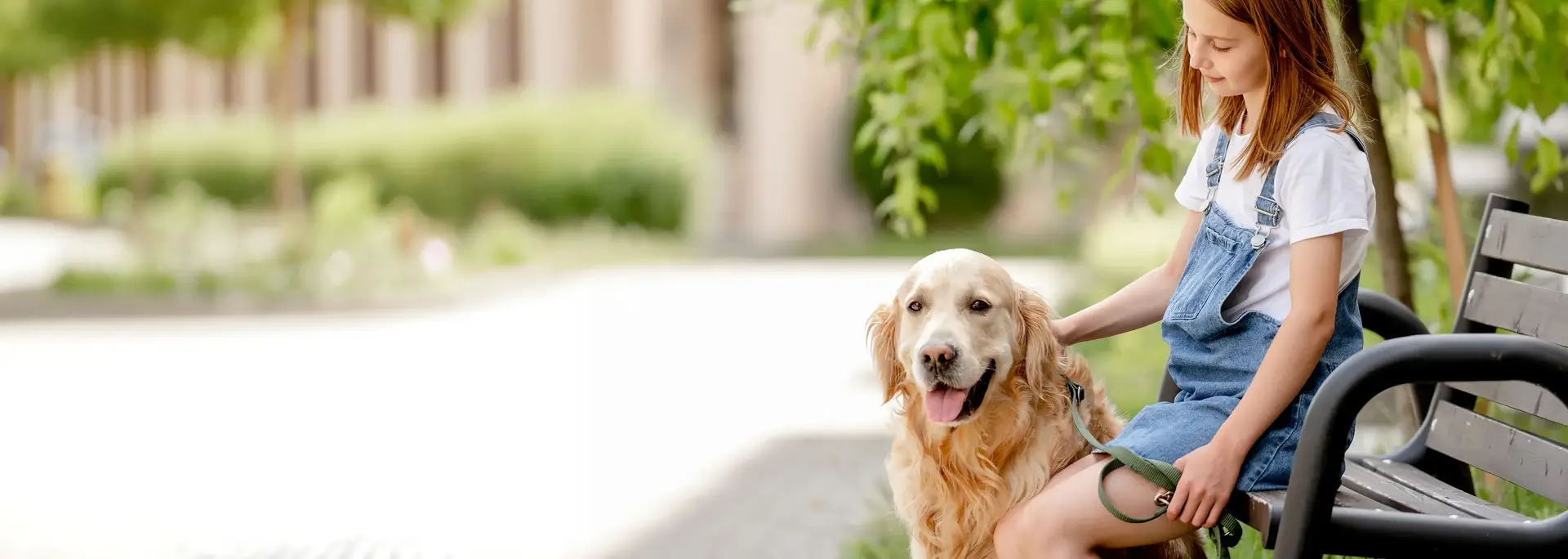
Australia is becoming more pet-friendly, with almost three in four households now owning at least one pet. But as dogs become more visible in cafés, airports, parks, apartment buildings, beaches and other shared public spaces, pet owners need to practice good “petiquette” by respecting venue rules, other people and other animals around them.
Pets are increasingly regarded as family members, with many owners bringing their furry companions along for everything from quick errands and social catchups to extended holidays.
3 in 4
Australian households now own at least one pet
Not every setting suits every pet
Brad Smith, CEO of RSPCA Pet Insurance, says the rise of pet-friendly venues, travel options and public spaces is positive, but it comes with greater responsibility for pet owners. “Australians clearly see pets as part of the family, but that does not mean every social setting is suitable for every animal. A dog that is calm at home may not cope well in a busy café, airport queue, crowded market or off-leash beach.”
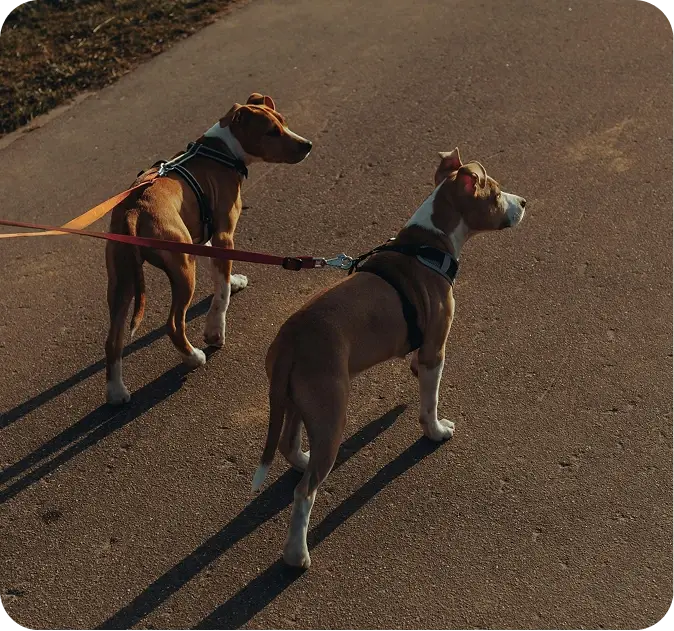
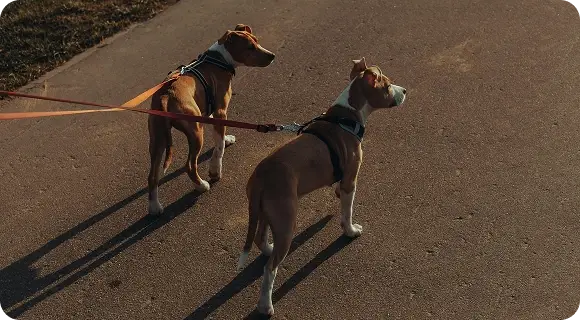
Every venue has its own rules, here's how to stay on the right side of them
Under Australian food safety guidance, assistance animals must be allowed in customer-accessed areas, while pet dogs may only be permitted in unenclosed outdoor dining areas. Food businesses can also decide whether to allow pet dogs and set their own conditions, including requiring dogs to stay on the ground or remain on a lead.
Rules also vary across parks, beaches and public spaces, where leash, off-leash and dog-prohibited areas are generally managed by state, territory or local council rules. In the ACT, for example, dogs must be under effective control, kept on leash on public land unless otherwise indicated, and owners must clean up after them.
Ask before your dog says hello
Television veterinarian Dr Katrina Warren says good petiquette is not only about following venue rules but also understanding that not every dog wants to meet another dog.
“Dog-friendly does not mean every dog should be allowed to approach every other dog,” says Dr Warren. “Dogs of different breeds, sizes, temperaments and energy levels may not always interact well, so owners need to give other dogs space and ask before allowing a greeting.”
Dr Warren says owners should never assume a dog that is relaxed at home will behave the same way around food, children, crowds or unfamiliar animals.
“Some owners may be managing dogs that are anxious, reactive, older, injured, in training or simply uncomfortable with close contact,” she says. “Letting your dog rush up to another dog, even with friendly intentions, can create stress very quickly.”
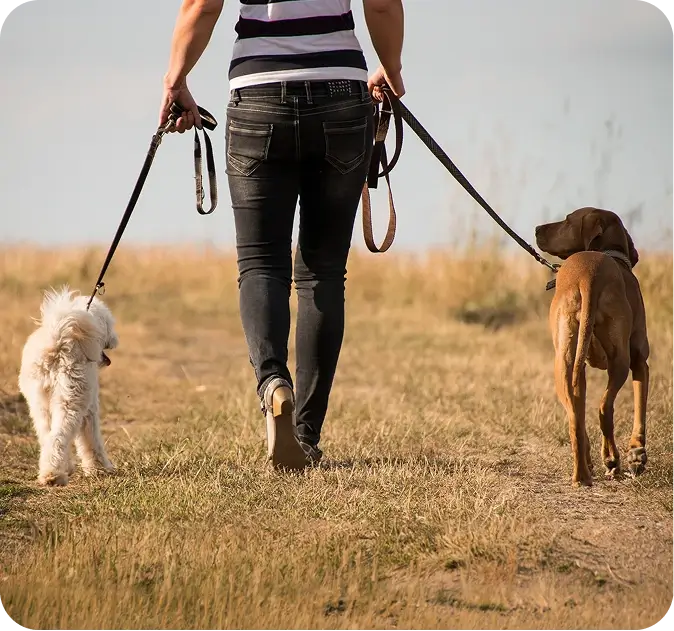
What stress looks like on a dog (and why it pays to notice)
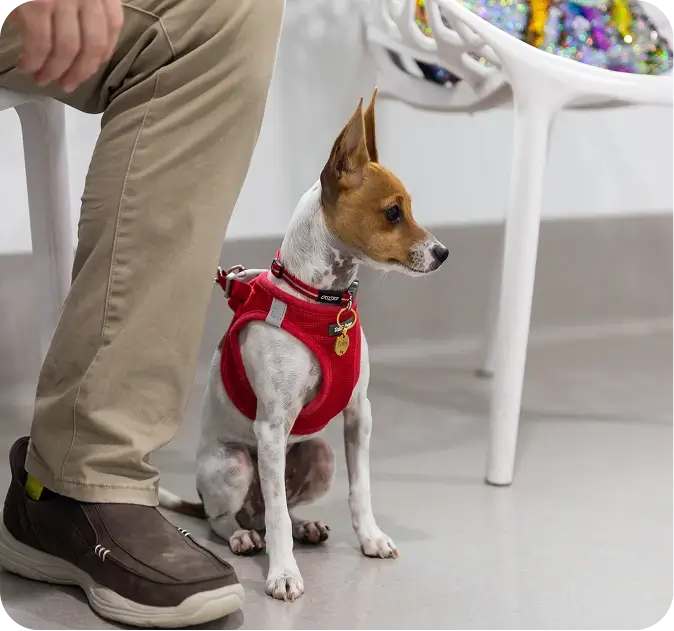
Signs a dog may be uncomfortable include a stiff body, tucked tail, ears pinned back, lip licking, yawning, turning away, hiding behind their owner, raised hackles, growling, barking, lunging or freezing in place.
“These signs are a dog’s way of communicating that they are unsure, stressed or need more space,” says Dr Warren. “The safest response is not to force the interaction. Move calmly away, give the dog room and allow both animals to settle.”
Smith says dog bite incidents can also result in significant vet bills, with RSPCA Pet Insurance claims data showing dog bite-related claims can exceed $1,500 while often involving emergency consultations, wound treatment, medication, follow-up care and in more serious cases, surgery.
Responsible ownership is what keeps Australia pet-friendly
“Responsible ownership means planning for the full reality of having a pet,” says Dr Warren. “That includes training, socialisation, emergency vet costs, public-space rules, travel arrangements and knowing when your pet is better off staying at home.”
Smith concludes by stressing the future of pet-friendly Australia depends on owners showing that pets can be included in public life safely and respectfully. “The more considerate owners are, the more likely cafés, councils, accommodation providers and transport operators are to keep making space for pets.”
Dr Katrina Warren’s top ‘petiquette’ tips for social outings:
Check first
Rules vary, so check signage, council guidance and venue policies before bringing your dog along.
Keep control
Your dog should stay in sight, respond to commands and not approach people, wildlife or other dogs without permission.
Respect venue rules
Dog-friendly does not mean dogs are welcome everywhere. Businesses can set their own conditions.
Clean up
Always carry waste bags and dispose of droppings properly.
Watch for stress
Barking, lunging, trembling, hiding or refusing to settle can mean your dog needs space.
Respect assistance animals
Assistance animals have different access rights and should not be approached, distracted or disrupted by other pets.
About RSPCA Pet Insurance
RSPCA Pet Insurance is a purpose-driven strategic partnership between RSPCA Australia and Pacific International Insurance, designed to protect and improve the wellbeing of pets while also helping contribute funding to RSPCA animal welfare initiatives nationwide. With over 150 years of RSPCA expertise in animal care, advocacy, and veterinary knowledge, our customisable product offers transparent, flexible coverage that can be tailored to pet owners’ needs and budgets, with premiums helping support RSPCA initiatives such as rescue, rehabilitation, rehoming, education, and law enforcement efforts for animals in need. Guided by a vision of a world where pets can live well and be well, RSPCA Pet Insurance combines empathy, expertise, and innovation to help make pet insurance accessible and impactful. For more information, visit rspcapetinsurance.org.au
Media contacts:
Leandri Smith | Evolab | leandri@evolab.com.au | 0433 900 356
Azelle Evans | Evolab | azelle@evolab.com.au | 0451 710 095
