

Media release

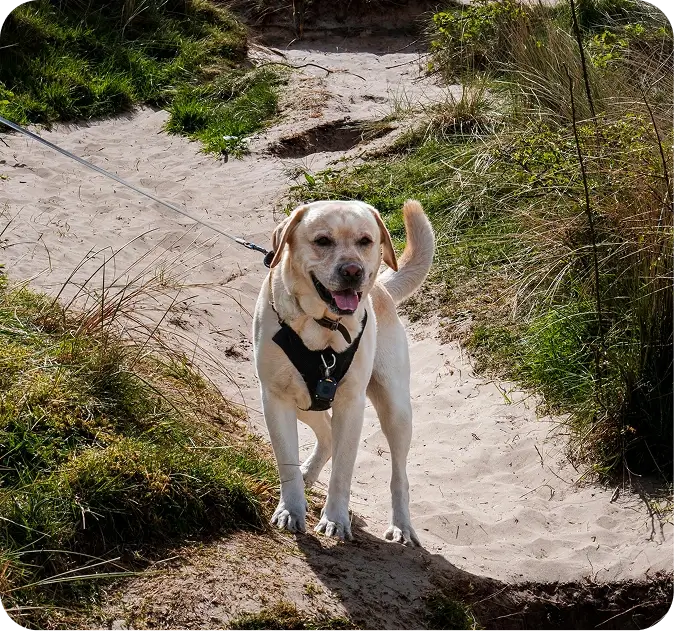
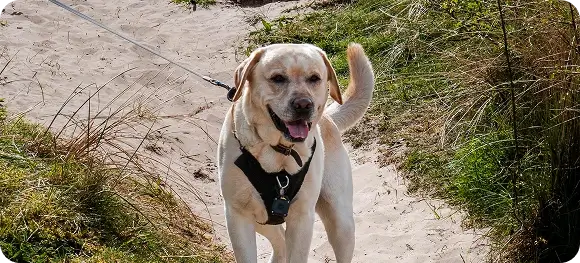
Whether you’re welcoming your first dog or have years of experience as a pet owner, training remains a vital part of responsible care. Teaching three essential behaviours can help support your dog’s wellbeing, protect your safety, and ensure the safety of everyone around them.
“Nobody likes hearing stories about dogs that got loose, were hit by a car, caused cyclists to crash, ate something toxic, or caused distress to people or other pets,” says RSPCA Pet Insurance CEO Brad Smith. “A dog doesn’t need to be aggressive to pose a risk to itself or others, even a Cavoodle running loose on the road has the potential to cause chaos,” he adds.
“Unfortunately, these incidents do occur, which is why we asked an expert to share her top recommendations for keeping dogs safe and ensuring responsible ownership,” Smith notes.
Three commands every dog should know
The expert is certified Fear Free behaviour veterinarian and dog trainer Dr Emily Lucas, and she says there are three behaviours everyone should teach their canine companions. “These behaviours are ‘non-negotiables’ and are crucial for keeping your dog safe in all imaginable situations. They are ‘come’, ‘stay’ and ‘leave it/drop.”
Research suggests that on average, dogs can understand up to 89 words.¹ Of course, your dog doesn’t need a vocabulary anywhere near that size, even mastering a few key commands can make a big difference. What these findings do show is just how intelligent dogs are and that, with consistent training and positive reinforcement, they have the potential to learn far more than many people realise.


Start with why
Before getting to the ‘how’ of training your dog with these essential behaviours, Dr Lucas says knowing ‘why’ is important. “You want to be sure you can keep your pet and those around them safe, even in stressful or unexpected situations.”
“These situations can happen in an instant, whether it’s a lead snapping, a dog slipping through an open gate, being startled by a loud noise, or taking off after wildlife,” says Dr Lucas. “The world can be an unpredictable place, and unexpected things happen. That’s why it’s so important for dogs to have a few well-practised, reliable behaviours they can respond to on cue, helping to keep them safe and out of trouble when it matters most.”
Her advice is to start as early as possible, teach and generalise the behaviours, and always keep in mind the secret to success is repetition. “You want these behaviours well-rehearsed before you need them. Until your pup is fluent, use basic training aids including a lead, a long line, and a muzzle if needed.”
Come, stay, leave it: the training basics that keep your dog safe


Come/Recall
Off-leash time is true freedom for a dog. But a free-running dog must have solid recall. “You cannot let your dog off lead with nothing but a hope and prayer of them returning when called,” Dr Lucas stresses. “This is unsafe.”
Teaching reliable recall isn’t difficult but can take time and works best with positive reinforcement (treats!) coupled with a consistent behaviour cue: ‘Come!’. “Make yourself the most fun and attractive thing in the environment and your dog will want to come to you. Once you have a solid reinforcement history, your dog is going to want to come to you repeatedly because the cue (come) predicts something good happening.
“Remember, there are endless distractions in the environment – other dogs, people, smells, food, prey. So, bring your A-game in training, use a longline as you build distance and distraction, use treats as reliable reinforcers and practice until your dog comes reliably in all manner of situations,” she explains. “If you aren’t confident your dog will come back, then don’t put them in that situation. Set them up for success.”


Stay
For your pup, the ‘stay’ cue means staying exactly where he or she is, without moving until you say ‘go’, or ‘OK’. “When coming back to you isn’t the best option, you really want your dog to freeze,” says Dr Lucas.
If the pup stays put, it buys time for the next action – if there’s traffic around, for example, and you’re separated from your dog for any reason. “You want your pet safe and not causing any further commotion until it’s OK for them to move, or until you can get to them.”
Dr Lucas notes that this behaviour is essential in a wide range of circumstances. “Roads, wildlife, unforeseen dangers like broken glass on the ground, an elderly person with an unsociable dog passing between you… or even if you want your dog to chill so you can have a conversation.”

Leave it/Drop
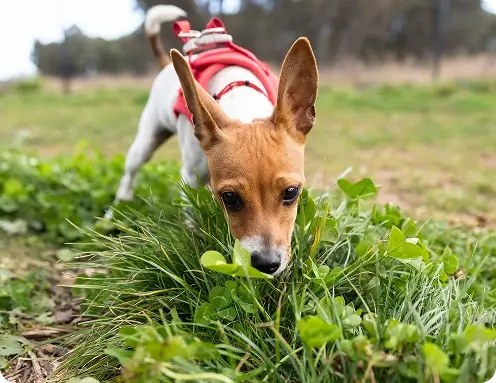
Dogs can get their teeth into all sorts of inappropriate things, and when they do, you want a well-rehearsed behaviour on cue to which they instantly respond so the thing and the teeth are again separated.
“’Leave it’ and ‘drop’ are really two behaviours,” notes Dr Lucas. “However, train your dog so it understands that ‘leave it’ means ‘stay away’, and ‘if you’ve just picked something up, spit it out’.”
“In those situations where ‘come’ or ‘stay’ won’t stop your dog from getting into trouble, this behaviour does the trick. For example, if your dog has gotten into a poisonous plant or vermin bait, medication, food off the table, your favourite shoe, or wildlife, ‘leave it’ can really save the day.”
Without a thoroughly ingrained ‘leave it’/ ‘drop’ cue, Dr Lucas points out that a dog’s natural response to the threat of possibly losing something in its mouth is resistance or simply swallowing it. “And that’s the very last thing you want.”
Good training could mean fewer bills
“A well-trained, responsive dog is a pleasure to have in public and makes outings more enjoyable for everyone,” says Smith. “It can also help avoid unnecessary veterinary and other expenses. We’ve seen costly insurance claims involving dogs that failed to ‘leave’ something dangerous alone, as well as significant vet bills when dogs didn’t respond to cues like ‘come’ or ‘stay’, in some cases leading to accidents involving vehicles. There are plenty of good reasons to get these fundamental behaviours right from the start.”
About RSPCA Pet Insurance
RSPCA Pet Insurance is a purpose-driven strategic partnership between RSPCA Australia and Pacific International Insurance, combining more than 150 years of animal welfare expertise with customisable pet insurance designed to support pets and their owners. Premiums help fund RSPCA initiatives including rescue, rehabilitation, rehoming, education and animal welfare programs nationwide. The insurer has also launched Direct2Vet, a free payment solution for veterinary clinics that streamlines claims processing and helps reduce upfront costs for pet owners at the point of care. For more information visit rspcapetinsurance.org.au.
Media contacts:
Leandri Smith | Evolab | leandri@evolab.com.au | 0433 900 356
Azelle Evans | Evolab | azelle@evolab.com.au | 0451 710 095
