
Media release

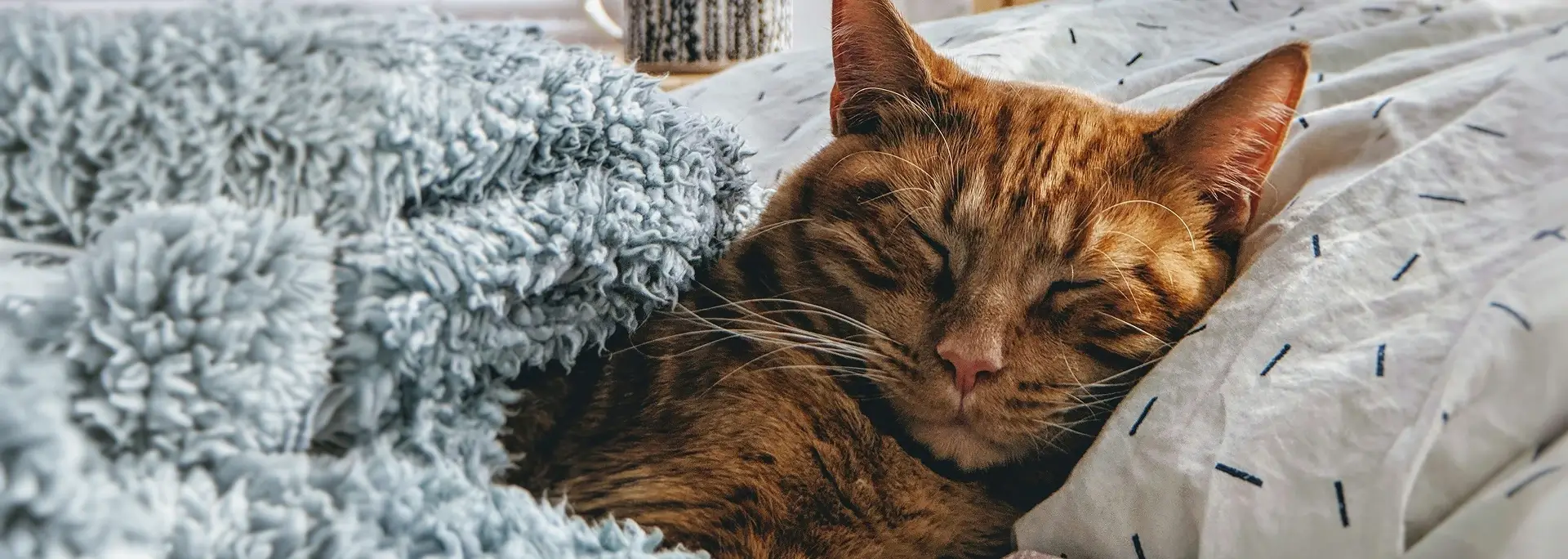
As winter sets in, colder weather, shorter days and seasonal household hazards can put pets at greater risk of illness, injury and discomfort, making it important for owners to take extra steps to keep their animals safe and healthy throughout the cooler months.
What the data shows: winter’s hidden impact on pet health
New claims data highlights the added health pressures winter can place on pets, with a notable spike in mobility and joint-related conditions during the colder months. According to RSPCA Pet Insurance CEO Brad Smith, claims for these ailments increase significantly in winter, with the average vet visit costing $2,462.
$2,462
Average cost of a vet visit for winter-related conditions
Winter routines, hidden risks


Winter routines, hidden risks
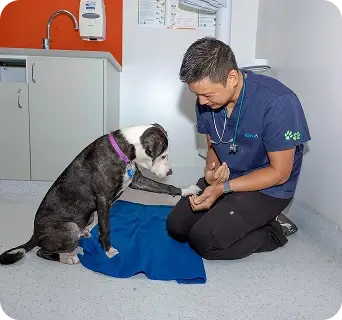
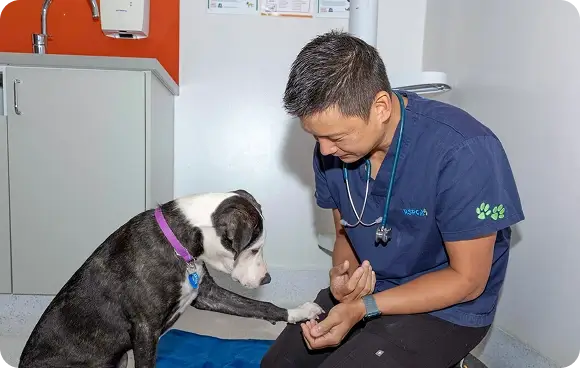
“We know that the top five issues resulting in vet visits year-round are:
- Ingestion of foreign objects
- Skin allergies
- Ear infections
- Gastroenteritis
- Vomiting
But during winter, the most noticeable rise in claims is for mobility and joint issues,” says Smith. These conditions can worsen in colder weather, making prevention and early care especially important.
Smith also warns that winter routines can contribute to seasonal health issues for pets. “We all feel the pull of the couch after work when the days are shorter and cooler, but less exercise, reduced fresh air, cold weather and drier indoor environments can affect pets too by increasing the risk of weight gain, stiffness, skin irritations and infections such as kennel cough.”
Cold tolerance
Dr Melissa Meehan, Director of Veterinary Services, RSPCA Victoria, says that in the chillier regions, which include Tasmania, anywhere south of Sydney, the high plains, and the Australian Alps (which include the ironically named Mount Hotham in winter), several risks arise.“ Among them are hypothermia, frostbite and chemical poisoning.”
Dr Meehan says smaller breeds, short-haired pets, puppies and kittens as well as senior pets are particularly vulnerable to cold weather, as they struggle to regulate body temperature and have less body fat. “Where possible, it’s best to keep pets indoors during winter,” she says, adding that short-haired breeds may benefit from a jacket or sweater, while outdoor pets need warm, dry shelter and bedding.
Pet owners should also watch for signs of hypothermia, including shivering, reluctance to walk, whining, hunched posture or tucked tails, especially in underweight animals.
She says colder weather can also worsen joint stiffness and mobility issues in pets. “Cold weather doesn’t cause joint problems, but it does result in reduced circulation, muscle tightening and thicker joint fluid which increase discomfort and stiffness in joints,” she explains.
While pets often begin showing signs of joint disease at the age of 7 years, claims data show that many pets visiting vets for mobility and joint-related conditions are even younger, highlighting that these issues are not limited to older animals and are something all pet owners should be aware of.
Sniffles, coughs and respiratory issues
Dr Meehan says pets are more prone to winter illnesses such as kennel cough during colder months, with claims rising as dogs pick up infections at parks, daycare and boarding facilities, while cats can be affected in poorly ventilated indoor spaces.
She recommends keeping vaccinations up to date, in particular Bordetella and Canine Parainfluenza virus, which cause kennel cough, and ensuring pets have warm bedding and well-ventilated shelter. Owners should watch for symptoms including coughing, nasal discharge, lethargy and noisy breathing, and seek veterinary advice if symptoms develop.


Winter itch and skin health
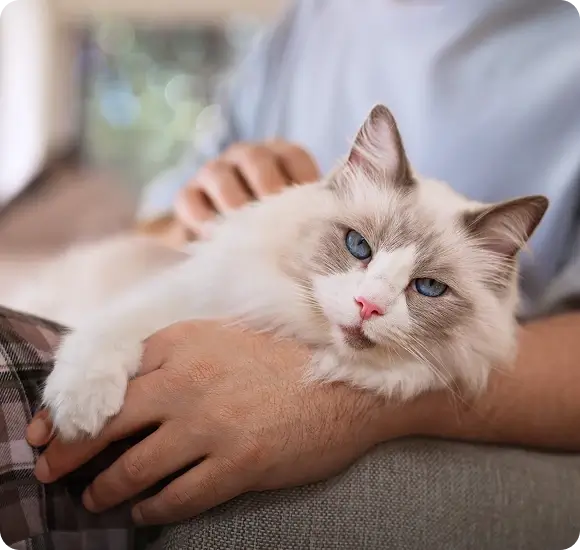
Heated homes and lower humidity during winter can dry out pets’ skin, worsening allergies, itching and infections, with skin-related claims remaining consistently high throughout the colder months.
Dr Meehan recommends regular brushing to maintain natural oils, limiting baths, and using moisturising shampoos when needed. She says winter can also increase the risk of ear infections, particularly in floppy-eared breeds, due to dampness and reduced airflow indoors. Owners should avoid getting water in ears, dry pets thoroughly after bathing and watch for signs including head shaking redness, odour, discharge or excessive scratching.
For pets, as with people, prevention matters. A balanced diet, regular exercise and consistent grooming can help protect their health through winter, but Smith urges owners to act quickly if something seems wrong.
“Don’t wait, a quick vet check can stop minor hassles from becoming major problems.”
Brad Smith – CEO, RSPCA Pet Insurance

About RSPCA Pet Insurance
RSPCA Pet Insurance is a purpose-driven strategic partnership between RSPCA Australia and Pacific International Insurance, designed to protect and improve the wellbeing of pets while also helping contribute funding to RSPCA animal welfare initiatives nationwide. With over 150 years of RSPCA expertise in animal care, advocacy, and veterinary knowledge, our customisable product offers transparent, flexible coverage that can be tailored to pet owners’ needs and budgets, with premiums helping support RSPCA initiatives such as rescue, rehabilitation, rehoming, education, and law enforcement efforts for animals in need. Guided by a vision of a world where pets can live well and be well, RSPCA Pet Insurance combines empathy, expertise, and innovation to help make pet insurance accessible and impactful. For more information, visit rspcapetinsurance.org.au
Media contacts:
Leandri Smith | Evolab | leandri@evolab.com.au | 0433 900 356
Azelle Evans | Evolab | azelle@evolab.com.au | 0451 710 095
