
Care & training

Many dog owners wonder whether training their dog is necessary, or whether it will actually benefit their dog. It’s a natural question, and the reassuring answer is ‘yes’. Thoughtful, reward-based training is one of the best things you can do to support your dog’s wellbeing, safety, and everyday behaviour, while also strengthening the bond you share.
Table of contents
- What is positive reinforcement dog training?
- Why dog training matters
- Why does the RSPCA advocate for reward-based, positive reinforcement training?
- Puppy school and training classes
- Why dog training and pet insurance go paw-in-paw
What is positive reinforcement dog training?
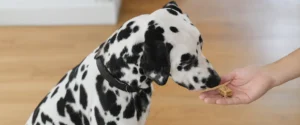
Positive reinforcement dog training is a reward-based approach that focuses on encouraging dogs to perform behaviours you want to see, rather than punishing them for behaviours you don’t want to see.
In simple terms, it means rewarding your dog when they do the right thing, so they’re more likely to do it again, and ignoring or not rewarding ‘unwanted’ behaviours so they’re more likely to stop doing them.
Dogs learn through consequences, and behaviours that lead to positive outcomes like food, treats, favourite toys, verbal praise, or play, are naturally repeated. This makes positive reinforcement a highly effective and welfare-friendly way to teach dogs new skills and encourage desirable behaviours.
How does positive reinforcement training work in practice?
Let’s look at a common scenario: Buster, a friendly and excitable dog, jumps up to greet people, and his owners try to stop it by pushing him down and telling him off as he jumps. Unfortunately, this approach doesn’t work.
A reward-based approach offers a much more effective solution:
- Instead of reacting to the jumping, Buster is calmly ignored — including no eye contact — until all four paws are on the ground.
- Only when Buster is standing or sitting with all paws on the ground does he receive attention, eye contact, a tasty treat, or praise to reward his calm behaviour.
- This helps Buster make a clear connection between calm behaviour and positive outcomes.
- Each time, the same rule applies: no attention while jumping, and immediate rewards once Buster’s paws are back on the ground.
- Before long, Buster learns that jumping doesn’t earn rewards but standing or sitting does.
- As a result, Buster begins offering the calm behaviour his owner wants, eagerly keeping all four paws on the ground in anticipation of praise or a treat.
Why dog training matters
Positive reinforcement training plays an essential role in supporting a dog’s overall wellbeing. It’s about much more than teaching simple cues like ‘sit’ or ‘stay’.
For example, training also:
- Provides dogs with the mental and physical stimulation they need, encouraging them to problem-solve and stay engaged.
- Helps build foundational skills, teaching dogs how to behave appropriately at home and in the community.
- Supports your dog’s cognitive wellbeing and ongoing learning.
- Builds confidence and helps dogs cope with new environments and experiences.
- Strengthens the bond and relationship between dogs and their owners by enabling a clear line of communication.
- Helps address unwanted behaviours.
- Respects that every dog is an individual, allowing training to be tailored to what each dog enjoys most.
- Uses rewards dogs value, such as play, treats, or toys, making training motivating and enjoyable.
Ultimately, training is about setting dogs up for success. Whether you’re welcoming a new puppy or caring for an adult dog, ongoing, positive training helps dogs live happier and safer lives.
Why does the RSPCA advocate for reward-based, positive reinforcement training?
The RSPCA supports reward-based, positive reinforcement training because it helps dogs and other animals learn in ways that are positive, welfare-friendly, and motivating.
Punishment-based training methods can cause fear, stress, and confusion, and may worsen behavioural problems over time. In contrast, reward-based training builds trust, strengthens communication, and helps dogs feel confident and safe as they learn new skills.
Positive reinforcement also makes training an enjoyable experience for both dogs and their carers, helping to create a strong, respectful bond that extends well beyond training sessions.
For this reason, the RSPCA recommends choosing training classes that use reward-based, positive reinforcement methods. Programs that rely on punishment or aversive techniques such as electric shock devices, prong or pinch collars, or choke chains should be avoided. These methods are considered outdated, inhumane, and ineffective, and can increase the risk of injury as well as cause long-term harm to a dog’s physical and emotional wellbeing and negatively impact their relationships with people.
Puppy school and training classes
Reputable, high-quality puppy school classes that use positive reinforcement training are strongly recommended, as they play a vital role in helping puppies socialise with other dogs and unfamiliar people.
Puppies go through a critical socialisation period between three and 12–14 weeks of age, when positive exposure to different people, environments, and other dogs is especially important. Experiences during this time can strongly shape how puppies perceive the world as they grow into adulthood. Training at this early age also helps puppies learn essential social cues and how to communicate appropriately with other dogs.
However, training isn’t just for puppies, and it doesn’t have to stop once a dog reaches adulthood. Training classes for older dogs are widely available and can support ongoing learning, as well as help address unwanted behaviours that may emerge later in a dog’s life. These classes are also a great option for dogs who, for various reasons, may not have received the training they needed earlier on.
While puppy schools and group training classes are a great fit for many dogs, offering valuable opportunities for socialisation and a chance for owners to connect, individual sessions may be more suitable for some dogs. Many trainers and behaviourists offer personalised, one-on-one sessions, including training in the dog’s home environment, to better meet the dog’s individual needs.
Why dog training and pet insurance go paw-in-paw
Training and pet insurance both play an important role in supporting your dog’s health, safety and overall wellbeing.
Reward-based training helps dogs learn appropriate behaviours, builds confidence, and reduces the likelihood of behaviour-related incidents that could lead to injury, stress, or unexpected vet bills. Think of it as a proactive step, setting your dog up for a calmer, safer life.
Pet insurance, on the other hand, is there for the moments you can’t plan for, offering a little extra peace of mind when the unexpected happens.
And when you insure with RSPCA Pet Insurance, you can tailor your cover to suit your needs and budget, while also supporting the RSPCA’s mission to care for animals in need across Australia. It’s protection with purpose, for your pet and thousands of others.
To learn more about how RSPCA Pet Insurance could support you and your pet, click here. Or, if you’re ready to take the next step, you can fetch a commitment-free pet insurance quote online.
Disclaimer
As with any insurance, terms, conditions, and exclusions apply. Please read the Product Disclosure Statement to make sure this cover suits your needs.
References
[1] RSPCA Australia. Is it important to train my dog? What sort of training would you recommend? RSPCA Knowledgebase. Available from: https://kb.rspca.org.au/categories/companion-animals/dogs/training/is-it-important-to-train-my-dog-what-sort-of-training-would-you-recommend
[2] RSPCA Australia. What is reward-based dog training and why does the RSPCA support it? RSPCA Knowledgebase. Available from: https://kb.rspca.org.au/categories/companion-animals/dogs/training/what-is-reward-based-dog-training-and-why-does-the-rspca-support-it
FAQs
Training isn’t just about teaching a dog how to give a paw or stay calm when greeting others. It plays a vital role in a dog’s overall wellbeing, providing essential mental and physical stimulation while supporting their emotional health. Through training, dogs can learn how to navigate a wide range of situations safely and confidently. Training can also help strengthen the bond between dogs and their owners by fostering understanding, building trust, and establishing clear, effective communication.
The RSPCA advocates for reward–based, positive reinforcement dog training, which focuses on encouraging behaviours pet parents want to see rather than punishing unwanted ones. By rewarding good behaviour with treats, praise, or a favourite toy, dogs are more likely to repeat behaviours that lead to rewards, making training effective, enjoyable, and welfare–friendly.
Positive reinforcement is grounded in behaviour science and is proven to be highly effective. It focuses on rewarding desired behaviours with treats, play, or praise, rather than punishing dogs for not behaving in a desired way. This helps to increase motivation and build a stronger bond between dogs and their owners. Because dogs are more likely to repeat behaviours that lead to positive outcomes, consistently rewarding calm and appropriate actions helps shape behaviour without causing any stress or fear.
Puppy schools and training classes can be incredibly valuable, particularly during a puppy’s early socialisation period. These classes help dogs learn how to interact appropriately with people and other dogs, while also building important foundational skills. Training classes are equally beneficial for older dogs, supporting ongoing learning and providing valuable quality time for dogs and their owners. When choosing a training program, it’s important to look for reputable, high‑quality classes run by experienced trainers or behaviourists who use reward‑based, positive reinforcement methods, and avoid those that rely on punishment or aversive-based training techniques.
RSPCA Pet Insurance doesn’t generally cover the cost of dog training, training-related devices, or puppy pre-school and general socialisation classes. However, training costs may be covered when recommended by a vet as part of the treatment for a covered condition.
As with any insurance, terms, conditions, and exclusions apply. Please read the Product Disclosure Statement to make sure this cover suits your needs.