Care & training

This article provides general information only and is not a substitute for personalised veterinary advice. Always speak with your vet about your pet’s individual health needs. Accurate as at 13 November 2026.
Fireworks might be a dazzling part of a celebration for us, but for our pets, all those unexpected bangs and bright flashes can be pretty scary. Loud noises can leave pets feeling frightened, stressed, or anxious, and some may even try to escape in search of somewhere safe.
The reassuring part? There are simple things you can do to help your pet feel safer and more comfortable when fireworks are in full swing.
From creating a cosy, quiet space to knowing how to comfort them, a little preparation can make a big difference. Here’s how to help your furry friend through the noise.
Table of contents
- Preparation is key
- Make sure your pet’s ID and microchip details are up to date
- Create a safe hiding space
- Keep pets indoors
- Stay home and stay calm
- Dos and don’ts on the night
- Pet insurance and its role in your pet’s care
Preparation is key
A little planning can go a long way in helping your pet feel safe and settled when fireworks start. If you know there’s a celebration coming up, check your local council’s website for planned fireworks displays so you can get organised ahead of time.
Here are a few simple ways to prepare:
- Have a chat with your vet. If your pet gets anxious around loud noises, your vet can talk you through ways to help them cope, including treatment options for noise-related fear where appropriate.
- Plan some activity before the fireworks. Give your pet a chance to enjoy their usual exercise, playtime or enrichment activities earlier in the day. Sticking to their normal feeding routine and giving them time to settle before the noise begins may help them feel more relaxed.
- Create a cosy retreat. Set up a quiet, comfortable space where your pet can retreat if things get a little too noisy. Make sure it’s somewhere they feel secure and can access whenever they need a little peace and quiet.
Make sure your pet’s ID is up to date
Fireworks can give even the bravest pets a fright, and some may try to make a quick getaway. That’s why it’s important to make sure your pet’s identification details are up to date, just in case they wander off.
Make sure your pet is microchipped and check that your contact details are current on the microchip register, as well as any readable collar ID tags. For cats, make sure a collar is properly fitted, with a quick-release option for their safety.
These simple steps can make a big difference in helping you reunite with your pet if they go missing.
Create a safe hiding space
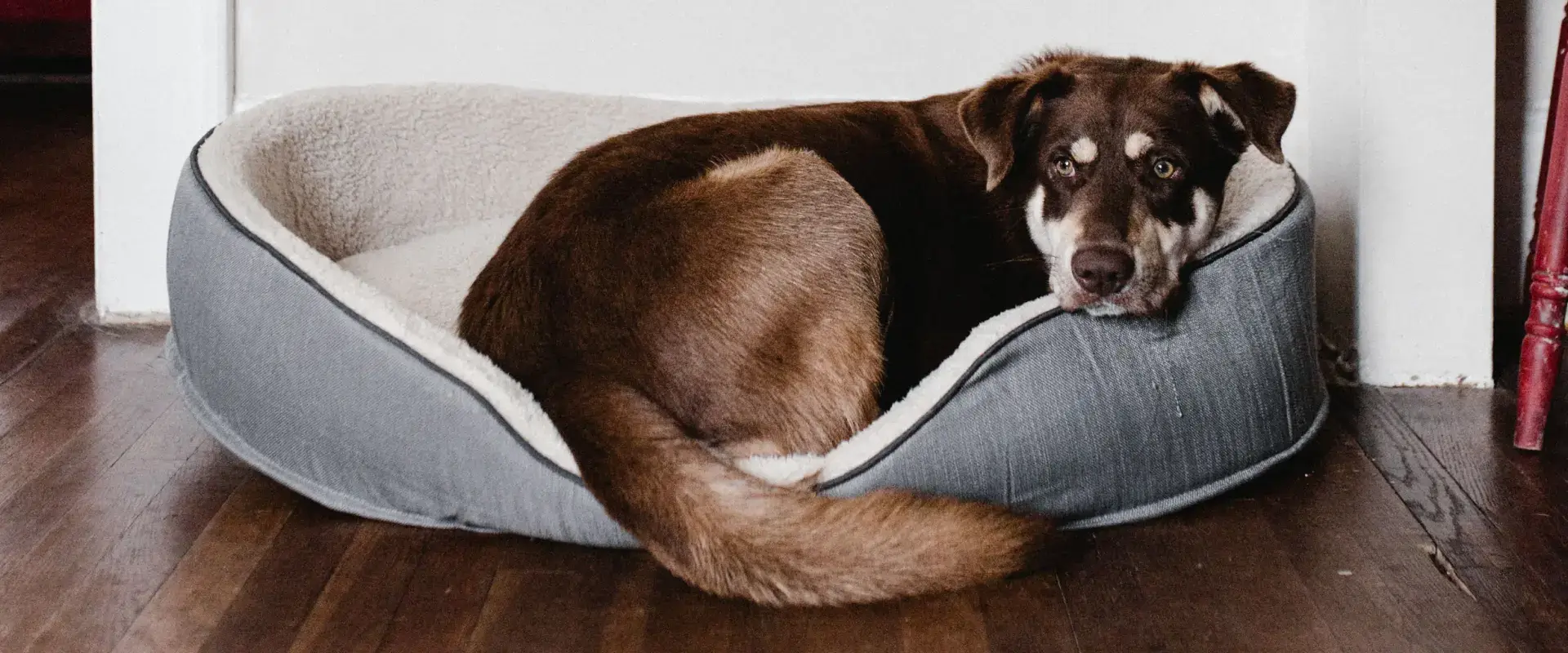
When fireworks start, having a cosy, quiet spot to retreat to can help your pet feel more safe and secure. Set up a comfortable hiding space with their favourite bedding, blankets, or familiar toys. This could be a covered crate, a cardboard box, or a quiet corner of the house, depending on what your pet prefers.
Let your pet choose where they feel safest, and avoid forcing them out of hiding. They’ll come out when they’re ready.
To help create a calmer environment, close the curtains or blinds to block out bright flashes, and try playing soft music or turning on the TV to help mask the noise outside.
Keep pets indoors
Fireworks can send frightened pets looking for an escape route, so it’s important to make sure they’re safe and secure before the celebrations begin.
Here are a few ways to help keep your pet out of harm’s way:
- Bring pets indoors. Keep cats and dogs inside during fireworks whenever possible, and avoid leaving them outside alone, including restricting access to outdoor enclosures like catios.
- Check for escape routes. Make sure doors and windows are closed, and that gates and fences are secure, in case your pet slips out.
- Keep an eye on your pet. Check in on them throughout the evening and offer comfort and reassurance. Sometimes, simply having you nearby can help them feel more at ease.
Stay home and stay calm
If you can, stay home with your pet during fireworks. Having someone familiar nearby can help them feel safer and more reassured. Stay calm, carry on with your usual activities, and let your pet choose whether they want to be close to you or settle somewhere quiet.
If you can’t be there, arrange for someone your pet knows and trusts to keep them company. You could also consider a reputable pet boarding facility, provided it’s somewhere your pet feels comfortable and secure.
Dos and don’ts on the night
Here’s what the RSPCA recommends during fireworks displays.
Do
- Keep things familiar. Stick to your pet’s usual routine where possible, and encourage gentle play or reward calm behaviour with their favourite treats or toys.
- Offer a distraction. Games, toys, or a tasty treat can help take their mind off the noise, but don’t force them to join in if they’d rather hide.
- Give them space. Let your pet retreat to their safe spot whenever they need to, and allow them to come out in their own time.
- Ask your vet for advice. If your pet struggles with fireworks, your vet may recommend calming aids or other ways to help manage their anxiety.
Don’t
- Never punish your pet. Fear and anxiety aren’t behaviours they can control. Respond with patience, understanding, and reassurance.
- Don’t restrain a frightened pet. Avoid tethering or using restrictive equipment that could cause injury if your pet panics or tries to escape.
- Don’t force affection. It’s fine to comfort your pet if they seek reassurance but let them decide how much attention they want.
- Don’t leave pets outside alone. Loud bangs and unexpected flashes can cause frightened pets to panic or try to escape, so keep them safe and secure indoors whenever possible.
Pet insurance and its role in your pet’s care
Even with the best preparation, the sudden bangs and bright flashes of fireworks can frighten pets, sometimes causing them to panic, try to escape, or accidentally injure themselves. And when an unexpected trip to the vet is needed, the last thing you want is added financial stress.
That’s where a pet insurance policy may be able to provide some assistance, covering a portion of eligible vet bills.
With RSPCA Pet Insurance, you can also customise your pet’s cover to suit their needs and your budget. Every policy also helps support animal welfare across Australia. It’s protection with purpose! For your own pet and thousands of others across Australia.
To learn more about how RSPCA Pet Insurance could support you and your pet, click here. Or, if you’re ready to take the next step, you can fetch a commitment-free pet insurance quote online.
Disclaimer
As with any insurance, terms, conditions, and exclusions apply. Please read the Product Disclosure Statement to make sure the cover suits your needs.
References
[1] RSPCA Australia. How should I care for my pets during fireworks displays? RSPCA Knowledgebase. Available from: https://kb.rspca.org.au/categories/companion-animals/pet-ownership/how-should-i-care-for-my-pets-during-fireworks-displays
[2] RSPCA Australia. Why is it important to ensure my pet is microchipped? RSPCA Knowledgebase. Available from: https://kb.rspca.org.au/categories/companion-animals/pet-ownership/why-is-it-important-to-ensure-my-pet-is-microchipped
[3] RSPCA Australia. What should I do if my cat is missing? RSPCA Knowledgebase. Available from: https://kb.rspca.org.au/categories/companion-animals/cats/general/what-should-i-do-if-my-cat-is-missing
[4] RSPCA Australia. Can you give me some advice on caring for my dog? RSPCA Knowledgebase. Available from: https://kb.rspca.org.au/categories/companion-animals/dogs/caring-for-my-dog/can-you-give-me-some-advice-on-caring-for-my-dog
FAQs
Keep your cat indoors during fireworks and make sure they have safe, comfortable places to hide. Most cats will come out once the noise has stopped and they feel safe again.
It’s also important to make sure your cat is microchipped and your contact details are up to date. If your cat does go missing, check close to home first, as frightened cats often hide nearby.
If possible, it’s best to stay home with your pet during fireworks. The RSPCA recommends staying calm and carrying on with your usual activities to help your pet feel reassured.
If you can’t be there, arrange for someone you and your pet already know and trust such as a family friend or a neighbour to look after your pet or consider a reputable boarding facility.
Keep your pet indoors, close the blinds or curtains, and give them a quiet, comfortable place to hide. This could be as simple as a cardboard box lined with blankets and covered with another blanket.
Playing soft music or leaving the TV on may also help reduce the impact of outside noise. If your pet prefers to hide, give them space and avoid forcing them to come out, play or eat.
Never punish your pet for showing signs of fear or distress and don’t force them to come out of hiding. If you have a dog, avoid tethering them or using a choke chain, as they could injure themselves if they panic. Dogs should also never be left outside alone during fireworks. Similarly, if you have a cat who has access to a safe and secure outdoor enclosure, keep them indoors.
Try to stay calm and reassuring, without making too much fuss. Giving your pet a safe space and allowing them to settle at their own pace can help them feel more secure.