Care & training

This article provides general information only and is not a substitute for personalised veterinary advice. Always speak with your vet about your cat’s individual health needs. Accurate as at 30 October 2026.
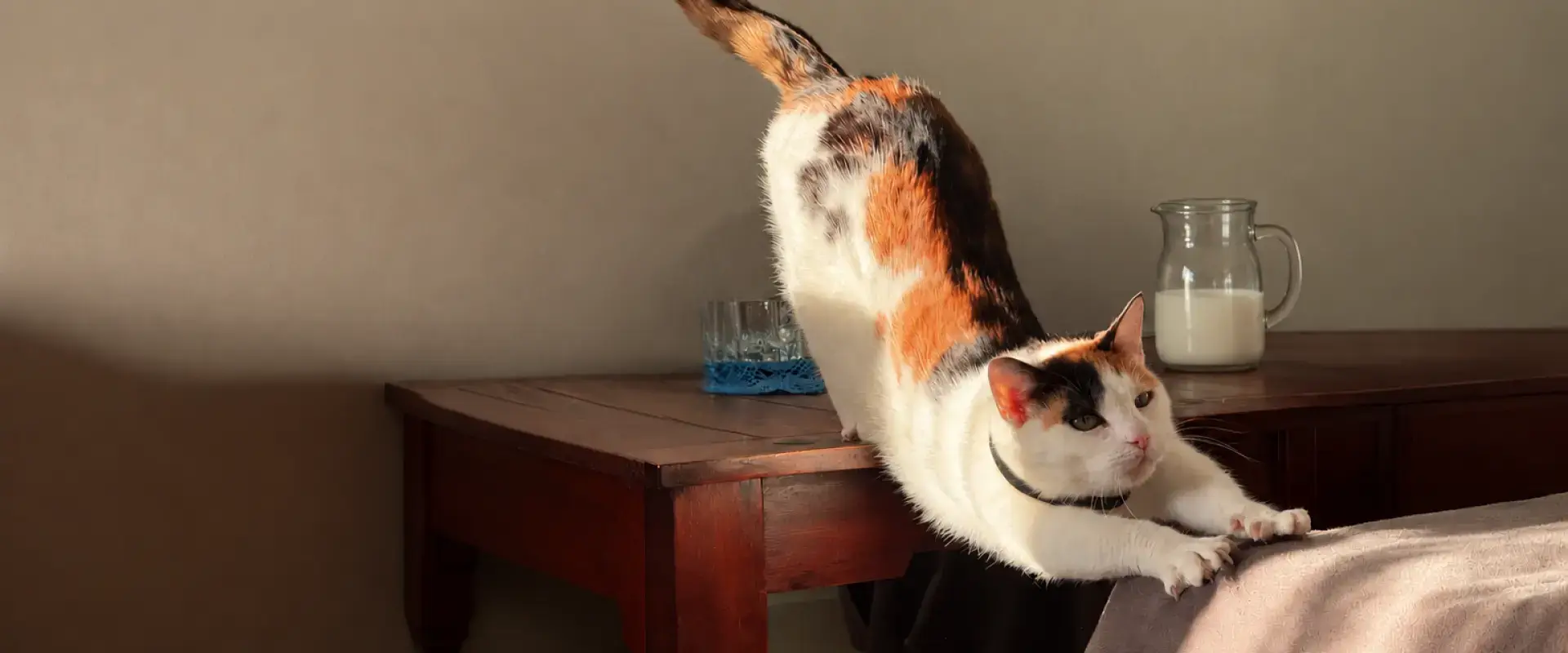
For generations, we’ve been led to believe that cats love milk, and that giving them a little is perfectly normal.
But just because something is familiar doesn’t mean it’s good for our feline friends. In fact, milk can upset a cat’s tummy, which is why it’s best avoided. Instead, make sure your cat always has clean, fresh drinking water.
Let’s explore why milk isn’t a good choice for cats, what they should drink instead, and what milk kittens need.
Table of contents
- Is milk good for cats?
- What should cats drink instead?
- What milk should kittens drink?
- How pet insurance can support your cat’s health
Is milk good for cats?
No. Milk is best avoided because it can cause gastrointestinal upsets. Put simply, that means an upset tummy.
Cats are obligate carnivores, which means they depend on the nutrients provided by a diet based on prey animals. Your vet can help you find a complete and balanced diet suited to your cat’s life stage and health status, with suitable treats only offered occasionally.
So, when it comes to what your cat drinks, it’s best to skip the milk altogether and make sure clean, fresh drinking water is available at all times.
What should cats drink instead?
Good old-fashioned water! Make sure your cat always has clean, fresh drinking water available.
What milk should kittens drink?
Ideally, kittens should drink their mother’s milk until they’re weaned. Her first milk, known as colostrum, is vital for the health and development of newborn kittens.
As kittens grow, they start to eat food on their own while drinking less of their mother’s milk. Kittens naturally wean off their mother’s milk at around eight to 12 weeks of age. Where possible, let kittens wean naturally and introduce suitable solid food slowly.
Once kittens are weaned, don’t give them milk, as it can cause gastrointestinal upsets. Instead, make sure clean, fresh drinking water is available at all times.
What if a kitten can’t be fed by their mother?
If you’re caring for kittens who can’t be fed by their mother, contact your vet as soon as possible for advice.
How pet insurance can support your cat’s health
Keeping milk off the menu is one small way to look after your cat’s health. But as much as we’d love to keep our furry family members safe from everything, even the most careful pet parents can’t prevent every accident or illness.
That’s where pet insurance can lend a helping paw, by covering some of the costs of eligible vet treatment when your cat needs it most.
If you’ve been thinking about pet insurance for your cat, an RSPCA Pet Insurance policy could be worth exploring. You can customise your cover to suit your cat’s needs and your budget, with annual cover limits up to $35,000, benefit percentage options up to 90%, a zero excess option, and a wide range of optional extras.
And there’s another reason to feel good about your choice: when you insure with RSPCA Pet Insurance, you’re also supporting the RSPCA’s vital work and helping to provide care and resources to animals in need.
To learn more about how RSPCA Pet Insurance could support you and your cat, explore our cat insurance. Or, if you’re ready to take the next step, you can fetch a commitment-free pet insurance quote online.
Disclaimer
As with any insurance, terms, conditions, and exclusions apply. Please read the Product Disclosure Statement to make sure this cover suits your needs.
References
[1] RSPCA Australia. What should I feed my cat? RSPCA Knowledgebase. Available from: https://kb.rspca.org.au/knowledge-base/what-should-i-feed-my-cat/
[2] RSPCA Australia. What should I feed my kitten? RSPCA Knowledgebase. Available from: https://kb.rspca.org.au/knowledge-base/what-should-i-feed-my-kitten/
[3] RSPCA Australia. How do I care for newborn kittens and their mother? RSPCA Knowledgebase. Available from: https://kb.rspca.org.au/categories/companion-animals/cats/kittens/how-do-i-care-for-newborn-kittens-and-their-mother
FAQs
It’s best to avoid giving your cat milk, as it can cause gastrointestinal upsets. Instead, make sure your cat has clean, fresh drinking water available at all times.
No. Milk can cause gastrointestinal upsets, so it’s best not to give it to kittens. Kittens naturally wean off their mother’s milk at around eight to 12 weeks of age. If a kitten can’t be fed by their mother, speak to your vet as soon as possible.