Facts & fun

Some pets are happiest stretched out in a sunny spot. Others disappear under a pile of blankets or claim the highest perch in the house. And then there are those who simply won’t settle unless they’re curled up beside you.
While your pet’s favourite nap spot isn’t a personality test, it can offer a few clues about what makes them feel safe, comfortable, and relaxed. After all, dogs and cats spend a big part of their day sleeping, so it’s no surprise they gravitate towards the places where they feel most at ease.
Let’s take a closer look at some of the most common nap spots and what they might reveal about your furry family member’s preference and comfort needs.
Table of contents
- 1. The sun seeker
- 2. The blanket burrower
- 3. The observer
- 4. The hidden sleeper
- 5. The velcro pet
- 6. The spot hopper
- 7. What your pet’s sleeping habits can tell you about their health and wellbeing
- 8. How RSPCA Pet Insurance can support you and your pet
1. The sun seeker
If your pet follows the sunshine from room to room, chances are they’re simply looking for a warm, comfortable place to rest. Cats are especially known for this behaviour, but many dogs enjoy soaking up the sun too.
A pet who happily naps out in the open often feels relaxed and secure in their surroundings. Just keep in mind that sunny spots, particularly near windows can become quite warm, so make sure your pet always has access to a cooler place if they need it.
2. The blanket burrower
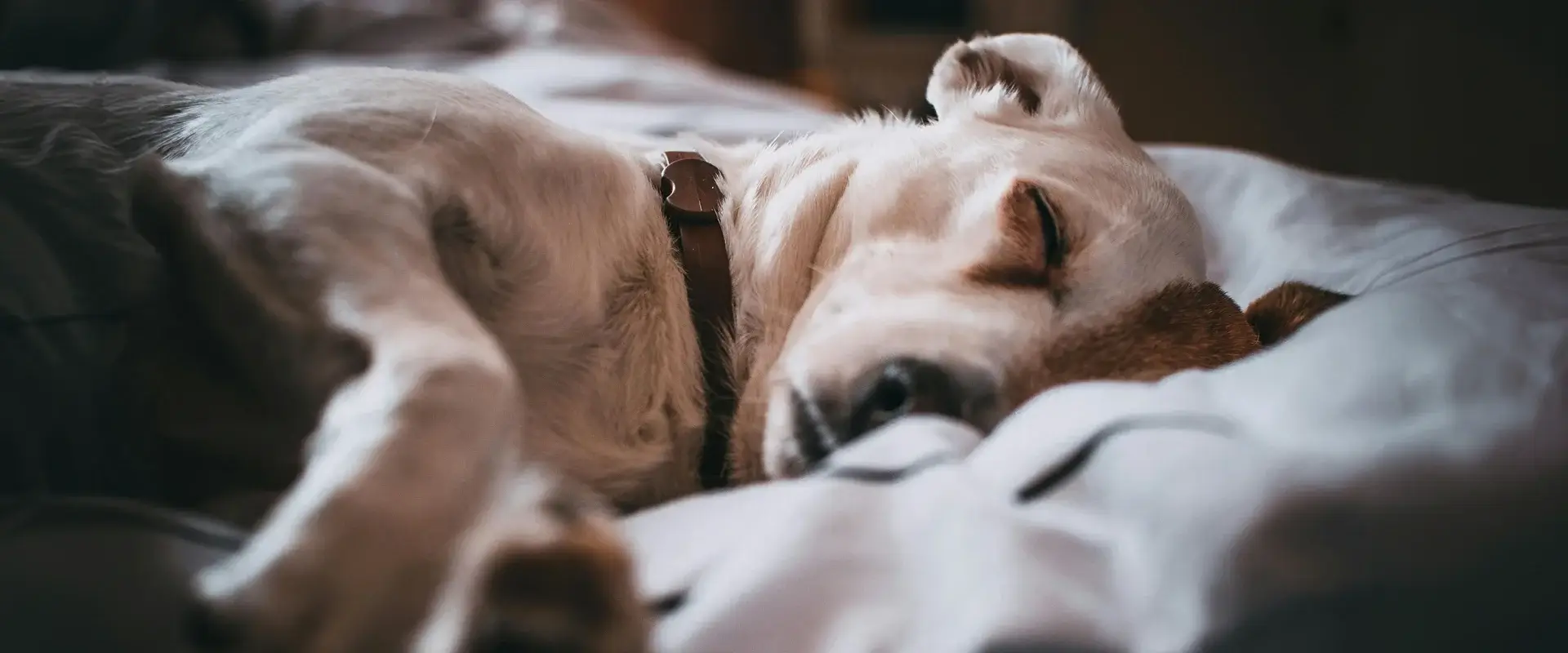
Does your dog disappear under the duvet before you’ve even made the bed? Or maybe your cat has claimed the washing basket as the cosiest place in the house.
Burrowing is a natural behaviour for many pets. Warm, enclosed spaces can help them feel safe and comfortable, especially during cooler weather. Just make sure your pet can easily move away if they become too warm and that blankets or bedding don’t restrict their movement.
3. The observer
Some pets prefer to sleep where they can keep an eye on what’s happening around them. For cats, that might be the top of a scratching post, a bookshelf, or a windowsill. For dogs that might be a raised dog bed, a couch, or another comfortable spot with a good view of their surroundings.
These pets often enjoy knowing what’s going on around them. Having a quiet place to observe the household can help them feel relaxed and settled.
4. The hidden sleeper
If your pet likes curling up under the bed, behind the couch, or inside a cupboard, don’t worry. Many cats and dogs naturally seek out small, sheltered spaces when they want to rest undisturbed. These cosy hideaways help them feel safe and secure.
That said, if your usually social pet suddenly starts hiding more than normal, or begins sleeping much more than normal, it’s worth checking in with your vet to rule out any underlying health issues. Changes in behaviour (including sleeping habits) can sometimes be a sign that something isn’t quite right.
5. The velcro pet
Some pets don’t really have a favourite nap spot. Instead, they prefer to sleep wherever you are. If your dog curls up against your feet while you work or your cat claims your lap every evening, it may simply be a sign that they enjoy your company and feel comfortable around you. For many pets, being close to their favourite person is the cosiest place of all.
Of course, every pet is different. Some love constant companionship, while others are perfectly happy enjoying their own space. Both are completely normal.
The important thing is that your pet feels comfortable spending time both with you and on their own. If they become distressed when left alone, even for short periods, it could be a sign of separation-related issues. If you’re concerned, speak to your vet, who may be able to offer advice or refer you to a qualified behaviour professional for further support.
6. The spot hopper
Some pets like to mix things up when it comes to where they sleep. They might spend the morning stretched out in a sunny patch on the floor, move to a shady corner in the afternoon, and then curl up on the sofa in the evening. Some pets may also stick to one sleeping spot for a while before moving on to another.
This is usually completely normal. Pets often change sleeping spots based on factors such as temperature, noise levels, sense of safety and security, comfort, where their favourite people are, or where their favourite bed has been placed. Having a range of safe, comfortable resting places available allows them to choose the spot that best suits their needs at any given moment.
What your pet’s sleeping habits can tell you about their health and wellbeing
Where your pet sleeps is mostly about comfort, warmth, and feeling safe. However, it’s worth paying attention if their usual sleeping location or habits change, as this can sometimes provide clues about their health or wellbeing.
For example, pets may change where they sleep in response to changes in the household, such as when a new pet or baby joins the family, when guests are visiting and noise levels are higher than usual, when furniture is rearranged, or when seasonal changes affect the temperature and comfort of different areas of the home.
Age can also influence sleeping spot preferences. Older pets may also choose different resting places if arthritis, reduced mobility, or other age-related changes make their usual spots less comfortable or harder to reach. Making sure they have easy access to comfortable, well-padded resting areas can help support their comfort as they age.
Sudden changes in sleeping habits can also be worth investigating. If your usually energetic dog starts sleeping all day, your cat begins hiding when they never used to, or your pet seems restless and struggles to settle, it’s worth speaking to your vet. While these changes don’t always indicate a health problem, it’s best to have them checked if you’re concerned.
How RSPCA Pet Insurance can support you and your pet
Whether your pet prefers the warmest patch of sun or the cosiest spot beside you, keeping an eye on changes in their behaviour, including where and how they sleep, is an important part of looking after their health and wellbeing.
If your pet needs vet treatment, pet insurance may help provide peace of mind and alleviate some of the financial pressure.
With RSPCA Pet Insurance, you can customise your cover to suit your pet and budget, while also supporting vital RSPCA animal welfare initiatives across Australia, including rescue, rehab, and rehoming efforts. To learn more about how RSPCA Pet Insurance could support you and your pet, click here. Or, if you’re ready to take the next step, you can fetch a commitment-free pet insurance quote online.
Disclaimer
As with any insurance, terms, conditions and exclusions apply. Please read the Product Disclosure Statement (PDS) to make sure this cover suits your needs.
References
[1] RSPCA Australia. How can pain be recognised and monitored in cats? RSPCA Knowledgebase. Available from: https://kb.rspca.org.au/categories/companion-animals/cats/caring-for-my-cat/how-can-pain-be-recognised-and-monitored-in-cats
[2] RSPCA Australia. What can I do if my dog is anxious when I’m not at home? RSPCA Knowledgebase. Available from: https://kb.rspca.org.au/categories/companion-animals/dogs/behaviour/what-can-i-do-if-my-dog-is-anxious-when-im-not-at-home
[3] RSPCA Australia. How can I keep my cat safe and happy at home? RSPCA Knowledgebase. Available from: https://kb.rspca.org.au/categories/companion-animals/cats/caring-for-my-cat/how-can-i-keep-my-cat-safe-and-happy-at-home
[4] RSPCA Pet Insurance. Product Disclosure Document. RSPCA Pet Insurance; 2026. Available from: https://rspcapetinsurance.org.au/product-disclosure-statement/
FAQs
Just like us, pets like to sleep where they feel comfortable, safe, and relaxed. Some are drawn to warm, sunny spots, while others prefer enclosed, secure spaces or somewhere close to their favourite people. A favourite nap spot often reflects what helps your pet feel most at ease.
Your pet’s choice of sleeping location can offer a few clues about their preferences and what helps them feel comfortable, and secure. Some pets enjoy sleeping out in the open, while others prefer quiet, sheltered spots where they can rest undisturbed. Cats often enjoy resting in elevated locations that allow them to observe their surroundings, while many dogs enjoy sleeping on a bed or couch to stay close to their people. Every pet is an individual, and their favourite sleeping spot is usually influenced by factors such as the comfort of the surface, temperature, safety and security, as well as your pet’s age, health, and learned preferences.
Cats naturally seek out warm, quiet, and comfortable places where they can rest without being disturbed. Boxes, cupboards, under the bed, and cosy corners can all provide a sense of safety and security, which is why many cats choose to sleep there. Such sleeping preferences are usually completely normal. However, if your cat suddenly starts hiding more than usual or shows other behavioural changes, it’s worth speaking to your vet to rule out any underlying health issues, as increased hiding can sometimes indicate illness, pain, or stress.
Yes. Many dogs move between sleeping spots depending on the time of day, the temperature or where the family is. Changes in sleeping habits are often harmless. However, if your dog suddenly seems restless, starts sleeping much more than usual, or struggles to get comfortable, it’s worth speaking with your vet.
A change in your pet’s behaviour, including sleeping habits can sometimes be a sign that they’re unwell. If your vet recommends treatment for a covered illness or injury, RSPCA Pet Insurance may help with eligible vet costs, depending on your level of cover, your policy terms, and any applicable exclusions or exclusion periods. Plus, every RSPCA Pet Insurance policy helps support vital RSPCA animal welfare initiatives across Australia, including rescue, rehab, and rehoming efforts.
As with any insurance, terms, conditions and exclusions apply. Please read the Product Disclosure Statement (PDS) to make sure this cover suits your needs.