Health & wellness

This article provides general information only and is not a substitute for personalised veterinary advice. Always speak with your vet about your pet’s individual health needs. Accurate as at 23 October 2026.
Some of the most common plants that are toxic to pets could be growing in your garden, sitting on your windowsill, or even arriving in your next bouquet. Depending on the plant, exposure can cause anything from vomiting to serious illness and, in some cases, it can be fatal.
Here’s a guide to some of the plants to keep an eye on, the signs of plant poisoning, and a few simple ways to help keep your pet safe around plants.
Table of contents
- Why are some plants toxic to pets?
- Why lilies are so toxic to cats
- Common plants that are toxic to pets
- Signs your pet may have eaten a toxic plant
- What to do if you think your pet has been exposed to a toxic plant
- How to help keep your pet safe around plants
- How pet insurance can help if your pet needs vet care
Why are some plants toxic to pets?
Pets are curious by nature. Whether it’s a dog having a nibble in the garden or a cat investigating a new houseplant, their love of exploring can sometimes land them in trouble.
Some plants contain naturally occurring substances that can be harmful to pets if they eat them or are exposed to them in other ways, with reactions ranging from an upset tummy to serious illness. And what’s dangerous for one pet might not be as harmful to another. Lilies, for example, are extremely toxic to cats, while some varieties are less harmful to dogs.
The tricky part? Not every potentially harmful plant appears on a toxic plant list. So, if you’re unsure whether a plant may be harmful to your pet, it’s always best to check with your vet before letting your furry companion get too close.
Why lilies are so toxic to cats
If you share your home with a cat, lilies are one plant to be especially careful around. In fact, true lilies (Lilium species) and daylilies (Hemerocallis species) are extremely toxic to cats. Examples include Easter, Asiatic, tiger, and stargazer lilies, as well as daylilies.
All parts of these plants are toxic, including the petals, leaves, stems, pollen, and even the water in the vase. A cat can be poisoned simply by brushing past a flower and then licking the pollen off their fur while grooming. A cat may also be exposed to toxic pollen that has fallen onto other surfaces and then ingest it later while grooming their paws or fur.
Even a small exposure can cause kidney failure, which can develop within 12 to 72 hours of ingestion and can be fatal. That’s why lily toxicity in cats is an emergency. If you suspect your cat has had any contact with a lily, take them to the vet immediately. Recognising the problem early and getting prompt treatment are essential.
Other plants with ‘lily’ in their name can also be toxic, but they may cause different effects. For example, calla lilies can cause irritation of the mouth, but they aren’t associated with the same kidney failure as true lilies and daylilies.
The safest approach is to make sure your cat can’t access lilies at all, whether they’re cut flowers, potted plants, or growing in the garden.
Common plants that are toxic to pets
Lilies aren’t the only plants to watch out for. From garden favourites to indoor greenery, some surprisingly common plants can be toxic to pets. Here are a few to keep on your radar. And remember, this isn’t a complete list, so it’s always worth checking whether a plant may be harmful to your pet before bringing it home.
In the garden
Many poisonous plants for dogs and cats are commonly found in gardens across Australia, including:
- Yesterday-today-and-tomorrow (Brunfelsia): can cause fever, vomiting, and seizures
- Castor oil plant (castor bean): all parts of the plant are toxic
- Cycads: the seeds are particularly toxic
Other garden plants include azaleas, rhododendrons, daffodils, oleander, foxglove, lantana, wisteria, and hyacinths.
Indoor plants
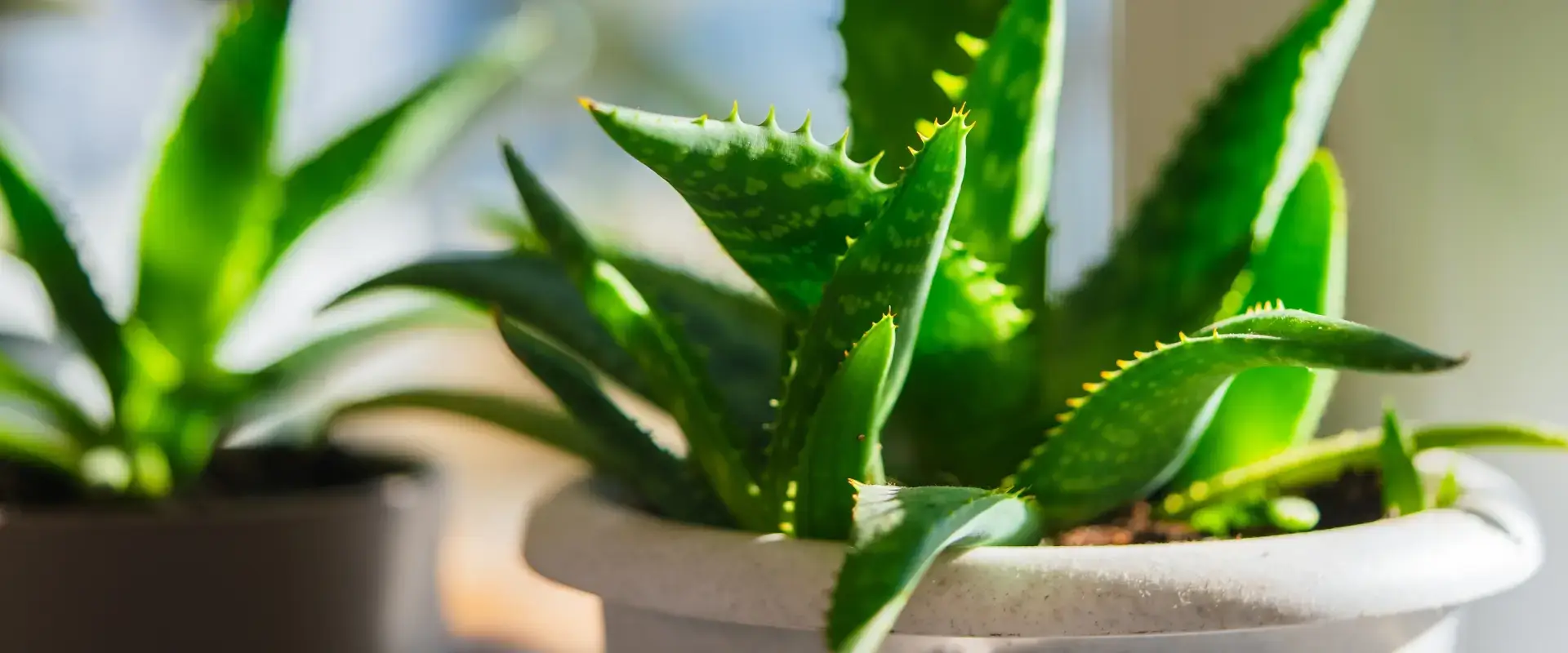
Houseplants can bring a lovely touch of greenery to your home, but not all of them are safe for pets. Common indoor plants that can be toxic to pets include aloe vera, mother-in-law’s tongue, jade plant, pencil cactus, kalanchoe, dracaena, and asparagus fern, as well as plants like dieffenbachia (also known as dumb cane) and elephant ear.
Cut flowers
A beautiful bunch of flowers can brighten up any room, but some blooms can pose a risk to cats. Along with lilies, flowers like daffodils, tulips, hyacinths, irises, gladioli, and amaryllis can also be toxic to cats.
So, before popping that lovely bouquet in a vase, it’s worth checking what’s in it to help keep your feline friend safe.
Signs your pet may have eaten a toxic plant
The signs of plant poisoning can vary depending on the type of plant, the type of exposure, and how much your pet has ingested. Some common signs to watch out for include:
- Vomiting
- Diarrhoea
- Drooling
- Tummy (abdominal) pain
- Loss of appetite
- Lethargy (low energy)
- Increased thirst
- Changes in urination
- Fever
- Seizures
- Changes in usual habits or behaviour
Signs of plant poisoning aren’t always immediate, and your pet may seem perfectly fine for hours or even days after being exposed to a toxic plant. That’s why it’s important to act quickly. Prompt diagnosis and treatment can make a real difference to the outcome. If you know or suspect your pet has been exposed to, or ingested, a toxic plant, don’t wait for symptoms to appear. Contact your vet straight away.
What to do if you think your pet has been exposed to a toxic plant
Try not to panic, but do act quickly:
- Contact your vet straight away: if your regular vet is closed, contact your local emergency vet. You can also contact the Animal Poisons Helpline.
- Don’t treat at home: don’t give your pet anything to eat or drink, and don’t try to make them vomit unless your vet specifically tells you to.
- Bring a sample or take a photo: if it’s safe to do so, take a sample of the plant, along with anything your pet has chewed or vomited, in a sealed plastic bag. If you can’t safely take a sample, take clear photos of the plant instead. This can help your vet confirm what they’re dealing with.
How to help keep your pet safe around plants
Looking out for your pet doesn’t have to be complicated. When it comes to plant poisoning, a few simple habits can help keep your pet out of harm’s way:
- Check before you plant or buy: if you’re unsure whether a plant may be harmful to your pet, have a chat with your vet before bringing it home or letting your pet near it.
- Avoid keeping plants you know are toxic to pets: if you have cats, it’s safest not to keep lilies in or around your home at all.
- Look over bouquets before they come inside: check for lilies and other flowers or plants that may be toxic to pets. If friends or family regularly bring flowers to your home, ask them to avoid including plants that may be harmful to your pets.
- Keep your garden tidy: regularly remove fallen fruit and fruit stones, berries, and seeds, as some can contain toxic substances or cause intestinal blockages if swallowed.
How pet insurance can help if your pet needs vet care
Knowing which plants are toxic to pets is a great first step towards keeping your pet safe. But even with the best precautions in place, unexpected accidents (including exposure to toxic plants) can sometimes get the better of us.
The good news? With the right pet insurance policy, you may not have to face unexpected vet costs on your own.
For instance, RSPCA Pet Insurance covers eligible injuries and illnesses, while allowing you to customise your policy to suit your pet’s needs and your budget. Every policy also contributes to the RSPCA’s vital animal welfare work. So, while you’re helping to protect your own pet, you’re also making a difference for animals in need across Australia.
To learn more about how RSPCA Pet Insurance could support you and your pet, click here. Or, if you’re ready to take the next step, you can fetch a commitment-free pet insurance quote online.
Disclaimer
As with any insurance, terms, conditions, and exclusions apply. Please read the Product Disclosure Statement to make sure this cover suits your needs.
References
[1] RSPCA Australia. Where can I find out about plants that might be poisonous for my pets? RSPCA Knowledgebase. Available from: https://kb.rspca.org.au/knowledge-base/where-can-i-find-out-about-plants-that-might-be-poisonous-for-my-pets/
[2] RSPCA Australia. Are lilies toxic to cats? RSPCA Knowledgebase. Available from: https://kb.rspca.org.au/knowledge-base/why-are-lilies-extremely-toxic-to-cats/
[3] RSPCA Australia. What garden dangers must I protect my pet from? RSPCA Knowledgebase. Available from: https://kb.rspca.org.au/knowledge-base/what-garden-dangers-must-i-protect-my-pet-from/
[4] RSPCA Australia. What are common household dangers for pets? RSPCA Knowledgebase. Available from: https://kb.rspca.org.au/knowledge-base/what-are-common-household-dangers-for-pets/
[5] RSPCA Australia. Keeping my pet safe from garden dangers. Available from: https://www.rspca.org.au/latest-news/blog/keeping-my-pet-safe-garden-dangers/
[6] Agriculture Victoria. Toxic plants for dogs. Victorian Government. Available from: https://agriculture.vic.gov.au/livestock-and-animals/animal-welfare-victoria/dogs/health/toxic-plants-for-dogs
[7] Agriculture Victoria. Toxic plants for cats. Victorian Government. Available from: https://agriculture.vic.gov.au/livestock-and-animals/animal-welfare-victoria/cats/health/toxic-plants-for-cats
[8] Agriculture Victoria. Common dog poisons. Victorian Government. Available from: https://agriculture.vic.gov.au/livestock-and-animals/animal-welfare-victoria/dogs/health/common-dog-poisons
[9] Agriculture Victoria. Common cat poisons. Available from: https://agriculture.vic.gov.au/livestock-and-animals/animal-welfare-victoria/cats/health/common-cat-poisons
[10] Merck Veterinary Manual. Houseplants and ornamentals toxic to animals. Available from: https://www.merckvetmanual.com/toxicology/poisonous-plants/houseplants-and-ornamentals-toxic-to-animals
[11] Cornell University College of Veterinary Medicine. First-aid for poisonous substances. Available from: https://www.vet.cornell.edu/departments-centers-and-institutes/riney-canine-health-center/canine-health-topics/first-aid-poisonous-substances
[12] Animal Poisons Helpline. Available from: https://www.animalpoisons.com.au/
FAQs
Yes, lilies are extremely toxic to cats. True lilies (Lilium species) and daylilies (Hemerocallis species) are particularly dangerous. Every part of these plants is toxic to cats, including the petals, leaves, stems, pollen, and even the water in the vase. Just a small exposure can cause serious kidney damage or kidney failure.
Other plants with ‘lily’ in their name, such as calla lilies, can also be harmful to cats, although they affect them differently.
If you think your cat has been exposed to any part of a lily, don’t wait for signs to appear. Get them to a vet immediately.
Yes, some lilies can be toxic to dogs, although they generally don’t pose the same risk as they do to cats. The effects depend on the type of lily. While dogs don’t appear to develop the severe kidney failure seen in cats exposed to true lilies, some lily species can still cause gastrointestinal upset and lead to other health problems. If your dog has ingested any part of a lily, or another plant you’re unsure about, it’s best to contact your vet for advice.
If you suspect your pet has been exposed to or ingested a toxic plant, contact your vet or your nearest emergency vet. You can also contact the Animal Poisons Helpline for advice on potential poisoning risks. Even if your pet seems perfectly fine, some signs of poisoning can take hours or even days to appear. Don’t try to make your pet vomit unless your vet specifically tells you to. If it’s safe, take a photo or bring a sample of the plant with you to help your vet identify what your pet has eaten or been exposed to.
Not necessarily. While toxic plant lists are a helpful starting point, they may not cover every plant that could be harmful to your pet. If you’re unsure whether a plant may be harmful to your pet, check with your vet before bringing it into your home or garden.