Facts & fun

This article provides general information only and is not a substitute for personalised veterinary advice. Always speak with your vet about your pet’s individual health needs. Accurate as at 23 October 2026.
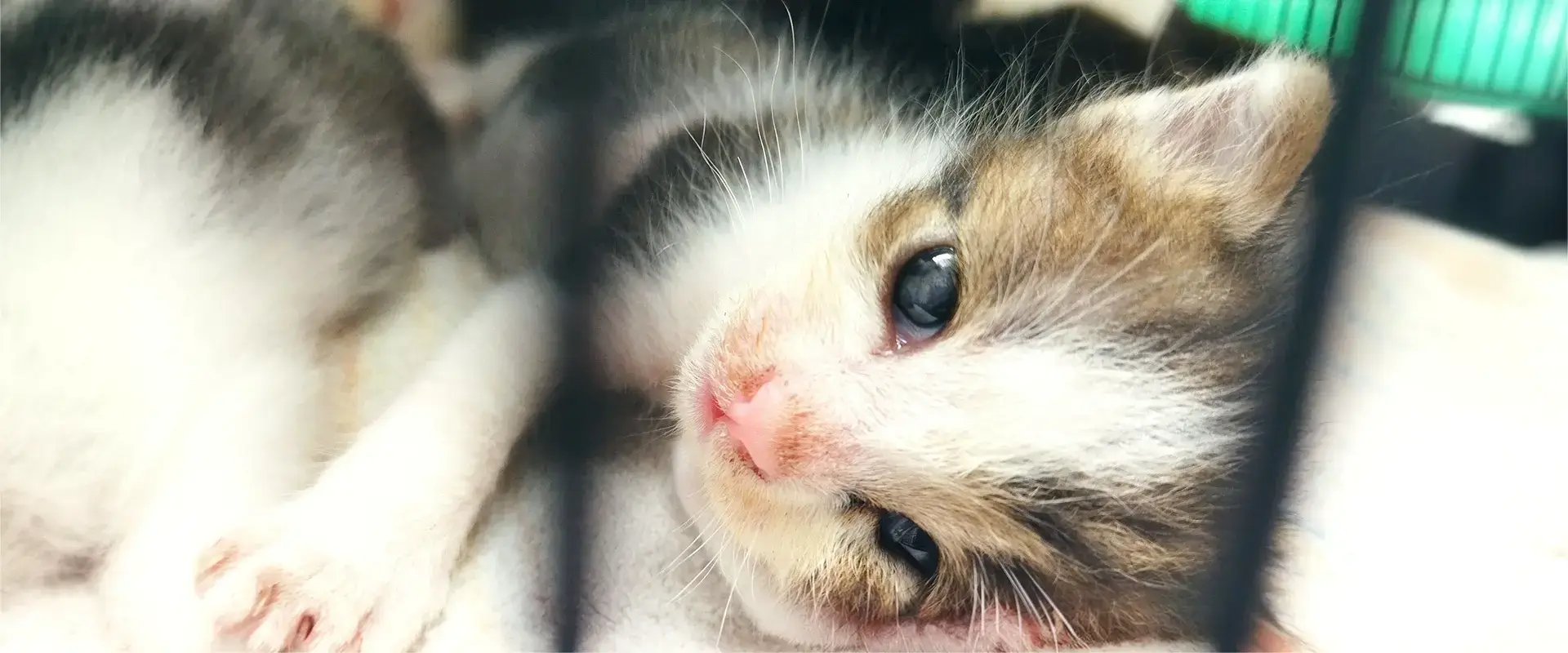
The world is a big place for a tiny kitten. And for the first week or so, it’s a world they haven’t even seen yet! Most kittens begin opening their eyes at around one to two weeks old, with both eyes usually fully open by about two weeks of age. But opening their eyes is just one of many milestones in their early development.
There’s a lot that happens in those first few weeks. Here’s a look at how your kitten’s eyes develop, when their eye colour might change, and the signs that mean it’s time to check in with your vet.
Table of contents
- When do kittens open their eyes?
- Kitten eye development, week by week
- When do kittens’ eyes change colour?
- Caring for newborn kittens
- When to call your vet about your kitten’s eyes
- Wide-eyed and growing: how pet insurance can help support your kitten
When do kittens open their eyes?
Kittens arrive in the world with their eyes firmly shut. And while they might not be ready to take in the sights just yet, that doesn’t last long. Most kittens begin opening their eyes within seven to 14 days of birth, although every kitten develops at their own pace.
You might even notice one eye opening before the other. That’s perfectly normal, and both eyes are usually fully open by around two weeks of age. If your kitten’s eyes haven’t opened by 14 days, it’s worth contacting your vet for advice to make sure everything’s developing as it should.
Kitten eye development, week by week
From opening their eyes for the first time to becoming more confident and independent, kittens go through many important developmental milestones in their first few weeks of life. Every kitten grows at their own pace, so think of these milestones as a helpful guide rather than a strict timetable.
Birth to one week
At this stage, your kitten’s world is all about warmth, milk, and being close to mum. Newborn kittens are born with their eyes closed and can’t see yet. During these early days, their mother’s first milk, known as colostrum, provides important antibodies that help protect kittens against infections while their immune systems are still developing.
One to two weeks
This is when most kittens begin to open their eyes, usually during their second week. By around two weeks of age, they’re becoming more alert and starting to move around more confidently.
Their vision is still developing, though, so they won’t be seeing the world clearly just yet. This is also the beginning of an important stage in their social development. As kittens grow, gentle, positive interactions with people, their littermates, and everyday sights and sounds can help them grow into confident, well-adjusted adult cats.
Three to four weeks
With their eyes open and their coordination continuing to improve, kittens are ready to start exploring more of the world around them. At around three and a half to four and a half weeks, they may begin showing an interest in solid food. And by about four weeks, many kittens are learning to walk, run, and play.
Five to eight weeks
During this stage, kittens become more independent, more playful, and increasingly curious about everything around them. Weaning usually happens gradually, with many kittens fully weaned by around eight weeks of age. Kittens should stay with their mother and littermates until they’re at least eight weeks old and fully weaned before moving to their new home.
Eight weeks and beyond
By now, your kitten’s eyes are wide open, but their eyesight will keep developing as they grow. As they become more active and confident, kittens spend more time exploring their surroundings, interacting with people and littermates, and learning about the world around them.
When do kittens’ eyes change colour?
Most kittens are born with blue eyes, but as they grow, their eye colour can begin to change. This usually happens over the first couple of months as their bodies produce more melanin, the pigment that gives eyes their colour.
As your kitten gets older, their eyes might turn green, yellow, orange, or brown. Some cats, of course, keep their blue eyes into adulthood. So, if you notice your kitten’s eyes looking a little greener or more golden, it could simply be another part of their normal development.
Caring for newborn kittens
Caring for newborn kittens is a big responsibility, but a little preparation and plenty of gentle care can help give them a healthy start.
If you’re looking after a mother cat and her litter, here are a few things to keep in mind:
- Give mum and her kittens some peace and quiet. Keep them in a calm, comfortable space away from other cats to help reduce stress and the risk of infections.
- Avoid unnecessary intervention. While it’s important to monitor the health of the mother cat and her kittens, try not to handle or disturb them more than necessary during their first few weeks. Excessive human interference can cause stress, affect the mother’s ability to care for her kittens, and disrupt normal development. If you’re concerned about a kitten’s health or development, or you’re unsure whether they’re progressing as expected, contact your vet for advice.
- Keep the environment warm, clean, and cosy. Newborn kittens can’t regulate their body temperature very well, so a suitably warm, hygienic environment with good airflow is essential.
- Introduce new experiences slowly. Gentle handling and a gradual introduction to everyday sights and sounds can help build their confidence. Keep handling appropriate for their age.
- Stay on top of their health needs. Chat with your vet about vaccinations, worming, parasite prevention, microchipping, and desexing. Your vet can help you work out the most appropriate timing for these preventative health measures as your kitten grows, based on their individual circumstances.
It’s also worth remembering that newborn kittens are particularly vulnerable to health problems, including infections, hypothermia (low body temperature), hypoglycaemia (low blood sugar), and dehydration. If you have any concerns about a kitten’s health, behaviour, or development, contact your vet for advice.
When to call your vet about your kitten’s eyes
Most kittens open their eyes without any trouble. But sometimes, their eyes may need a bit of extra attention.
It’s a good idea to contact your vet for advice if you notice:
- Your kitten’s eyes haven’t opened by 14 days of age
- Swelling, bulging, or discharge beneath their closed eyelids
- Eyes that look very red or irritated
- Unusual or discoloured discharge from the eyes
- Frequent squinting or excessive pawing at the eyes
- Any other unusual changes in their behaviour or development
If something doesn’t seem quite right, it’s always better to check in with your vet rather than wait and see. And while it might be tempting to help those tiny eyelids along, never try to force your kitten’s eyes open. Your vet can take a closer look, work out what’s going on, and recommend the right care to help keep your kitten comfortable and healthy. They can also help you understand what’s normal for your kitten’s age and what might need vet attention.
Wide-eyed and growing: how pet insurance can help support your kitten
From those first sleepy blinks to becoming a curious young cat, your kitten has plenty of growing and discovering ahead. And as they grow, their health needs will change too. With new milestones, adventures, and the occasional mishap on the horizon, it might be worth considering pet insurance to help prepare for the unexpected.
Pet insurance is designed to help cover a portion of your eligible vet bills, so you don’t have to face all the costs alone. It also helps ensure that you can say yes to getting your kitten the care they need if they become ill or injured unexpectedly.
If you’re curious to learn more about pet insurance and how it can support you and your kitten, RSPCA Pet Insurance offers cover you can customise to your kitten’s needs and your budget. Every policy also contributes to the RSPCA’s vital animal welfare work. So, while you’re helping to protect your own feline friend, you’re also making a difference for thousands of animals in need across Australia.
To learn more about what RSPCA Pet Insurance has to offer, click here. Or, if you’re ready to take the next step, you can fetch a commitment-free pet insurance quote online.
Disclaimer
As with any insurance, terms, conditions and exclusions apply. Please read the Product Disclosure Statement to make sure this cover suits your needs.
References
[1] RSPCA Australia. How do I care for newborn kittens and their mother? RSPCA Knowledgebase. Available from: https://kb.rspca.org.au/categories/companion-animals/cats/kittens/how-do-i-care-for-newborn-kittens-and-their-mother
[2] RSPCA Australia. The smart kitten and cat buyer’s guide: helping you make the right decisions. Available from: https://kb.rspca.org.au/wp-content/uploads/2024/07/Smart-Kitten-and-Cat-Buyers-Guide-2024.pdf
[3] RSPCA Australia. How should I look after my new kitten? RSPCA Knowledgebase. Available from: https://kb.rspca.org.au/knowledge-base/how-do-i-care-for-my-new-kitten
[4] VCA Animal Hospitals. Raising kittens. Available from: https://vcahospitals.com/ponti/know-your-pet/kitten-raising-kittens
[5] PetMD. When do kittens open their eyes? Available from: https://www.petmd.com/cat/general-health/when-do-kittens-open-their-eyes
FAQs
Most kittens start opening their eyes between seven and 14 days after birth, with both eyes usually fully open by around two weeks of age. Every kitten develops at their own pace, though, so don’t be surprised if one little eye peeks open before the other.
Not at first. Kittens are born with their eyes closed. Once those little eyes open, they can start to see, but their eyesight keeps developing as they grow.
Most kittens are born with blue eyes, but those baby blues don’t always stick around! Over the first couple of months, their eye colour may begin to change as their bodies produce more melanin, the pigment responsible for eye colour. Their eyes might turn green, yellow, orange, or brown, although some cats keep their blue eyes into adulthood.
If your kitten’s eyes haven’t opened by 14 days of age, it’s best to contact your vet. Keep an eye out for swelling, bulging, redness, or unusual discharge, too. Your vet can check that everything’s developing as it should and recommend the right care.