
Facts & fun

This article provides general information only and is not a substitute for personalised veterinary advice. Always speak with your vet about your pet’s individual health needs. Accurate as at 9 October 2026.
Anyone who’s shared their home with a cat knows they’re full of surprises. One minute they’re dozing in the sun, the next they’re tearing across the lounge just as you’re heading to bed. Cats are wonderful, mysterious little characters who display a range of fascinating behaviours, and the more you understand them, the more you appreciate them.
So, let’s celebrate our feline friends. Here are some fun facts about cats that shed a little light on why they do the curious, clever, and occasionally baffling things they do.
Table of contents
- Cats are naturally most active at dusk and dawn
- Whiskers are an important sensory tool
- Cats have a natural need to scratch
- Slow blinking can be a sign of relaxation
- Cats use their whole body to communicate
- Cats can benefit from a familiar routine and environment
- Hunting is a natural instinct for cats
- Pet insurance and its role in your cat’s care
1. Cats are naturally most active at dusk and dawn
If your cat suddenly springs into action just as you’re settling down for the night, they’re not trying to keep you awake. They’re simply following their natural instincts.
Cats tend to be most active around dawn and dusk (a pattern known as crepuscular behaviour). It helps explain why playtime, exploring, and the occasional burst of zoomies can happen when the rest of the household is winding down.
Cats also love to sleep, and many will spend plenty of the day resting, especially when they’re home alone. Ensuring your cat has adequate opportunities for physical and mental stimulation, including regular play, interactions with you, environmental enrichment, and a consistent routine, can help encourage activity during the day and may help them settle more easily at night.
A longer play session before their final meal of the day may also help them expend energy and settle before bedtime, particularly if that meal is provided in a puzzle feeder.
2. Whiskers are an important sensory tool
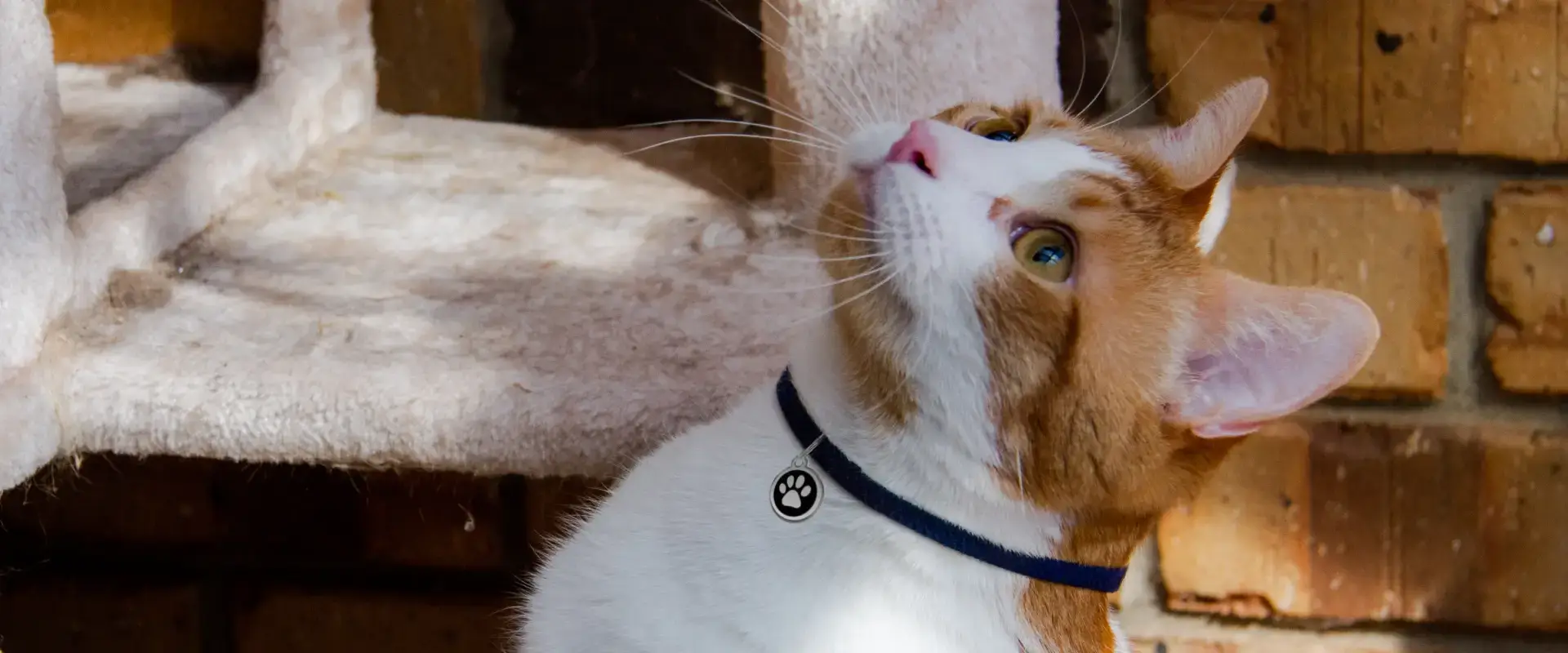
There’s much more to your cat’s whiskers than you may realise. They’re highly sensitive and help cats gather information about their surroundings, navigate spaces, and explore, particularly when the light is low.
Think of them as your cat’s built-in sensory system, helping them make sense of, and move confidently through, the world around them. While cats occasionally shed individual whiskers as part of the normal growth cycle, they should never be pulled out, trimmed, or cut.
3. Cats have a natural need to scratch
That scratched armrest isn’t necessarily a sign of bad behaviour. Scratching is a natural and important part of being a cat. It helps cats maintain their claws, mark their territory, and express emotions such as excitement or frustration.
Cats also have scent glands around their paw pads, so scratching can leave their scent behind and help them mark their surroundings.
Rather than discouraging this natural behaviour, give your cat suitable places to scratch, such as a sturdy scratching post that’s tall enough for a full-body stretch. Positioning scratching surfaces near areas your cat already likes to scratch may encourage them to use these instead. Positive reinforcement, such as offering praise or a treat when your cat uses these surfaces, can also help encourage appropriate scratching behaviour while helping to protect your furniture.
4. Slow blinking can be a sign of relaxation
Ever noticed your cat looking at you before slowly closing their eyes? Cats communicate a lot through their facial expressions, so paying attention to their eyes, ears, and whiskers can offer clues about how they’re feeling.
A soft, slow blink can be a sign that your cat is feeling relaxed and comfortable. As with any body language signal, it’s important to consider it alongside your cat’s overall posture and behaviour. You can even try slowly blinking back and see how they respond.
5. Cats use their whole body to communicate
Cats have plenty of ways to tell us how they’re feeling, although their signals can sometimes be subtle. Rather than relying on one gesture alone, looking at their body language as a whole, and considering the context of the situation, can give you a better sense of what they might be trying to communicate.
Pay attention to your cat’s eyes, ears, tail, and overall posture. A swishing tail, purring, or changes in ear positioning, for example, can mean different things depending on what else is happening. Learning to recognise these signals can help you better understand your cat, respond appropriately to their needs, and help strengthen the bond you share.
6. Cats can benefit from a familiar routine and environment
Cats can become accustomed to routines, from regular mealtimes and play sessions to their favourite places to rest. A consistent, predictable routine and environment can help cats feel safe and secure and provide them with a greater sense of control over their surroundings. Even relatively small changes, such as rearranging furniture, moving resources like scratching posts or beds, or introducing a new pet or a person to the household, can be unsettling for some cats.
Keeping their routine and environment as consistent as possible, and introducing changes gradually, can help your cat feel more comfortable as they go about their day.
7. Hunting is a natural instinct for cats
The domestic cat is a predatory species, so even a well-fed house cat still has natural hunting instincts. Behaviours such as stalking, chasing, and pouncing are all part of being a cat, which is why opportunities to express these behaviours through play and enrichment are so important. Keeping cats safely contained at home can help prevent them from hunting wildlife, but it doesn’t remove their natural motivation to hunt.
Puzzle feeders, hiding small portions of food for your cat to find, and regular play sessions using safe toys cats can stalk, chase, pounce on, and grab can provide healthy outlets for natural hunting behaviours. This also helps protect wildlife, keeps cats mentally and physically stimulated, and reduces the risk of boredom and frustration.
When choosing toys, make sure they’re appropriate for your cat and supervise play with anything that could be chewed or swallowed.
Pet insurance and its role in your cat’s care
Getting to know your cat’s behaviours and quirks can help you better understand their needs, including when something doesn’t seem quite right. If your cat becomes unexpectedly ill or injured, pet insurance can help with eligible vet costs, depending on your chosen cover and the terms of your policy.
If you’re considering insuring your cat, RSPCA Pet Insurance offers cover you can customise to suit your cat’s needs and your budget. Every policy also contributes to RSPCA animal welfare initiatives across Australia, helping support rescue, rehab, and rehoming efforts for animals in need.
To learn more about how RSPCA Pet Insurance could support you and your cat, click here. Or, if you’re ready to take the next step, you can fetch a commitment-free pet insurance quote online.
Disclaimer
As with any insurance, terms, conditions, and exclusions apply. Please read the Product Disclosure Statement to make sure this cover suits your needs.
References
[1] RSPCA Australia. Why does my cat scratch the furniture? RSPCA Knowledgebase. Available from: https://kb.rspca.org.au/categories/companion-animals/cats/behaviour/why-does-my-cat-scratch-the-furniture
[2] RSPCA Australia. My cat is very active at night and keeps waking me up, what should I do? RSPCA Knowledgebase. Available from: https://kb.rspca.org.au/categories/companion-animals/cats/behaviour/my-cat-is-very-active-at-night-and-keeps-waking-me-up-what-should-i-do
[3] RSPCA Australia. What does my cat’s body language mean? RSPCA Knowledgebase. Available from: https://kb.rspca.org.au/categories/companion-animals/cats/behaviour/what-does-my-cats-body-language-mean
[4] RSPCA Australia. How can I keep my cat safe and happy at home? RSPCA Knowledgebase. Available from: https://kb.rspca.org.au/categories/companion-animals/cats/caring-for-my-cat/how-can-i-keep-my-cat-safe-and-happy-at-home
[5] VCA Animal Hospitals. Why do cats have whiskers? Available from: https://vcahospitals.com/know-your-pet/why-do-cats-have-whiskers
[6] Scientific Reports. The role of cat eye narrowing movements in cat-human communication. Available from: https://www.nature.com/articles/s41598-020-73426-0
FAQs
For cats, scratching is a natural, essential behaviour. It helps keep their claws in good condition and helps them mark their territory using scent glands around their paw pads. It can also be an emotional outlet.
So, that scratched sofa isn’t necessarily a sign of bad behaviour. Providing suitable scratching surfaces, such as a sturdy scratching post or pad, ideally near an area your cat already likes to scratch, can allow your cat to express this natural behaviour while helping you protect your furniture.
Cats are naturally most active around dawn and dusk. If your cat spends most of the day sleeping, they may also have energy to burn when you’re ready for bed. Ensuring your cat has adequate opportunities for physical and mental stimulation, including regular play, interactions with you, environmental enrichment, and a consistent routine, can help encourage activity during the day and may help them settle more easily at night. A longer play session before their final meal of the day may also help them expend energy and settle before bedtime.
There’s much more to your cat’s magnificent whiskers than you may realise. A cat’s whiskers are highly sensitive and help them gather information about their surroundings, including moving through tight spaces and detecting nearby objects. They play an important role in helping cats navigate and explore the world around them, so whiskers should never be trimmed or cut.
Pet insurance can help with eligible vet costs if your cat becomes sick or injured unexpectedly, depending on the cover you choose. With RSPCA Pet Insurance, you can customise your cover to suit your cat’s needs and your budget, all while supporting the RSPCA’s vital work.
To learn more, visit the RSPCA Pet Insurance website or get a commitment-free quote online today.
As with any insurance, terms, conditions, and exclusions apply. Please read the Product Disclosure Statement to make sure this cover suits your needs.