Care & training

This article provides general information only and is not a substitute for personalised veterinary advice. Always speak with your vet about your pet’s individual health needs. Accurate as at 13 November 2026.
Bringing home a new kitten is exciting, but those first few weeks can also come with a little chaos and a lot to learn. The good news? Getting a few basics right from the start can help set your kitten up for a healthy, happy life.
Here are 8 things every new kitten parent should know.
Table of contents
- The right food matters
- Early vet visits are important
- Desexing is best planned before puberty
- Microchipping helps to keep your kitten safe
- Good litter habits start with the right setup
- Playtime is essential
- Scratching is a natural behaviour
- A safe, happy home makes all the difference
- The value of a pet insurance policy
The right food matters
Good nutrition is one of the best ways to give your kitten a healthy start in life. Start by choosing a complete, balanced premium commercial kitten food that suits their life stage and health status. The RSPCA suggests starting with wet kitten food, then gradually introducing dry food as your kitten grows, while keeping wet food in the mix. And because growing kittens need plenty of fuel, they should be fed at least four times a day.
Make sure there’s always fresh, clean water available, too. While a saucer of milk might seem like a good choice for a cat, it can actually upset their tummy and should be avoided. And steer clear of puppy or dog food, as it doesn’t contain enough taurine, an essential nutrient which cats need to obtain through their food to stay healthy.
Not sure how much to feed your little one? Your vet can check their weight and body condition and help you work out the right amount.
Early vet visits are important
One of the first things to tick off your new kitten checklist is a visit to the vet for a general health check.
It’s a great opportunity to make sure your kitten is off to a healthy start and get advice on the essentials, including basic care, vaccinations, and worming.
You can also chat with your vet about regular check-ups, microchipping, desexing, and flea and worm prevention. That way, you’ll have a clearer idea of what your kitten needs as they grow.
Desexing is best planned before puberty
It might feel a little early to think about desexing when your kitten is still so small, but it’s worth planning ahead. Desexing before puberty is the most effective way to prevent unwanted litters, and the RSPCA recommends pre-pubertal desexing, before cats can reach puberty at around 16 weeks of age.
Your vet is best placed to advise on the appropriate timing for your individual kitten, taking into account their health, weight, and vaccinations.
It’s also worth knowing that desexing rules vary between states and territories, so be sure to check the requirements where you live.
Microchipping helps to keep your kitten safe
No one likes to imagine their kitten getting lost, but having the right identification in place can make a big difference if it ever happens.
Lost pets are much more likely to be reunited with their owners when their microchip is registered with a database and their contact details are up to date. Microchipping cats and dogs is mandatory in most states and territories, although the requirements can vary. Your local council can help you understand what applies in your area.
If your kitten hasn’t been microchipped yet, book an appointment with your vet. And if they’ve already got one, make sure your details are registered on the microchip database and are up to date. Remember to update them if you move house or change your phone number, too.
Good litter habits start with the right setup
When it comes to litter trays, one isn’t enough, even if you’ve only got one kitten. The RSPCA recommends giving cats at least two choices for each key resource, in physically separated locations.
That means providing at least two litter trays in different spots around your home, even for a single kitten.
The same advice applies to feeding stations, water bowls, and resting areas, so your kitten has a choice of where to eat, drink, and rest too.
Playtime is essential
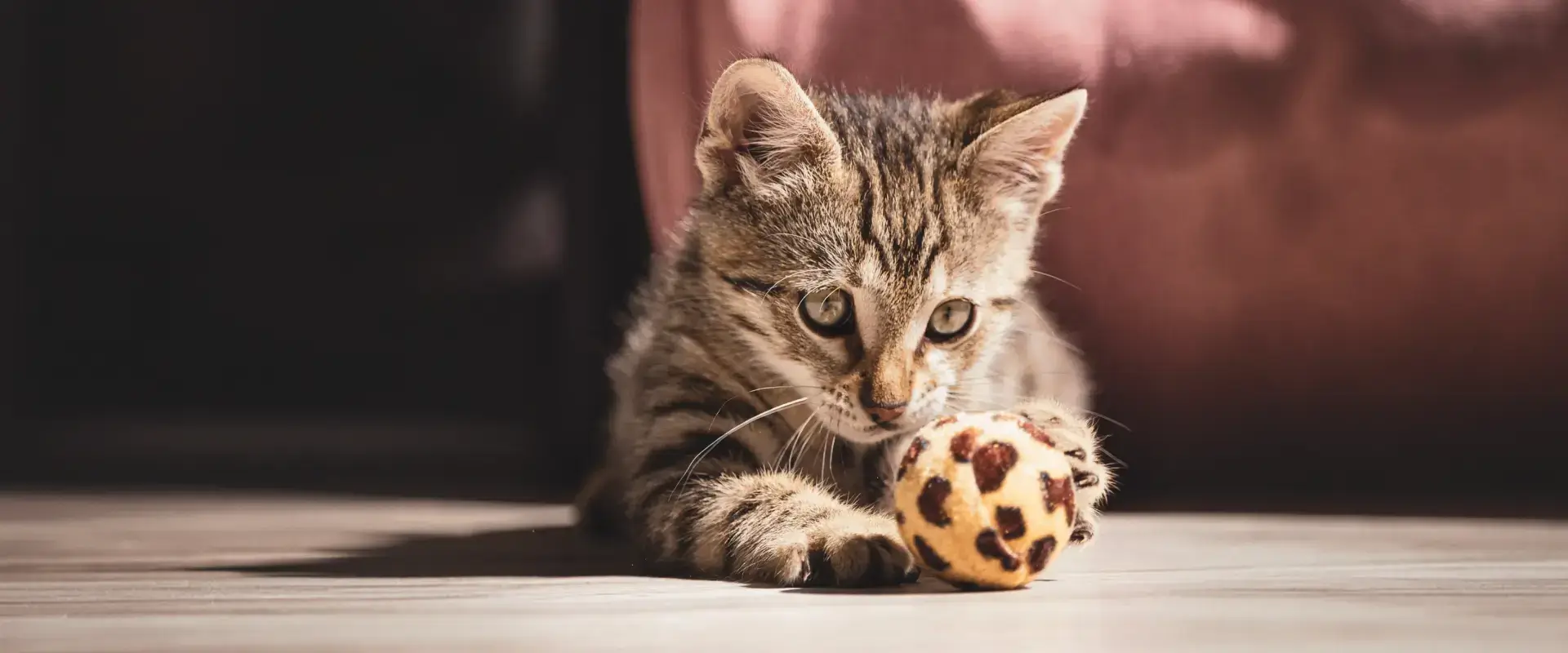
Playtime isn’t just about having fun with your kitten (although that’s a pretty good reason on its own!). It’s also an important part of keeping them happy and healthy. In fact, providing opportunities for play and express hunting-style behaviours is one of the RSPCA’s five pillars of a healthy feline environment.
Try setting up at least two play areas with a variety of toys to keep your curious little companion entertained.
Playtime is also a good opportunity to teach your kitten good manners. When it comes to training, the RSPCA recommends reward-based methods, where you reward desired behaviours you want to encourage with things your kitten enjoys, such as treats, praise, or attention, rather than punishing behaviours you want to discourage. If your kitten gets a little too enthusiastic and scratches hard or bites during play, end the play session.
Scratching is a natural behaviour
If you’ve noticed your kitten taking an interest in scratching things, don’t worry. It’s perfectly natural behaviour that helps cats maintain their claws and scent mark their territory using scent glands in their paw pads. The trick is to give them somewhere suitable to do it.
Provide them with 3 different types of scratching surfaces, including both vertical and horizontal options made from different materials.
A safe, happy home makes all the difference
Your kitten’s new home should be somewhere they can feel safe, comfortable, and free to explore at their own pace. Cats need choice and control in their lives, so it’s important to give them a few places to retreat to when they want some quiet time.
Aim to provide 3 resting or hiding places in different locations around your home. These can include elevated perches, cosy hiding spots, and comfy beds in quiet areas.
Make sure your kitten’s environment also provides appropriate opportunities for physical and mental stimulation, such as access to appropriate toys, play, enrichment activities, safe climbing and scratching areas.
You’ll also want to kitten-proof your home for plants that could be harmful. Some common plants, including lilies, are toxic to cats, so make sure they’re removed, including from floral arrangements. Keep human food and other potentially harmful items out of reach, secure electrical cables, windows, and spaces where your kitten could become trapped.
The RSPCA advocates for keeping cats safely contained in an environment that meets their physical and mental needs and helps them thrive. If you choose to provide your kitten with outdoor access, consider providing a safe and secure option, such as an enclosed catio or other contained outdoor space.
The value of a pet insurance policy
Kittens are naturally curious, and watching them explore the world is one of the greatest joys of being a pet parent. But even with the best care and under the most watchful eye, unexpected illnesses or injuries can still happen.
And when they do, the costs can add up quickly. That’s when having a pet insurance policy in place for your kitten may prove valuable. Designed to cover a portion of your eligible vet bills, pet insurance is designed to help relieve some of the financial pressure that comes with unexpected vet bills.
And with RSPCA Pet Insurance, you can even customise your kitten’s cover to suit your kitten’s needs and your budget. Plus, every policy helps support animal welfare across Australia. So, while you’re caring for your own furry family member, you’re making a difference for animals in need, too.
To learn more about how RSPCA Pet Insurance could support you and your kitten, explore our kitten insurance. Or, if you’re ready to take the next step, you can fetch a commitment-free pet insurance quote online.
Disclaimer
As with any insurance, terms, conditions, and exclusions apply. Please read the Product Disclosure Statement to make sure the cover suits your needs.
References
[1] RSPCA Australia. How should I look after my new kitten? RSPCA Knowledgebase. Available from: https://kb.rspca.org.au/categories/companion-animals/cats/kittens/how-should-i-look-after-my-new-kitten
[2] RSPCA Australia. What should I feed my kitten? RSPCA Knowledgebase. Available from: https://kb.rspca.org.au/categories/companion-animals/cats/kittens/what-should-i-feed-my-kitten
[3] RSPCA Australia. Why should I have my cat desexed? RSPCA Knowledgebase. Available from: https://kb.rspca.org.au/knowledge-base/why-should-i-have-my-cat-desexed/
[4] RSPCA Australia. Why is it important to ensure my pet is microchipped? RSPCA Knowledgebase. Available from: https://kb.rspca.org.au/categories/companion-animals/pet-ownership/why-is-it-important-to-ensure-my-pet-is-microchipped
[5] RSPCA Australia. How can I keep my cat safe and happy at home? RSPCA Knowledgebase. Available from: https://kb.rspca.org.au/categories/companion-animals/cats/caring-for-my-cat/how-can-i-keep-my-cat-safe-and-happy-at-home
FAQs
Give your kitten a complete, balanced, high-quality commercial kitten food that’s right for their life stage and health status. Aim for at least four small meals a day, with plenty of fresh, clean water always available.
And while a saucer of milk might seem like a good choice for a cat, it’s best to skip it. Milk can upset their little tummy. Not sure how much to feed them? Your vet can help you get the portions just right.
The RSPCA recommends desexing kittens before they reach puberty, which can happen at around 16 weeks of age. Your vet will check your kitten’s health, weight, and vaccination history to help work out the best timing to desex your feline friend.
At least two. Cats like having options, especially when it comes to their toilet habits. The RSPCA recommends providing at least two choices for each essential resource, including litter trays, food stations and water bowls.
Place them in separate, quiet, easily accessible spots so your kitten can choose where they feel most comfortable.
Give them at least three cosy places to rest or hide around your home. Think quiet beds, snug hideaways, and elevated perches where they can watch the world go by.
Keep things calm, positive, and predictable, and let your kitten explore at their own pace. Cats feel safer when they have choice and control over their surroundings.
And don’t forget to kitten-proof your home by removing toxic plants, including lilies, keeping human food and other potentially harmful items out of reach, securing electric cables, and checking for spaces where your kitten could become trapped.