Health & wellness

This article provides general information only and is not a substitute for personalised veterinary advice. Always speak with your vet about your pet’s individual health needs. Accurate as at 4 September 2026.
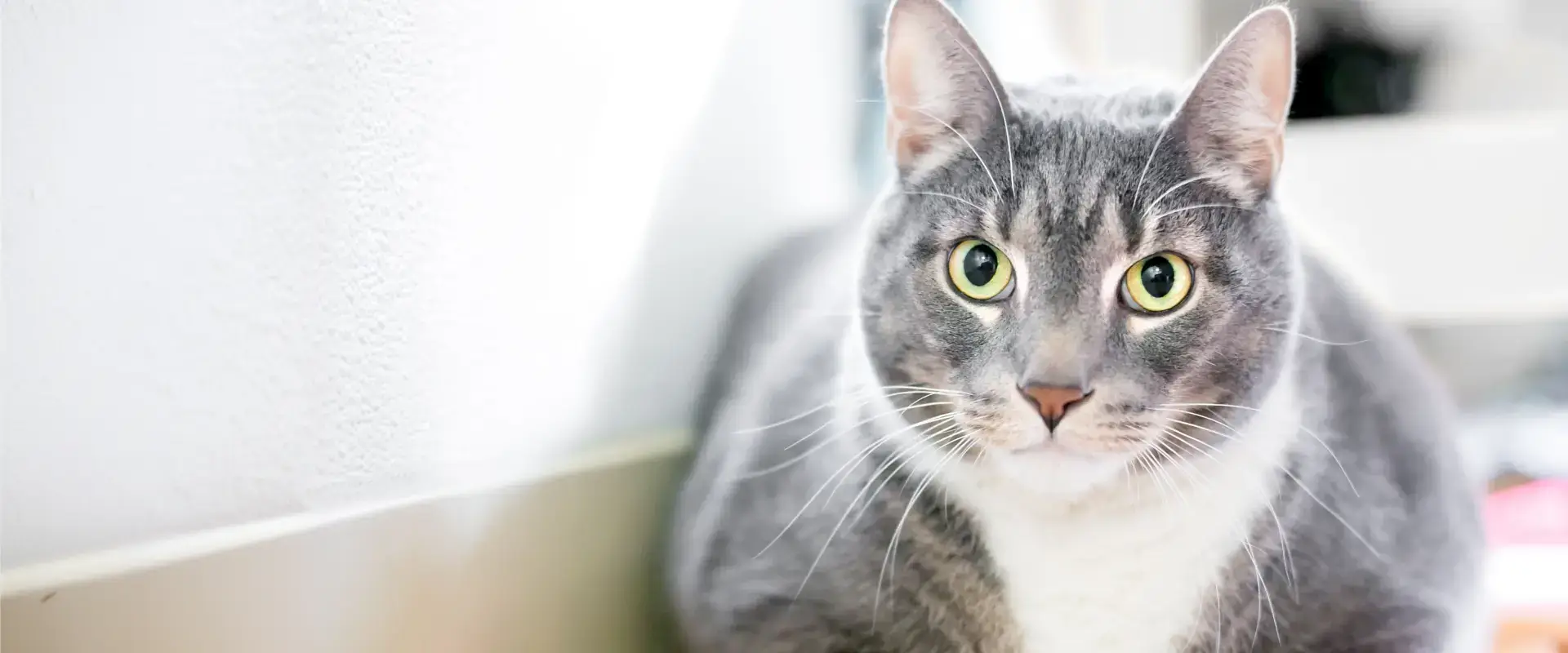
Cat obesity is one of the most common health issues affecting Australian cats today. And it can be easy to miss the signs. After all, a slightly round body shape or gradual weight gain might not seem like a cause for concern. But carrying excess weight can place strain on your cat’s body and increase their risk of developing a range of health conditions.
With the right balance of nutrition, exercise, and vet guidance, many cats can maintain a healthy weight throughout their lives. Understanding the causes and impacts of obesity can help you make informed decisions to support your cat’s long-term health and wellbeing.
Table of contents
- How common is cat obesity in Australia?
- Why a healthy weight matters
- How can you tell if your cat is overweight?
- What causes cat obesity?
- Helping your cat maintain a healthy weight
- Helping an overweight cat lose weight safely
- How pet insurance could support your cat’s health
How common is cat obesity in Australia?
Obesity is one of the most common nutritional disorders affecting pets, and cats are no exception, with research suggesting that around one in four Australian cats may be overweight or obese.
A range of factors can influence a cat’s weight over time. Portion sizes, treats, feeding habits, activity levels, and enrichment opportunities can all contribute to weight gain.
Age can also play a role. As cats get older, they often become less active and may require fewer calories than they did as energetic kittens or young adults. Without suitable adjustments to their diet, weight gain can gradually occur.
Why a healthy weight matters
A little extra weight might seem harmless, but obesity can have a significant impact on your cat’s overall health and quality of life. Excess body fat places strain on your cat’s body, including their joints and metabolic systems.
Over time, obesity can increase the risk of several health conditions, which can affect your cat’s wellbeing and quality of life. These include:
- Diabetes mellitus
- Arthritis and other joint problems
- Heart disease
- Respiratory disease
- Liver disease
- Urinary tract problems
Obesity can significantly impair your cat’s day-to-day comfort and ability to carry out normal behaviours. Cats carrying excess weight may struggle to groom themselves properly, particularly around their back and hindquarters. This can lead to matting, skin irritation, and poor coat condition. They may also find it harder to access elevated areas like perches or shelves, climb scratching posts, or engage in normal play behaviours. Obesity can reduce mobility and activity levels, which may further contribute to weight gain over time.
How can you tell if your cat is overweight?
Many pet parents are surprised to learn their cat is carrying extra weight. Because weight gain often happens gradually, it can be difficult to notice subtle changes when you see your cat every day. Some owners also assume a rounder body shape is normal, particularly in certain breeds.
Rather than focusing on the number on the scale, vets often use a body condition score to assess whether a cat is at a healthy weight.
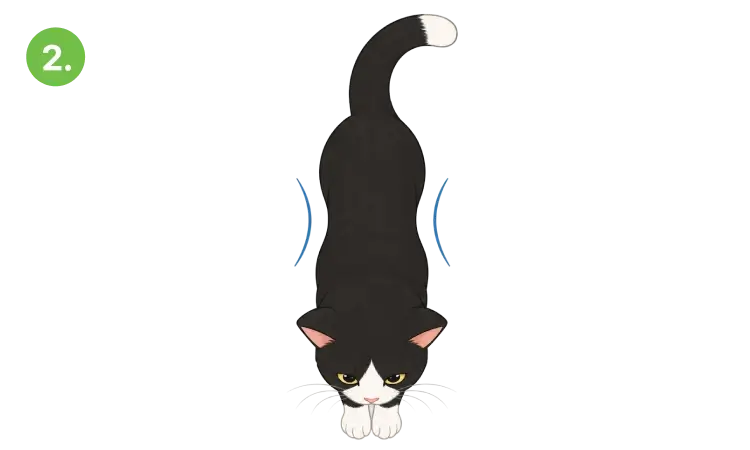
In general, if a cat is at a healthy weight, you should be able to:
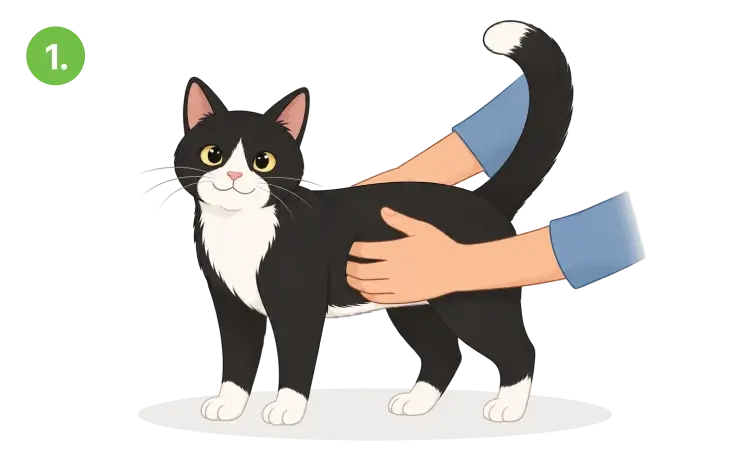
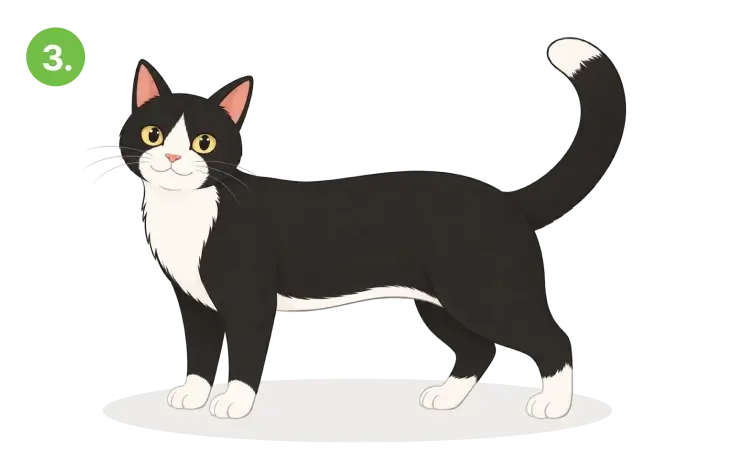
- Feel their ribs beneath a thin layer of fat
- See a visible waist when viewed from above
- See a slight abdominal tuck when viewed from the side
Signs your cat may be overweight include:
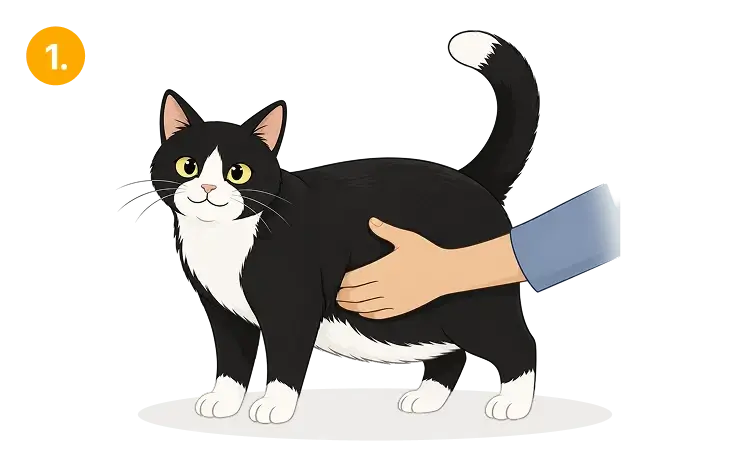
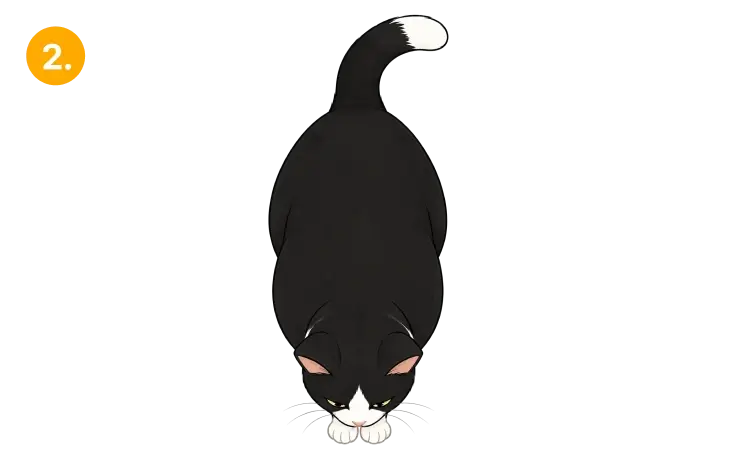
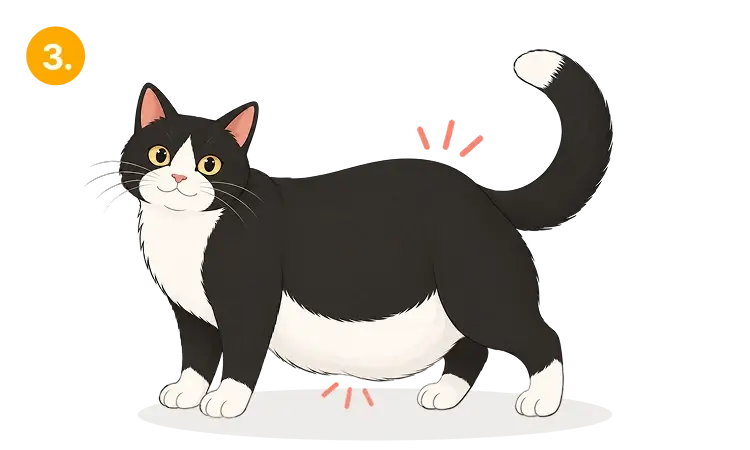
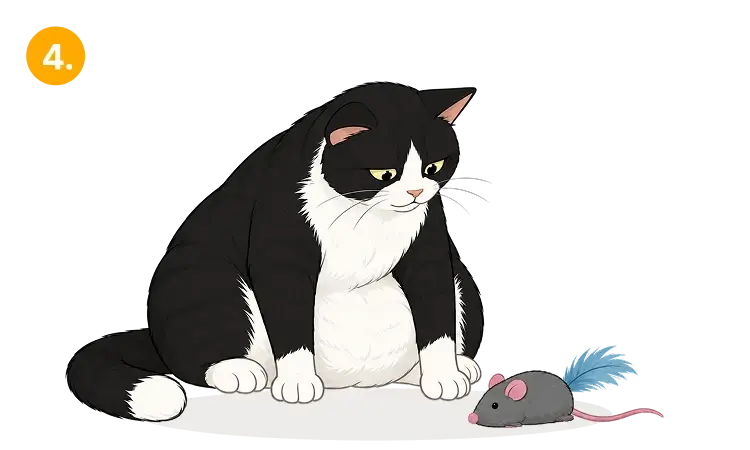
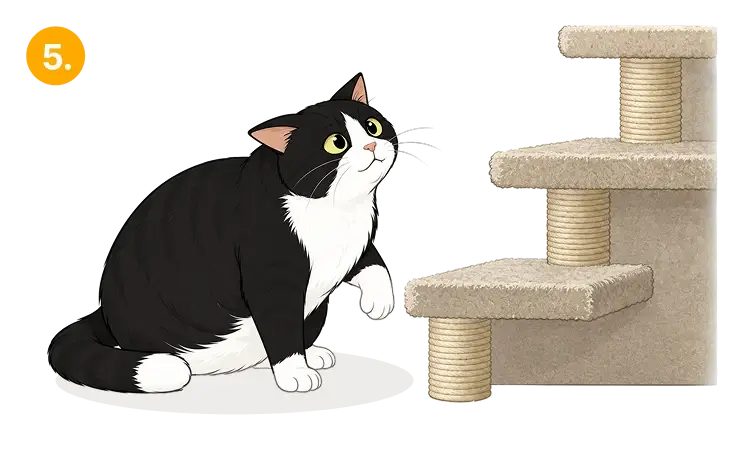
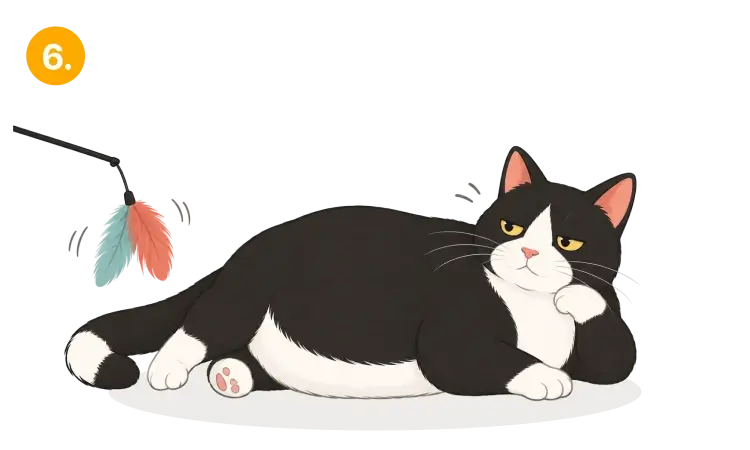
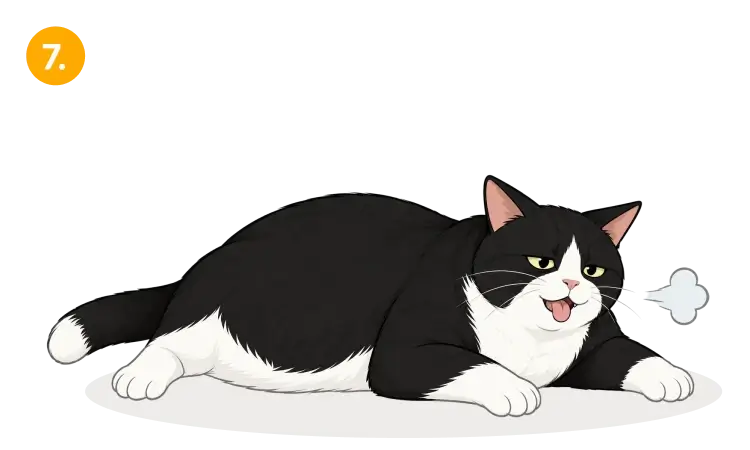
- Difficulty feeling their ribs.
- A broad or rounded body shape.
- Fat deposits around the lower back or abdomen, including a sagging tummy (however, it’s important to distinguish this from a primordial pouch, which is a normal flap of loose skin and fat that hangs beneath the abdomen). Unlike excess fat associated with obesity, a primordial pouch is a normal anatomical feature in many cats.
- Reluctance to jump, climb or use stairs.
- Spending more time sitting or lying down and being less willing to move around.
- Less interest in play.
- Becoming tired more easily during activity.
- A coat that appears dirty, matted, or unkempt due to difficulty grooming.
- Their easy-release cat collar becomes tighter over time.
It’s important to remember that healthy cat weight varies depending on breed, age, size, and body structure. A healthy weight for one cat may not be appropriate for another. If you’re unsure whether your cat is overweight, your vet can perform a body condition assessment and provide personalised recommendations to help keep your cat at a healthy weight.
What causes cat obesity?
Cat obesity rarely develops because of a single factor. In most cases, a combination of diet, lifestyle, and individual circumstances contributes to weight gain.
Common contributors include:
Overfeeding
One of the most common causes of obesity in cats is simply consuming more calories than they burn. Even a small amount of extra food each day can gradually add up. Portion sizes that seem reasonable can often exceed a cat’s actual energy requirements, particularly if they’re less active or spend most of their time resting.
Too many treats
While treats can be a wonderful way to reward your cat and strengthen your bond, many pet parents don’t realise how much treats and small snacks can add to a cat’s daily intake. When given frequently, these extras may contribute to gradual weight gain.
Lack of exercise
Cats are naturally active, curious, and keen explorers. They enjoy opportunities to climb, investigate their surroundings, play, and engage with their environment. Without opportunities for regular activity, cats may burn fewer calories and become more sedentary. Encouraging movement through play can help keep your cat physically active and mentally engaged.
Lifestyle and activity levels
Cats of all lifestyles can become overweight if they consume more calories than they use. Some cats naturally spend more time resting than others, particularly as they age, which may reduce the amount of energy they use each day.
Providing opportunities for regular activity through play, climbing, exploring, and problem-solving can help support healthy activity levels and weight management.
Age and desexing
As cats age, their metabolism and activity levels often change. Desexed cats may also require fewer calories than they did before surgery. This doesn’t mean desexing causes obesity, but it does mean dietary requirements may need to be adjusted to help maintain a healthy weight.
Medical conditions
In some cases, underlying health conditions or certain medications may contribute to weight gain. If your cat gains weight unexpectedly or struggles to lose weight despite dietary changes, it’s worth discussing this with your vet.
Helping your cat maintain a healthy weight
Helping your cat maintain a healthy weight doesn’t have to be complicated. Small, consistent habits can make a significant difference over time.
Measure your cat’s meals
Estimating portions can easily lead to overfeeding. Using a measuring cup or kitchen scale can help ensure your cat receives the correct amount of food each day. Follow the feeding guidelines provided by your food manufacturer and ask your vet for advice if you’re unsure about your cat’s recommended intake.
Remember that feeding guides provide general recommendations and may need to be adjusted based on your cat’s individual circumstances.
Be mindful with treats
Treats don’t need to disappear completely, but moderation is important. Consider using treats as occasional rewards rather than a daily routine. You can also experiment with non-food rewards, such as praise or extra attention in the form of pats or play. If you offer treats, account for them as part of your cat’s overall daily food intake. If you’re trying to cut back on extra treats, consider switching to lower-calorie options or setting aside a small portion of your cat’s usual kibble or wet food to use as rewards throughout the day. This can be a simple way to ‘treat’ your cat without increasing their overall daily food intake.
Encourage daily play
Exercise doesn’t need to be complicated to be effective. Short, interactive play sessions can help keep your cat physically active while also providing valuable mental stimulation. Many cats enjoy feather wands, toys, climbing structures, and games that encourage chasing, stalking, and pouncing. Even five to ten minutes of active play a few times each day can help increase activity levels.
Cats have individual preferences, so try different toys and activities to find out what engages your cat. Introducing new items and rotating toys regularly can also help maintain their interest.
For tips on how to pick safe, stimulating toys for your cat, please refer to our cat toys and enrichment guide.
Use enrichment feeding
Food puzzles and treat-dispensing toys can transform mealtimes into opportunities for exercise and mental engagement. These activities encourage cats to work for their food, helping slow down eating and increasing movement throughout the day.
Schedule regular vet check-ups
Routine vet visits can help identify gradual weight changes before they become more significant. Your vet can monitor your cat’s body condition, discuss nutrition, and recommend appropriate weight-management strategies if needed.
Helping an overweight cat lose weight safely
If your cat is already overweight, it’s important to approach weight loss carefully as cats can become seriously ill if they lose weight too quickly. Rapid weight loss may lead to a potentially life-threatening condition called hepatic lipidosis, also known as fatty liver disease.
Because rapid weight loss can be dangerous for cats, the safest approach is a gradual weight-loss plan, developed in consultation with your vet. Such a plan may include:
- Controlled portion sizes
- A specially formulated weight-management diet
- Increased physical activity
- Regular weight monitoring
Successful weight management is usually about steady, sustainable progress rather than quick results.
How pet insurance could support your cat’s health
Helping your cat maintain a healthy weight is one of the most important ways you can support their long-term health and wellbeing. Maintaining a healthy weight can help improve your cat’s comfort, mobility, and overall quality of life.
By understanding the causes of feline obesity and making small, consistent changes where needed, you can help support your cat’s health today and into the future.
While a healthy lifestyle plays an important role in your cat’s wellbeing, illnesses and injuries can still happen unexpectedly. That’s why many pet parents choose pet insurance as part of their plan for caring for their cat throughout their life.
With RSPCA Pet Insurance, you can customise your pet’s cover to suit their needs and your budget. Get up to $35,000 in annual cover, up to 90% back on eligible vet bills, and support the RSPCA’s vital animal welfare work, all through one simple policy.
To learn more about how RSPCA Pet Insurance could support you and your pet, click here. Or, if you’re ready to take the next step, you can fetch a commitment-free pet insurance quote online.
Disclaimer
As with any insurance, terms, conditions, and exclusions apply. Please read the Product Disclosure Statement to make sure this cover suits your needs.
References
[1] RSPCA Australia. What should I feed my cat? RSPCA Knowledgebase. Available from: https://kb.rspca.org.au/knowledge-base/what-should-i-feed-my-cat/
[2] International Cat Care (iCatCare). Obesity in cats. Available from: https://icatcare.org/articles/obesity-in-cats
[3] World Small Animal Veterinary Association (WSAVA). Global Nutrition Guidelines. Available from: https://wsava.org/global-guidelines/global-nutrition-guidelines/
[4] Cornell University College of Veterinary Medicine. Hepatic Lipidosis. Available from: https://www.vet.cornell.edu/departments-centers-and-institutes/cornell-feline-health-center/health-information/feline-health-topics/hepatic-lipidosis
[5] RSPCA Australia. Why should I have my cat desexed? RSPCA Knowledgebase. Available from: https://kb.rspca.org.au/categories/companion-animals/cats/general/why-should-i-have-my-cat-desexed
[6] PLOS. Positive attitudes towards feline obesity are strongly associated with ownership of obese cats. Available from: https://journals.plos.org/plosone/article?id=10.1371/journal.pone.0234190
[7] RSPCA Australia. How can I keep my cat safe and happy at home? RSPCA Knowledgebase. Available from: https://kb.rspca.org.au/categories/companion-animals/cats/caring-for-my-cat/how-can-i-keep-my-cat-safe-and-happy-at-home
[8] RSPCA Australia. How can I create low-cost DIY enrichment for my cat or dog? RSPCA Knowledgebase. Available from: https://kb.rspca.org.au/categories/companion-animals/dogs/caring-for-my-dog/how-can-i-create-low-cost-diy-enrichment-for-my-cat-or-dog
[9] National Library of Medicine. From pathogenesis to prevention: an update on the management of obesity and its associated comorbidities in cats. Available from: https://pmc.ncbi.nlm.nih.gov/articles/PMC13095525/
FAQs
Signs that your cat may be overweight can include difficulty feeling their ribs beneath a layer of fat, a broad or rounded body shape, and fat deposits around the abdomen or lower back, and reduced activity levels, including less interest in play or exercise. If you’re unsure whether your cat is at a healthy weight, speak with your vet. They can assess your cat’s weight and provide advice if needed.
Cat obesity is usually caused by a combination of factors, including overfeeding, too many treats, lack of exercise, age-related changes, and certain medical conditions. Weight gain often occurs gradually when a cat consumes more calories than they use.
Not necessarily. Indoor cats can maintain a healthy weight when they’re fed appropriate food portions and given opportunities for regular physical activity and mental stimulation. However, like all cats, they may gain weight if they regularly consume more calories than they can use.
Yes, but weight loss should always be gradual and guided by your vet. Losing weight too quickly can be dangerous for cats, so a tailored weight management plan that supports safe, gradual weight loss is the best approach.
Health conditions related to obesity in cats may be covered under your RSPCA Pet Insurance policy, provided the condition isn’t pre-existing and is otherwise eligible for cover under the terms, conditions, exclusions, and limits of your specific policy.
It’s also important to note that some weight-management expenses, such as specialist diets (including prescription diets) and supplements, are not covered.
To learn more, visit the RSPCA Pet Insurance website or get a commitment-free quote online today.
As with any insurance, terms, conditions, and exclusions apply. Please read the Product Disclosure Statement to make sure this cover suits your needs.