Care & training

This article provides general information only and doesn’t take into account your individual circumstances. Terms, conditions, limits, and exclusions apply. Please read the relevant PDS. Accurate as at 9 October 2026.
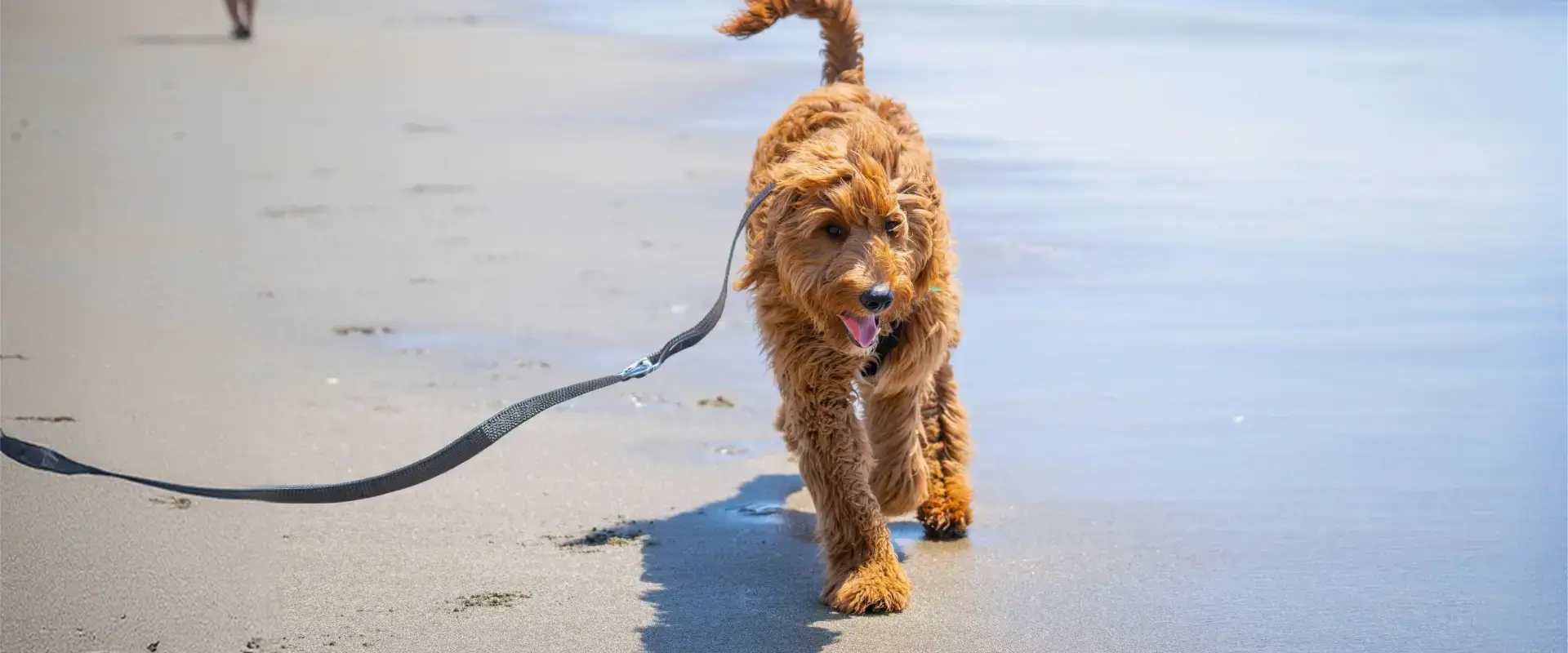
For many dogs, few things are better than a day at the beach. With room to run, waves to chase, and a world of new smells to investigate, beaches can provide your dog with valuable opportunities for physical activity and mental stimulation.
But sun, sand, and saltwater come with a few extra things to keep an eye on. The good news is that a handful of simple habits can help keep the fun going and ensure that your dog stays safe. Here’s how to make every beach day a good one.
Table of contents
- Watch out for the heat
- Protect your dog’s paws from the hot sand
- Bring plenty of fresh water
- Swim smart
- Stay close while your dog explores
- Rinse off after the fun
- Plan ahead for unexpected vet visits
Watch out for the heat
Heatstroke is a life-threatening emergency, and a warm day at the beach can put dogs at risk. It happens when a dog severely overheats and can no longer regulate their body temperature effectively. Hot, humid weather, strenuous exercise, and dehydration can increase the risk.
Some dogs are especially vulnerable, including flat-faced (brachycephalic) breeds, overweight dogs, older dogs, and puppies. On warmer days, visit the beach in the cooler early morning or late evening, avoid strenuous exercise, provide plenty of fresh, cool water, and make sure your dog has a cool, shaded spot to rest. Keep them off hot sand, too, as it can burn their paw pads.
It’s good to know the warning signs as well. These can include heavy, rapid panting, excessive drooling, vomiting or diarrhoea, confusion, weakness, staggering, breathing difficulties, or collapse.
If you think your dog may have heatstroke, move them to a cool, shaded area, apply cool water to their fur and skin, and use a fan or air-conditioning where available to help them cool down. Then seek vet attention immediately. Don’t wait to see if they improve. Even if they seem to recover, they should still be assessed by a vet.
Another thing to consider is sunburn. While all dogs can get sunburnt, dogs with white or light-coloured coats, thin coats, or areas of exposed skin may be especially susceptible. Access to a suitably shaded area can help limit the risk of sun damage, and dog-safe sunscreen may also be appropriate for some dogs.
Protect your dog’s paws from the hot sand
While the sand might look inviting, on a warm day it can get seriously hot under your pup’s paws. Bare ground, dry sand, concrete, and other surfaces can heat up quickly, making it uncomfortable (and potentially harmful) for your dog to walk on.
Before heading onto the sand, try the five-second test by placing the back of your hand on the sand for five seconds. If it feels too hot for you to keep your hand there comfortably, it’s too hot for your dog’s paws.
It’s also best to visit the beach earlier or later in the day when the sand is cooler. Where appropriate, look for damp sand near the water or other shaded surfaces for your dog to walk on.
Bring plenty of fresh water
Pack plenty of fresh drinking water and a bowl for your pup. A thirsty dog may be tempted to lap up seawater, which can make them unwell. Offer fresh water regularly throughout the day to help keep them hydrated, particularly in warm weather and after exercise.
Swim smart
Not every dog is a natural swimmer, and even the keen ones can get into trouble. The ocean can be unpredictable, with currents, waves, and drop-offs, so it’s always best to keep a close eye on conditions.
A few simple precautions can help keep your pup safe around the water:
- Supervise your dog whenever they’re in or near the water.
- Keep them from swimming too far out and be mindful of waves and currents.
- Let your dog set the pace. If they seem uncomfortable or unsure around the water, don’t force them in.
- Be aware of potential hazards in and around the water, including bluebottles, jellyfish, sea urchins, and other marine animals. Discourage your dog from investigating or touching them.
- Keep an eye out for other hazards such as fish hooks, broken glass, and sharp shells.
Stay close while your dog explores
Whether you’re visiting an on-leash or off-leash beach, keeping your dog close and under control helps everyone enjoy their day by the sea. If your dog is off-leash, they should respond reliably when called and stay within calling distance.
If your pup isn’t quite there yet, keep them on-leash while they practise. It can help keep them safe around the water, wildlife, beachgoers, and other dogs. And before you head out, check your local council’s rules, as where and when dogs are allowed off-leash can vary between beaches.
Rinse off after the fun
Once the beach fun is done, give your dog a rinse with fresh water to wash away salt, sand, and anything else they may have picked up along the way. Dogs who regularly swim in the sea may also need bathing more often.
While you’re at it, give them a quick once-over for cuts, grass seeds, seaweed, shell fragments, or sore paws, and check that they’re not showing any signs of overheating. Once they’re rinsed and checked over, all that’s left is a well-earned rest.
Plan ahead for unexpected vet visits
Most beach days are about refreshing swims, seaside strolls, and plenty of fun. But accidents and illnesses can happen when you least expect them. A cut paw, an upset tummy, or an unexpected injury could mean a trip to the vet.
That’s where pet insurance may be able to provide some financial relief, helping to cover a portion of your pup’s eligible vet bills.
And if you choose to insure with RSPCA Pet Insurance, you can also customise your cover to suit your pup’s needs and your budget. Plus, every policy contributes to the RSPCA’s vital work caring for animals, including rescue, rehab, and rehoming efforts.
To learn more about how RSPCA Pet Insurance could support you and your dog, click here. Or, if you’re ready to take the next step, you can fetch a commitment-free pet insurance quote online.
Disclaimer
As with any insurance, terms, conditions, and exclusions apply. Please read the Product Disclosure Statement to make sure this cover suits your needs.
References
[1] RSPCA Australia. How can I protect my dog from heatstroke? RSPCA Knowledgebase. Available from: https://kb.rspca.org.au/categories/companion-animals/dogs/caring-for-my-dog/how-can-i-protect-my-dog-from-heatstroke
[2] RSPCA Australia. Can you give me some advice on caring for my dog? RSPCA Knowledgebase. Available from: https://kb.rspca.org.au/categories/companion-animals/dogs/caring-for-my-dog/can-you-give-me-some-advice-on-caring-for-my-dog
[3] RSPCA Australia. How can I teach my dog recall (to come when called)? RSPCA Knowledgebase. Available from: https://kb.rspca.org.au/categories/companion-animals/dogs/training/how-can-i-teach-my-dog-recall-to-come-when-called
[4] RSPCA South Australia. Paws on the pavement: Walking your dog during summer. Available from: https://www.rspcasa.org.au/paws-on-the-pavement-walking-your-dog-during-summer/
[5] American Animal Hospital Association. Dive into safety: Water safety tips for pets. Available from: https://www.aaha.org/resources/dive-into-safety-water-safety-tips-for-pets/
[6] Animal Emergency Service. Beach Safety for Dogs: What You Need to Know. Available from: https://animalemergencyservice.com.au/blog/beach-safety-for-dogs-what-you-need-to-know/
[7] Animal Poisons Helpline. Beached Bluebottles & Dogs: Hidden Danger at the Beach. Available from: https://www.animalpoisons.com.au/news/beached-bluebottles-dogs/
[8] RSPCA Australia. Caring for animals over summer. Available from: https://www.rspca.org.au/latest-news/blog/caring-for-animals-over-summer/
FAQs
Help your dog stay cool by heading out during the cooler parts of the day, such as early morning or late evening. Make sure your dog has access to a shaded area to rest, take regular breaks, and bring plenty of fresh drinking water.
While at the beach, keep an eye out for signs of overheating, including excessive panting, drooling, weakness, or collapse. Overheating can lead to heatstroke, which can be life-threatening. If you’re concerned your dog may be overheating or developing heatstroke, start cooling them and seek vet attention straight away.
Yes, it can. Sand can get surprisingly hot in the Aussie sun and may burn your dog’s sensitive paw pads. Before heading onto the sand, place the back of your hand on the sand for five seconds. If it feels too hot for you to keep your hand there comfortably, it’s too hot for your dog’s paws. Try visiting the beach earlier or later in the day when the sand is cooler.
No, dogs shouldn’t drink seawater. The high salt content can make them unwell, so always bring plenty of fresh drinking water to the beach and offer it to your dog regularly.
Pet insurance may help with eligible vet costs if your pet has an unexpected accident or becomes ill after a day at the beach. What’s covered will depend on your policy and your pet’s circumstances, and terms, conditions, exclusions, and waiting periods may apply.
If you’re considering insuring your pet, RSPCA Pet Insurance offers cover you can customise to your pet’s needs and your budget. Plus, every policy contributes to the RSPCA’s animal welfare work across Australia.
To learn more, visit the RSPCA Pet Insurance website or get a commitment-free quote online today.
As with any insurance, terms, conditions, and exclusions apply. Please read the Product Disclosure Statement to make sure this cover suits your needs.