Care & training

This article provides general information only and is not a substitute for personalised veterinary or behaviour advice. Always speak with your vet about your pet’s individual health and behaviour needs. Accurate as at 20 November 2026.
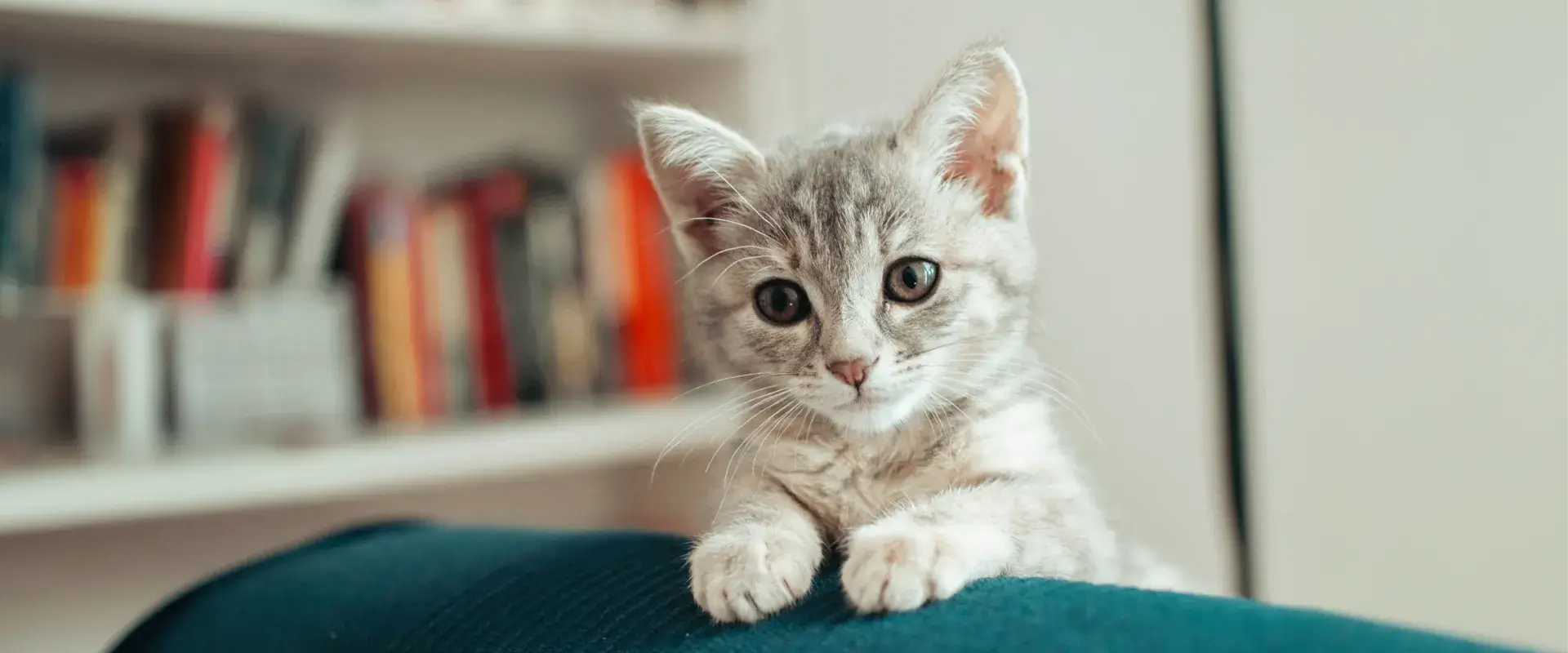
Has your kitten decided the couch makes a perfect scratching post? You’re not alone. While finding fresh scratch marks on your favourite furniture isn’t ideal, scratching is a perfectly natural part of being a cat.
So, rather than trying to stop your kitten from scratching altogether, it’s about giving them suitable places to do it, while making your furniture a little less tempting.
Let’s look at why kittens scratch and how you can gently guide those little paws in the right direction.
Table of contents
- Why do kittens scratch furniture?
- How to stop a kitten from scratching furniture
- Why rewards work better than punishment
- Why declawing isn’t the answer
- A quick note on pet insurance
Why do kittens scratch furniture?
Your kitten isn’t scratching the couch to test your patience. Scratching is a perfectly natural part of being a cat, and there are a few good reasons why they do it:
- Keeping their claws in shape: scratching helps cats maintain healthy claws by removing the worn outer layers.
- Leaving their scent: cats have scent glands in their paw pads, so scratching is one way they leave their scent. It helps them mark their territory and feel more at home.
- Expressing their feelings: whether they’re excited, frustrated, or feeling a little anxious, scratching can be a way for cats to express themselves.
Since scratching is an important natural behaviour for cats, it’s not about stopping the behaviour. It’s about helping your kitten find suitable places to scratch, keeping them happy, and your furniture in one piece.
How to stop a kitten from scratching furniture
So, how do you save your couch without stopping your kitten from being a kitten? Here are a few things worth trying.
Give them a few scratching options
It’s a good idea to give your kitten their own scratching spots right from the start. RSPCA Australia recommends providing kittens with three different types of scratching surfaces. Think vertical and horizontal options, made from different materials, and placed in separate spots around your home. Got more than one cat? Aim for at least one scratching post per cat.
Choose posts they’ll actually use
Not all scratching posts are created equal, at least not in your kitten’s eyes. They come in all sorts of shapes, sizes, and textures, from tall vertical posts to flat horizontal scratchers.
When choosing one, look for something that’s:
- Tall or long enough for your cat to enjoy a full-body stretch
- Sturdy enough to lean against without wobbling
If a post wobbles or topples over, it might put your kitten off using it again.
Cats have their own individual likes and dislikes, so don’t be surprised if you need to try a few styles before finding a winner.
Put posts in the right places
When it comes to scratching posts, where you put them can make a big difference. For example, if your kitten has already decided the couch arm or a corner of the rug is their favourite scratching spot, try placing a scratching post right in front of it.
It’s also worth having a mix of scratching surfaces in different spots around your home. That way, your kitten has plenty of options when the urge to scratch strikes.
Make time for play
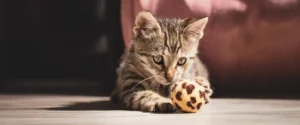
A little playtime goes a long way. Toys, puzzles, and play help keep your kitten physically active and mentally stimulated, which is an important part of meeting their needs.
Providing opportunities to scratch, play, and explore can also help your kitten adjust to a safe stay-at-home lifestyle, whether that’s indoors or with access to a secure outdoor enclosure like a catio.
Here are a few ways to make playtime safe and enjoyable:
- Follow their lead: find out which toys your kitten enjoys playing with and make time for short, regular play sessions every day.
- Keep toys safe: choose toys that suit your kitten’s size and play style, check them regularly for loose or broken parts, keep them clean and replace if they become damaged.
- Keep an eye on them: supervise your kitten when they’re playing with toys.
- Know when to stop: if your kitten becomes overstimulated and starts scratching hard or biting during play, it’s time to end the game and give them a break.
Reward them for getting it right
When your kitten uses their scratching post instead of the couch, let them know they’ve done a good job.
RSPCA Australia supports reward-based training as the most humane and effective way to train pets. So, whenever you catch your kitten scratching in the right spot, offer a treat, praise or another reward they enjoy. It’s a simple way to encourage more of the behaviour you’d like to see.
Protect your furniture
While your kitten is still learning the ropes, there’s nothing wrong with giving your furniture a little extra protection. You could limit access to the pieces you’re trying to protect, for example by covering them with thick covers.
Just make sure there’s a scratching post nearby, so your kitten still has a suitable place to put their claws to work, and you can gently redirect them towards it when needed.
Why rewards work better than punishment
It’s hard not to feel frustrated when you catch your kitten scratching your favourite piece of furniture. In those moments, gently redirecting them to a suitable scratching spot and rewarding them when they use it is the way to go.
Punishment isn’t an effective way to manage natural scratching behaviour and may be counterproductive. It can also negatively affect your kitten’s welfare and your relationship with them. Research has found an association between verbal or physical punishment and more reports of unwanted scratching.
Reward-based training doesn’t just encourage the behaviour you’d like to see. It’s also a lovely way to build positive interactions with your cat.
Why declawing isn’t the answer
You might have heard of declawing as a way to stop cats scratching, but it’s not a solution.
Declawing is a major surgical procedure that involves amputating part of a cat’s toes. It can be physically and psychologically traumatic, prevent cats from expressing natural behaviours, and have a serious impact on their welfare.
A cat’s claws shouldn’t be removed for non-medical reasons. Declawing is illegal in many jurisdictions, and both the RSPCA and the Australian Veterinary Association consider it unacceptable.
A quick note on pet insurance
Helping your kitten learn where to scratch takes a little patience, plenty of encouragement, and a few well-placed scratching posts. And while you’re helping them develop good scratching habits, it’s just as important to look after their health.
From their first vet check-up to regular vet visits, keeping your kitten happy and healthy is all part of life as a cat parent.
That’s where pet insurance can help. Depending on your policy’s terms, limits and exclusions, it may help cover eligible vet bills for unexpected accidents and illnesses, giving you one less thing to worry about when your feline friend needs care.
If pet insurance is something you’ve been thinking about, RSPCA Pet Insurance could be worth a look. With customisable cover to suit your kitten’s needs and your budget, and every policy contributing to the RSPCA’s animal welfare initiatives across Australia, it’s protection with purpose. For your own kitten, and thousands of animals in need across Australia.
Want to learn more about how RSPCA Pet Insurance could support you and your kitten? Explore our kitten insurance. Or, if you’re ready to take the next step, you can fetch a commitment-free pet insurance quote online.
Disclaimer
As with any insurance, terms, conditions, and exclusions apply. Please read the Product Disclosure Statement to make sure this cover suits your needs.
References
[1] RSPCA Australia. Why does my cat scratch the furniture? RSPCA Knowledgebase. Available from: https://kb.rspca.org.au/categories/companion-animals/cats/behaviour/why-does-my-cat-scratch-the-furniture
[2] RSPCA Australia. How should I look after my new kitten? RSPCA Knowledgebase. Available from: https://kb.rspca.org.au/categories/companion-animals/cats/kittens/how-should-i-look-after-my-new-kitten
[3] RSPCA Australia. Safe and happy cats: keeping your cat safe and happy at home. RSPCA Australia. Available from: https://safeandhappycats.com.au
[4] MDPI. Unwanted Scratching Behaviour in Cats: Influence of Management Strategies and Cat and Owner Characteristics. Available from: https://www.mdpi.com/2076-2615/12/19/2551
[5] Australian Veterinary Association. Surgical alteration of companion animals’ natural functions for human convenience. Available from: https://www.ava.com.au/policy/surgical-alteration-companion-animals
[6] Grier KCK, Peterson N. Indoor Cats, Scratching, and the Debate over Declawing: When Normal Pet Behavior Becomes a Problem. Available from: https://www.wellbeingintlstudiesrepository.org/sota_2005/8/
FAQs
Scratching is a normal, natural behaviour for cats. It helps them maintain their claws, mark their territory, and express emotions like excitement or anxiety. The trick is to give your kitten more suitable places to scratch, so they can express this natural behaviour without damaging your furniture.
No. Scratching is a natural part of being a cat, and punishment can do more harm than good. Instead, give your kitten suitable scratching surfaces such as scratching posts and reward them with a treat or another reward they enjoy when they use them. Research has found an association between verbal or physical punishment and more reports of unwanted scratching. It can also negatively affect your kitten’s welfare and your relationship with them. Instead, rewarding your kitten when they scratch in appropriate places can encourage them to repeat the desired behaviour.
Variety is key. RSPCA Australia recommends offering kittens three different types of scratching surfaces, including vertical and horizontal options made from different materials. Place them around your home so your kitten has plenty of choice. If you’ve got more than one cat, aim for at least one scratching post per cat.
No. Declawing isn’t simply removing a cat’s claws. It’s a major surgery that involves amputating part of their toes and can be physically and psychologically traumatising, affecting their ability to express natural behaviours and lead to poor welfare. Declawing is also illegal in many jurisdictions. Both the RSPCA and the Australian Veterinary Association consider declawing unacceptable for non-medical reasons. Instead, focus on providing suitable scratching surfaces and encouraging healthy scratching habits.