Facts & fun

This article provides general information only and is not a substitute for personalised veterinary advice. Always speak with your vet about your pet’s individual health needs. Accurate as at 23 October 2026.
Thinking about pet Halloween costumes this year? While the idea of dressing your pet as a tiny pumpkin might seem adorable, it’s important to consider how the experience may affect your pet. And when it comes to Halloween, keeping your pet happy, safe, and comfortable is far more important than getting that picture-perfect snap.
Costumes can be stressful or uncomfortable for many pets, and some carry real safety risks. So, before reaching for the pumpkin suit, it’s worth pausing to consider whether a costume is right for your pet. If you do decide to use one, make sure it’s safe and fits properly, and keep a close eye on your pet’s body language so you can tell when they’re not comfortable.
Before the spooky celebrations begin, let’s take a look at the potential risks of pet Halloween costumes, some welfare-friendly alternatives, signs your pet might be uncomfortable, and a few other Halloween hazards worth keeping in mind.
Table of contents
- Are pet Halloween costumes a good idea?
- Why costumes can be uncomfortable for pets
- Signs your pet is uncomfortable or stressed while wearing a costume
- Welfare-friendly alternatives to Halloween costumes
- Other Halloween hazards to be aware of
- Caring for your pet during spooky season and beyond
Are pet Halloween costumes a good idea?
The RSPCA doesn’t recommend dressing up animals unless there’s a clear health or welfare benefit. Examples may include veterinary garments used during recovery, clothing used to help keep some animals warm in cold weather, or items that improve visibility or communicate important information about an animal such as a guide dog harness.
While dressing up animals is often seen as harmless fun, it’s important to think about how the experience may affect your pet.
Costumes can cause stress or discomfort, restrict movement, interfere with the way animals communicate with people and other animals, contribute to overheating, or pose a choking risk if they contain small, loose, or detachable parts.
While some pets may tolerate wearing a costume for a short time, many find the experience stressful or uncomfortable. Every pet is different, so it’s important to pay attention to their body language and avoid dressing them up if they show signs of stress or discomfort.
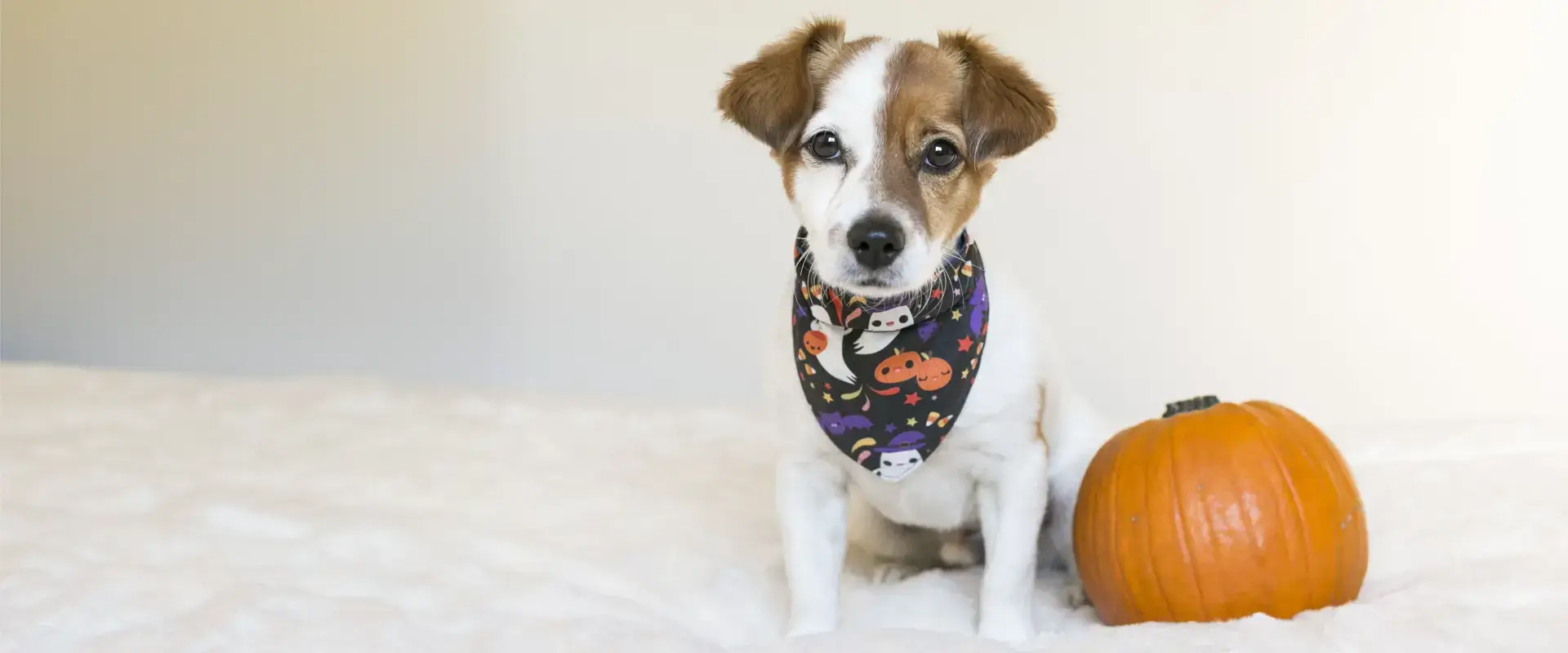
If your pet isn’t comfortable wearing a costume, there are plenty of other ways to include them in the Halloween fun. An appropriately sized festive bandana attached to your dog’s collar or lead may be a suitable alternative. A favourite toy, some extra playtime, or simply spending quality time together can be just as enjoyable, without the need to dress up. You can also treat them to a new pet-safe Halloween-themed toy or treats.
Why costumes can be uncomfortable for pets
Costumes can get in the way of body language
Pets rely heavily on body language to communicate with people and other animals, using their ears, eyes, fur, tail, and posture to show how they’re feeling. A costume that covers or restricts these areas can make it harder for others to recognise when your pet is uncomfortable or stressed, which can lead to confusion and frustration.
Costumes can cause overheating
Some pet costumes can trap heat, making it harder for your pet to stay cool and increasing the risk of heat stress. It’s best to avoid dressing your pet in a costume during hot weather, particularly as Halloween falls in spring here in Australia, when temperatures can be warmer.
Some pets are also at higher risk of heatstroke, including flat-faced breeds, pets who are overweight, and very young or older pets. Signs can include excessive panting, rapid breathing, drooling, vomiting, weakness, and collapse. If left untreated, heat stress can progress to heatstroke, which can be fatal.
If your pet shows signs of overheating or heatstroke, remove the costume straight away, start cooling them with cool or room-temperature water, keep them somewhere cool, and seek vet attention immediately.
For more information on recognising and managing heatstroke in dogs and cats, check out our guide here.
Costumes can interfere with natural behaviours
Cats and dogs need to be able to move freely and perform natural behaviours such as grooming, scratching, exploring, resting, eating, drinking, and toileting. Costumes may interfere with these behaviours, which can lead to frustration, discomfort, and stress.
Costumes can reduce a pet’s sense of control
For many pets, including cats and dogs, having a sense of control over their environment is important. Costumes may make some animals feel restricted or unable to behave naturally, which can cause stress, anxiety, and discomfort. Costumes that obstruct vision, restrict whiskers, or muffle hearing can also make it harder for animals to gather information about their surroundings and assess potential risks, leaving them feeling frustrated and less confident.
Some costumes may also interfere with the way pets experience and navigate the world around them. Costumes that obstruct vision, restrict whiskers, or muffle hearing can make it harder for animals to gather information about their surroundings and assess potential risks. This may leave them feeling frustrated and less confident in their surroundings.
Poorly fitted costumes can pose safety risks
Beyond discomfort, some pet costumes can pose physical safety risks, particularly if they don’t fit properly or have loose or detachable parts. If you decide to use a costume, it’s important to be aware of potential hazards. Poorly fitted costumes may restrict normal movement, cause discomfort, or increase the risk of injury, choking, entanglement, or suffocation.
If you decide to put a costume on your pet
If you decide to dress your pet up for Halloween, it’s important to ensure the costume prioritises their comfort, safety, and wellbeing.
Any costume should:
- Allow normal behaviours, including resting, eating, drinking, grooming, and toileting
- Allow your pet to communicate normally with people and other animals
- Leave the eyes, ears, nose, and mouth unobstructed
- Be free from loose or detachable parts
- Allow normal body temperature regulation
- Fit correctly and be made from suitable materials
- Be introduced gradually and worn only for short periods
- Only be worn while your pet is closely supervised, so you can make sure they stay relaxed and comfortable
- Pose no risk of injury, entanglement, or suffocation
If your pet shows signs of stress, discomfort, or distress, remove the costume immediately. Remember that some animals may never be comfortable wearing clothing, and this should be respected.
Signs your pet is uncomfortable or stressed while wearing a costume
Some animals may continue to tolerate a costume even when they’re feeling uncomfortable or stressed. That’s why it’s important to pay attention to your pet’s body language and behaviour, and always supervise them while wearing clothing.
Signs that your pet is uncomfortable or worried can include:
- Difficulty moving normally, including ‘freezing’
- Struggling to remove the costume
- Panting
- Lip licking or yawning
- Ears back or tail tucked
- Avoiding eye contact or turning their head away
- Hiding or withdrawing from interactions
If you notice any of these signs, or any other unusual changes in your pet’s behaviour, take the costume off straight away and consider a welfare-friendly alternative, such as a pet-safe Halloween-themed toy or some extra one-on-one time together.
Welfare-friendly alternatives to Halloween costumes
If you’d like your pet to be part of the Halloween fun, there are plenty of ways to include them without dressing them up.
Some ideas include:
- An appropriately sized festive bandana attached to your dog’s collar or lead, provided it doesn’t restrict movement or cause discomfort
- A Halloween-themed name tag, collar, harness, or lead
- A pet-safe Halloween-themed toy or treat
- Taking photos of your pet in front of a Halloween-themed backdrop rather than dressing them up
- Bringing your dog along trick-or-treating, if appropriate, and taking care to keep them away from unsuitable foods such as chocolate
- Enjoying a Halloween-themed movie while your pet relaxes alongside you
- Spending extra time together playing a favourite game, doing enrichment activities, or going for a walk
Other Halloween hazards to be aware of
Costumes aren’t the only thing to watch out for at Halloween. With extra treats, decorations, visitors, and activity around the home, it’s important to be aware of a few other potential risks.
Halloween often means more chocolate and other sweets around the house, but chocolate is toxic to dogs and many other pets. It contains a substance called theobromine, which pets can’t process as easily as we can. Dark chocolate and cocoa powder contain higher levels than milk chocolate, making them particularly dangerous.
Decorations around the home and garden can also pose risks. Fake cobwebs, ribbons, tinsel, and other string-like decorations may cause choking or serious intestinal blockages if swallowed, while chewing on decorative lights or electrical cords can lead to burns, electric shocks, or fires.
Halloween can also be an unsettling time for some pets. Frequent knocks at the door, open doors, costumed visitors, and increased activity around the home may cause stress or increase the risk of a pet slipping out unnoticed.
To help keep your pet safe, store chocolate and other sweets well out of reach, supervise pets around decorations, and consider keeping them in a quiet, secure area away from the front door if the festivities are unsettling them. It’s also a good idea to make sure your pet’s microchip details are up to date in case they get out. If you suspect your pet has eaten chocolate or another potentially harmful item, contact your vet immediately.
Caring for your pet during spooky season and beyond
Halloween might bring its fair share of frights, but an unexpected vet bill is one surprise no pet parent wants. That’s where pet insurance may come in handy, covering a portion of eligible vet bills so you’re left with less to pay when your pet needs care.
If you’ve been thinking of getting a pet insurance policy for your furry companion, RSPCA Pet Insurance offers cover you can customise to their needs and your budget. Every policy also contributes to the RSPCA’s vital animal welfare work. So, while you’re helping to protect your own pet, you’re also making a difference for animals in need across Australia.
To learn more about how RSPCA Pet Insurance could support you and your pet, click here. Or, if you’re ready to take the next step, you can fetch a commitment-free pet insurance quote online.
Disclaimer
As with any insurance, terms, conditions, and exclusions apply. Please read the Product Disclosure Statement to make sure this cover suits your needs.
References
[1] RSPCA Australia. What are the animal welfare issues with pets wearing costumes? RSPCA Knowledgebase. Available from: https://kb.rspca.org.au/knowledge-base/what-are-the-animal-welfare-issues-with-pets-wearing-costumes/
[2] RSPCA Australia. How can I protect my dog from heatstroke? RSPCA Knowledgebase. Available from: https://kb.rspca.org.au/categories/companion-animals/dogs/caring-for-my-dog/how-can-i-protect-my-dog-from-heatstroke
[3] RSPCA Australia. What does my dog’s body language mean? RSPCA Knowledgebase. Available from: https://kb.rspca.org.au/categories/companion-animals/dogs/behaviour/what-does-my-dogs-body-language-mean
[4] RSPCA Australia. Why is chocolate toxic to dogs and other animals? RSPCA Knowledgebase. Available from: https://kb.rspca.org.au/categories/companion-animals/household-and-garden-dangers/why-is-chocolate-toxic-to-dogs-and-other-animals
FAQs
The RSPCA doesn’t recommend dressing animals unless there’s a clear health or welfare benefit. Costumes can restrict movement, interfere with the way animals communicate with people and other animals, cause overheating, stress, or discomfort, and pose a choking risk if they have small, loose, or detachable pieces. While dressing up pets is often intended as harmless fun, it’s important to consider how the experience affects the animal and whether it benefits them or primarily benefits us.
If you decide to dress your pet up for Halloween, make sure the costume fits properly, allows them to move freely and toilet normally, and doesn’t cover their eyes, ears, nose, or mouth. Costumes should only be worn for short periods of time and while your pet is closely supervised. Remove the costume immediately if your pet shows signs of discomfort or distress. Their comfort, safety, and wellbeing should always come first.
Your pet doesn’t need a head-to-paw costume to get into the Halloween spirit! Instead of dressing them up, consider a welfare-friendly alternative, such as an appropriately sized Halloween-themed bandana, provided it’s comfortable, fits properly, and doesn’t restrict movement. You could also treat your pet to a pet-safe Halloween-themed toy or treats, or spend quality time together doing something they enjoy. Whatever you choose, it’s important to prioritise your pet’s comfort, safety, and wellbeing.
Cats rely on being able to move freely, communicate normally, and maintain a sense of control over their environment, so it’s generally best to let them enjoy Halloween without a costume.
Instead, consider celebrating with your cat in other ways, such as by playing their favourite game, treating them to a pet-safe Halloween-themed toy or treats, or spending some extra one-on-one time together. These options allow your cat to be included in the celebrations without the potential welfare concerns associated with costumes.
If you decide to dress your pet up for Halloween, it’s important to monitor them closely for signs of discomfort or stress. Our pets can’t tell us when something doesn’t feel right, but their body language can speak volumes.
Keep an eye out for signs such as freezing in place, struggling to remove the costume, panting, lip licking, yawning, hiding, flattened ears, a tucked tail, avoiding eye contact, or other changes in their behaviour. If you notice any of these signs, remove the costume straight away.
It’s also important to remember that every animal is different, and some pets may never be comfortable wearing clothing. Forcing an animal to wear a costume can negatively affect their wellbeing and may also impact the trust and bond you share. If you’re concerned about your pet’s behaviour or wellbeing, have a chat with your vet.